What if Coca Cola’s Most Epic Battle Was Against India, Not Pepsi?
Inside the Dramatic 50-Year Struggle of Coca Cola's Persistence in India
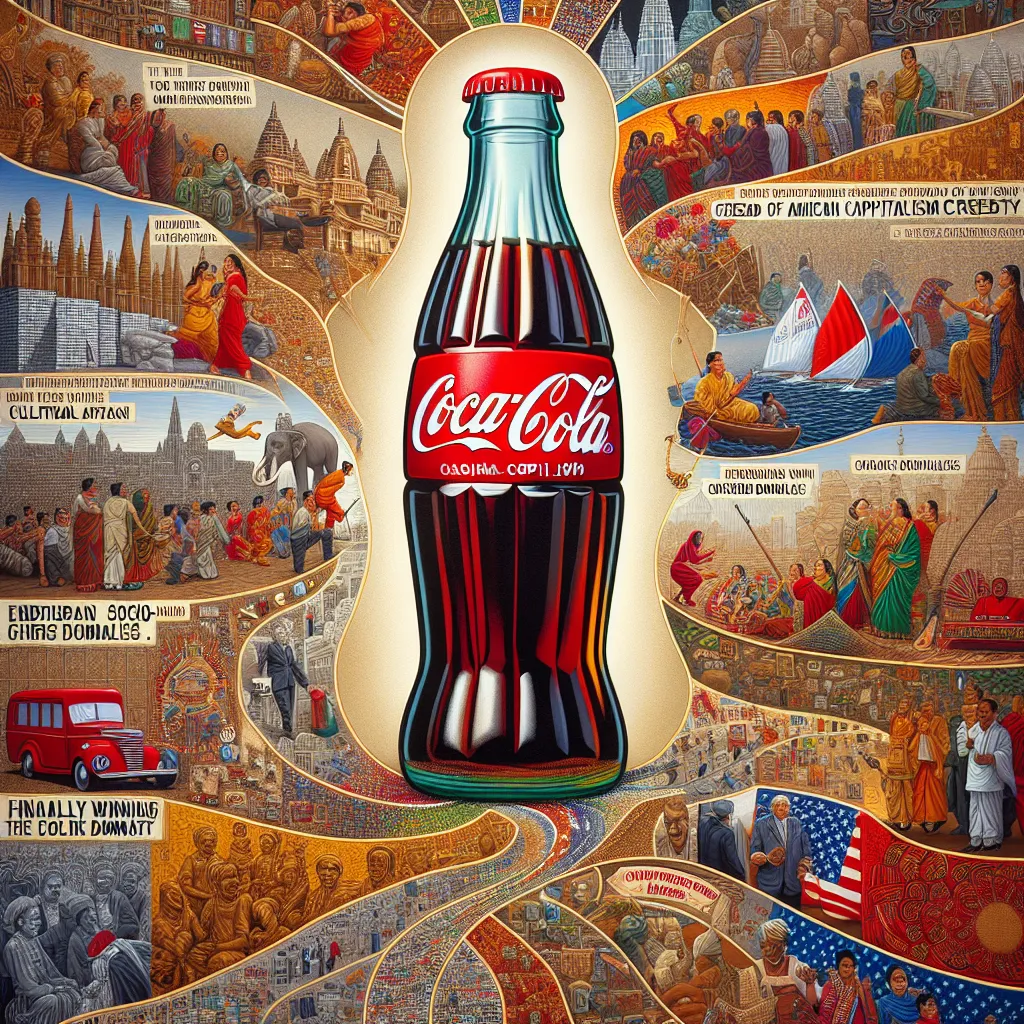
Coca Cola is often seen as a symbol of American capitalism in a bottle. Throughout the 20th century, as capitalism made its way across the globe, so did Coca Cola. Today, the only place you can’t get it is North Korea. However, its journey into some markets, like India, wasn’t a cakewalk. Let’s delve into how Coca Cola took almost 50 years to firmly establish itself in one of the world’s largest markets, India.
Coca Cola’s entry into India was marked by opportunism. India gained independence in 1947, and just three years later, Coca Cola had already set up a bottling plant in New Delhi. However, the Indian government at that time was inclined towards socialism, which meant bolstering local industries over foreign companies. Coca Cola had no friends in the government, but this did not deter the company. They aimed to embed themselves in Indian society before the government could catch on. The company made its move while India was occupied with bigger issues, like post-independence conflicts.
Their timing couldn’t have been better. Coca Cola managed to establish a distribution network across the country while its competitor, Pepsi, was denied market entry. However, Coca Cola’s initial success came with backlash. Many Indian politicians criticized the brand, pointing out that while a small percentage of villages had clean drinking water, a much larger number had access to Coca Cola. The rising anti-American sentiment and socialist preferences made Coca Cola more of a target, especially as socio-political climates worsened in the 1970s.
During the turbulent mid-1970s, with Indira Gandhi’s nearly dictatorial control and escalating civil unrest, the government enforced new laws restricting foreign ownership of businesses to 40%. Coca Cola was required to share its secret recipe and produce locally, something the company wasn’t willing to do. Consequently, Coca Cola exited India in 1977, along with other American firms. This exit left a significant void in the market.
Local brands swiftly occupied the space left by Coca Cola. The government even introduced its own cola brand called Double Seven to mark the period’s end. But the story didn’t end there. When economic liberalization began in 1991, Coca Cola seized the opportunity to re-enter the Indian market. By 1993, they returned, buying out the most popular local brands that had flourished during their absence. This gave Coca Cola an immediate 50% market share, positioning them back at the top.
From there, Coca Cola’s dominance only grew. Today, their market share stands at over 60%, with Pepsi being the only significant competitor, holding around 35%. Despite substantial political resistance over decades, Coca Cola ultimately conquered the Indian market, showcasing a robust example of business resilience and strategy.
Coca Cola’s saga in India is a testament to the power of perseverance and strategic re-entry, a true power move in the global market.