The waves of history are often shaped by struggles for power, autonomy, and human rights. In examining the colonial resistance movements that have markedly reshaped global politics, we can glean insights into how ordinary people, when galvanized by courage and a sense of justice, can fundamentally alter their destinies and those of their nations. Let’s explore five pivotal movements: the American Revolution, Haiti’s Revolution, the Indian Independence Movement, Vietnam’s resistance, and Kenya’s Mau Mau Uprising.
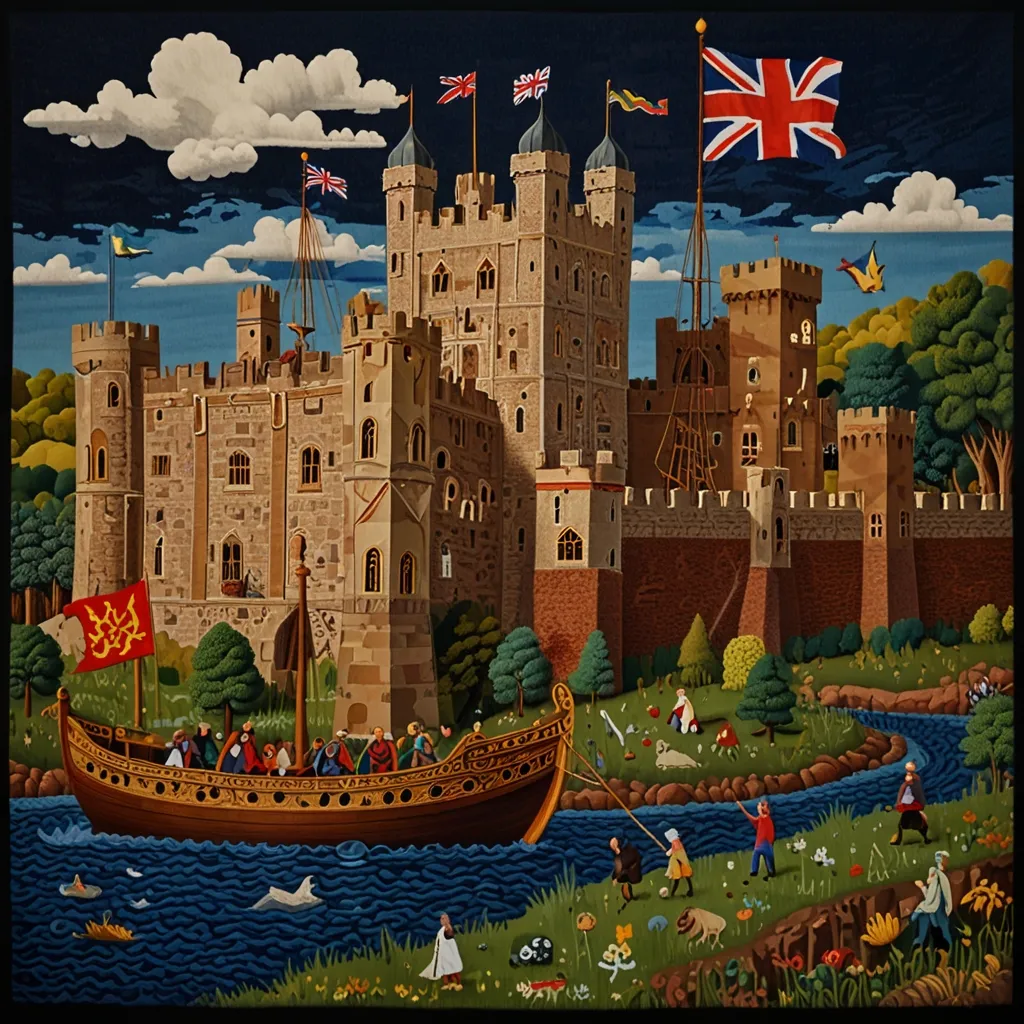
The American Revolution stands as a classic case of an oppressed populace standing against a colonial power. By declaring independence in 1776, the colonies challenged not merely British rule, but the very idea of monarchy as a legitimate form of government. It’s important to recognize that this movement laid a template for anti-colonial struggles that resonated across continents. The colonists employed asymmetrical warfare tactics, leveraging their intimate knowledge of the terrain against a conventional military force. This approach validated the belief that a determined populace could prevail against even the world’s mightiest empire.
As Thomas Jefferson once said, “The tree of liberty must be refreshed from time to time with the blood of patriots and tyrants.” The American victory inspired countless others—how was it that ordinary people could rise up and claim their rights?
Fast forward to the Caribbean, and we encounter the remarkable story of Haiti’s Revolution. From 1791 to 1804, enslaved Africans in the French colony of Saint-Domingue orchestrated the most successful slave uprising in history. Here, they not only sought freedom from bondage but also established the world’s first Black republic—Haiti. This revolutionary act demolished the prevailing racial hierarchies and laid the groundwork for abolitionist movements worldwide. It’s fascinating to think about the implications this had on global consciousness regarding race and freedom.
Imagine the fear this revolution instilled in slaveholders across the Americas as they grappled with the reality that their control was not absolute. The Haitian Revolution was a powerful statement that not only declared independence but also set a precedent for equality. As one contemporary observer noted, “In overthrowing me, you have cut down the tree of liberty, and it will never bear fruit again.” This sentiment perhaps reflects the dread that pervaded the minds of those who benefited from oppression.
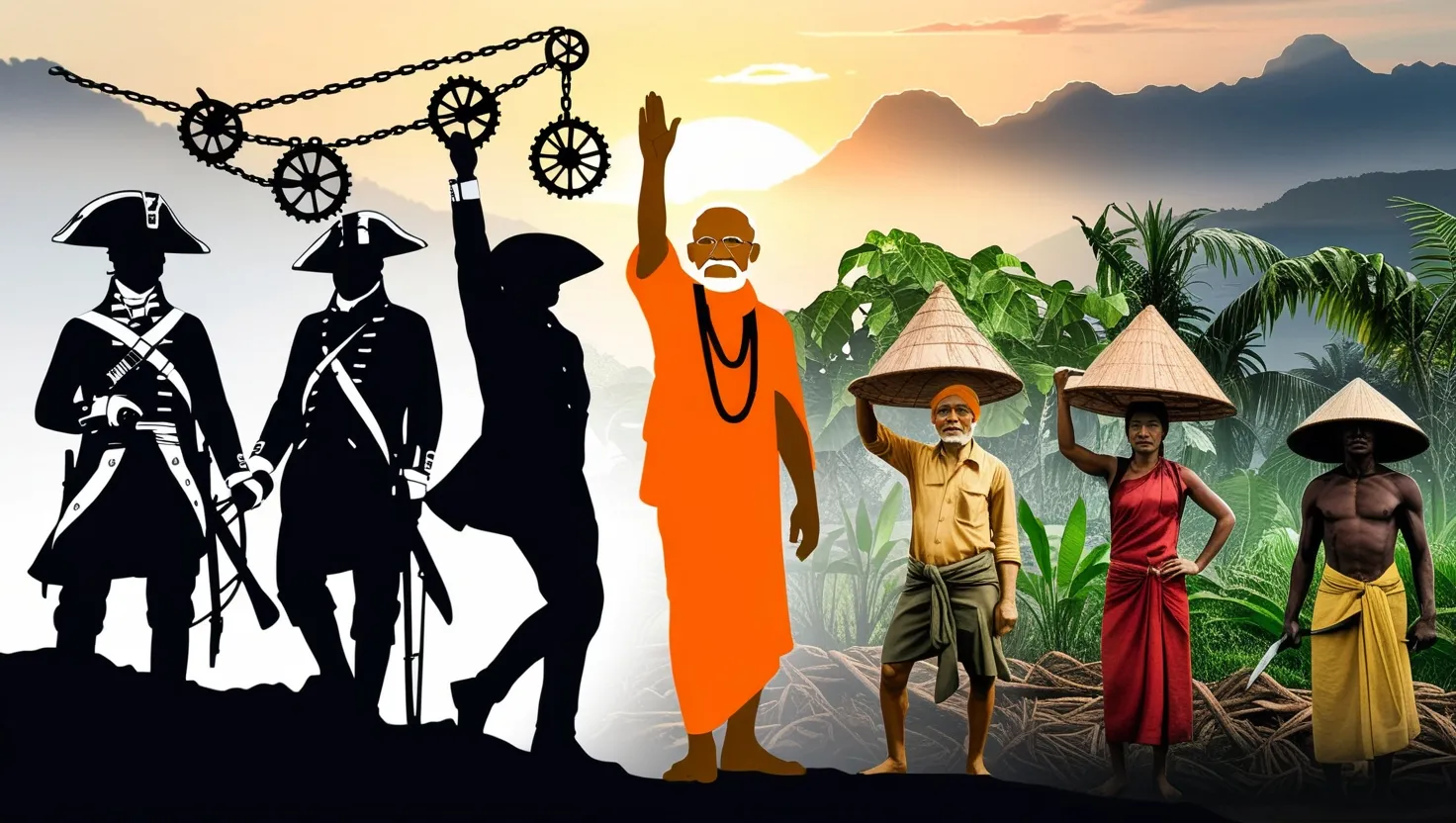
Next, we transition to the Indian Independence Movement, a beacon of non-violent resistance led by Mahatma Gandhi. His philosophy, rooted in civil disobedience and non-violent protest, revolutionized the approach to colonial resistance. Gandhi’s campaigns against British rule showcased that moral appeals could be as powerful as military might. This approach influenced civil rights movements around the globe, inspiring leaders such as Martin Luther King Jr. and Nelson Mandela.
When Gandhi famously stated, “You must be the change you wish to see in the world,” he invited people to envision a different reality. His belief in non-violence was not merely a strategy; it was a profound ethical stance that demanded personal commitment. How many of us today could envision employing such strategies in our fights against perceived injustices?
In Vietnam, another form of resistance emerged that combined nationalist fervor with guerrilla warfare. The Vietnamese fought against both French colonial rule and later American intervention, showcasing how a determined populace could harness strategic creativity to overcome superior military forces. The Vietnam War ultimately led to a reassessment of military doctrine around the world, reshaping policies regarding asymmetric warfare.
Ho Chi Minh’s declaration that “Nothing is more precious than independence and freedom” resonates deeply as it encapsulates the aspirations of the Vietnamese people to self-govern. This struggle not only led to Vietnam’s independence but also reverberated through other movements, encouraging anti-colonial sentiments globally. Doesn’t it make you ponder how resistance transcends borders and inspires commonality in human struggle?
Finally, let’s examine the Mau Mau Uprising in Kenya, which displayed the brutal realities of colonial rule and the lengths to which people would go to reclaim their land and dignity. Despite suppression and violence, the Mau Mau’s fight against British colonialism catalyzed a wave of decolonization across Africa. The Uprising exposed the violent underbelly of colonialism, drawing global attention and sympathy towards the cause of independence.
Jomo Kenyatta, a leading figure in the struggle, once said, “We must dare to think about unthinkable things because when things become unimaginable, thinking stops.” This spirit of perseverance and courage galvanized a movement that would ultimately lead to Kenya’s independence in 1963.
Resistance movements across these diverse contexts shared common threads: the assertion of human dignity, the rejection of oppression, and the pursuit of justice. Each movement adapted its strategies based on socio-political contexts, highlighting the evolution from conventional warfare to innovative approaches combining political organization, moral conviction, and the strategic application of force.
What stands out to me is how these resistance movements demonstrate the resilience of the human spirit against colonial subjugation. The legacies of these struggles continue to inform contemporary fights for justice and self-determination, encouraging new generations to rise against inequities.
In pondering the future, how can we draw from these historic examples to inform our actions today? Are we prepared to stand for justice in our spheres of influence, learning from those who came before us? What unthinkable movements might rise from the passions of individuals committed to creating change? The echoes of history remind us that the fight for freedom is timeless and universal, urging us to engage in the ongoing struggles for justice and equality in our world.