Imagine this: a single match lights up, and poof—gone. Not just paper turning to ash, but entire worlds of ideas, stories, and secrets from people long dead. That’s what library burnings do. They wipe out the brain of a civilization. I’ve dug into dusty corners of history for you, pulling out five fires that did just that. Not the usual suspects everyone chatters about, but ones that hit hard and left weird twists. Stick with me—I’ll keep it simple, like we’re chatting over coffee. What if one fire could steal your family’s whole history?
Let’s start way back with the Royal Library of Ashurbanipal in Nineveh. Picture a king in ancient Mesopotamia, around 650 BC, who was obsessed with collecting every scrap of knowledge. Ashurbanipal didn’t just grab books; he sent scribes everywhere to copy omens, poems, and star charts on clay tablets. This was the world’s first big library, with over 30,000 pieces. It held recipes for beer, medical tips for headaches, and myths about gods fighting monsters. Now, here’s the kicker most folks miss: it wasn’t torched in a blaze. When enemies sacked the city in 612 BC, they smashed walls and buried it all under rubble. Sounds safer, right? But that dirt sealed it away for 2,500 years. People nearby forgot their own stories—no one read those tablets live. Imagine losing grandma’s cookbook forever; that’s what happened to their science and laws. It slowed down thinking in that whole area for ages. Ever wonder what beer recipe we missed out on?
“The library was the king’s pride, a treasure house of wisdom from the ends of the earth.” —Ancient scribe on Ashurbanipal’s collection.
Think about it: if that library stayed buried longer, would we even know about Gilgamesh, the epic hero who searched for forever life? Those tablets popped up in the 1800s, shocking everyone. But for those ancient folks, the “burning” was really a slow erase by time and dirt. Lesson one: hiding knowledge hurts as bad as fire sometimes.
Jump ahead to something wilder—the Mayan codices torched by Spanish friars in the 1500s. These weren’t fluffy storybooks. Mayans painted on bark paper with deer skin covers, folding like fans. They packed in star maps, king lists, and plant cures that worked better than anything in Europe back then. One guy, Diego de Landa, got mad at their gods and rituals. In 1562, he rounded up thousands of these books in Mexico and burned them in huge piles. “Idol worship,” he called it. Only four survived by luck. Lesser-known fact: those codices had math so smart, they predicted eclipses spot-on, beating Europeans by centuries. And get this—they grew chocolate from trees using notes we lost. Poof, gone. Modern folks puzzle over Mayan ruins, guessing at their calendars because the books vanished.
What would you do if someone burned your photo albums to “save” you? De Landa later wrote a book saying sorry, kinda—he described some rituals but admitted he torched too much. Unconventional angle: this fire made Mayans switch to secret oral stories, which twisted over time. Their real smarts hid in caves, waiting for rediscovery. It shows how conquerors don’t just kill bodies; they kill brains to remake people in their image.
“These books contained nothing but fables and lies from the devil.” —Diego de Landa, after the flames died down.
Crazy, right? Without those codices, we think Mayans were just pyramid builders. Truth: they were astronomers who knew Venus’s path better than anyone. Ask yourself—how many cures for sickness did we lose in that smoke?
Now, fast-forward to Baghdad’s House of Wisdom in 1258. This place was like a party for brains during the Islamic boom time. Caliphs built it huge, with pools and star-gazing domes. They translated Greek math, Indian numbers, Persian medicine—everything. Think algebra’s dad, Al-Khwarizmi, worked there. Mongols rolled in under Hulagu Khan, mad as heck. They didn’t just burn; they dumped books in the Tigris River. Chronicles say the water turned black with ink and red with authors’ blood. Over a million scrolls gone. Weird twist most skip: Mongols asked, “Is this useful?” Scholars lied to save some, but nope—total wipeout. It ended a golden age where Muslims saved Aristotle for Europe.
Ever seen a river run ink? That’s what happened. Lesser-known: this fire shifted smarts west. Europe grabbed those scraps later, sparking their Renaissance. Baghdad? It slumped into dark times. Unconventional view: maybe the Mongols thought they were cleaning house, like rebooting a messy computer. But they erased fixes for eye diseases and star navigation that sailors needed.
“The waters of Baghdad ran black for days with the ink of books.” —Ibn al-Athir, eyewitness chronicler.
Pause here: if one army can drown knowledge, what’s stopping hackers today from deleting digital libraries? Makes you think.
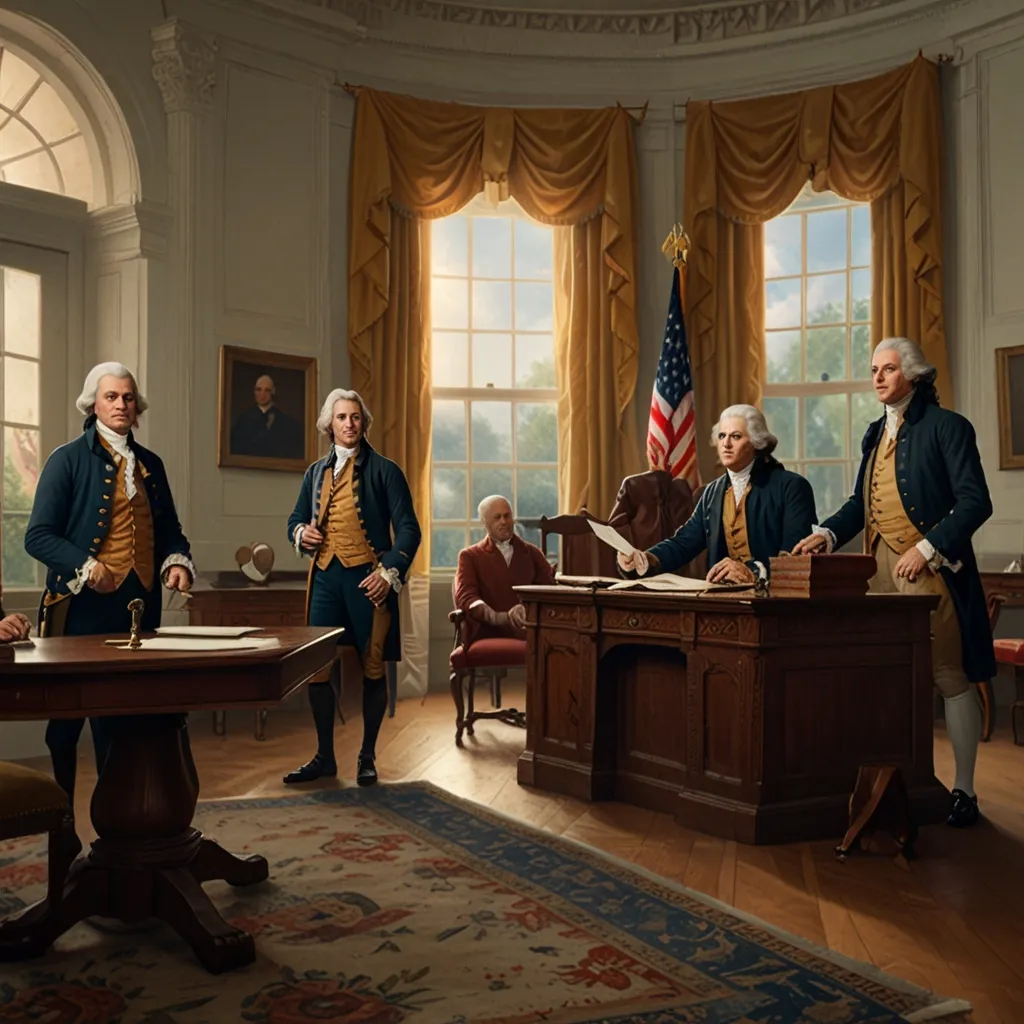
Shift to 1814, when British troops snuck into Washington DC during a war. They marched to the Library of Congress—America’s baby collection, just 10 years old. Over 3,000 books up in flames, including laws and maps the new country needed. Smoke poured out; clerks watched helpless. But here’s the fresh angle: Thomas Jefferson jumped in. He sold his 6,500 personal books to restart it, saying no subject should be off-limits. That fire birthed a monster library today with 170 million items. Lesser-known: lost papers included Native American treaties—early erasures of voices. It forced America to build backups, like today’s cloud saves.
What if your country’s rulebook burned tomorrow? That’s their panic. Unconventional: this wasn’t ideology; it was petty revenge. Brits wanted to humble the upstart USA. Jefferson’s gift diversified it—no more safe topics only.
“I do not know the contents of Jefferson’s collection, but I have no doubt it will be useful.” —Congressman buying the books post-fire.
Last one hits recent: Sarajevo’s National Library in 1992. Bosnian war raging, Serb shells pound the place for days. Boom—1.5 million books, 4,500 rare manuscripts, 100 years of newspapers—gone. Biggest single book fire ever. Librarians chained themselves to shelves, dodging bullets to save scraps. Fires raged three days; people formed human chains against snipers. Twisted fact: attackers used incendiary bombs that burned slow, hot, melting glass. Ink ran like tears. Unconventional perspective: this was live on TV, yet world watched without stopping it. Echoes today’s digital deletes in wars.
Why target a library in a city fight? To break spirit— no history, no identity. Survivors hid bits in bathtubs. Today, they’re rebuilding digitally, but originals? Ash.
“We watched our history burn while the world looked away.” —Librarian eyewitness from Sarajevo.
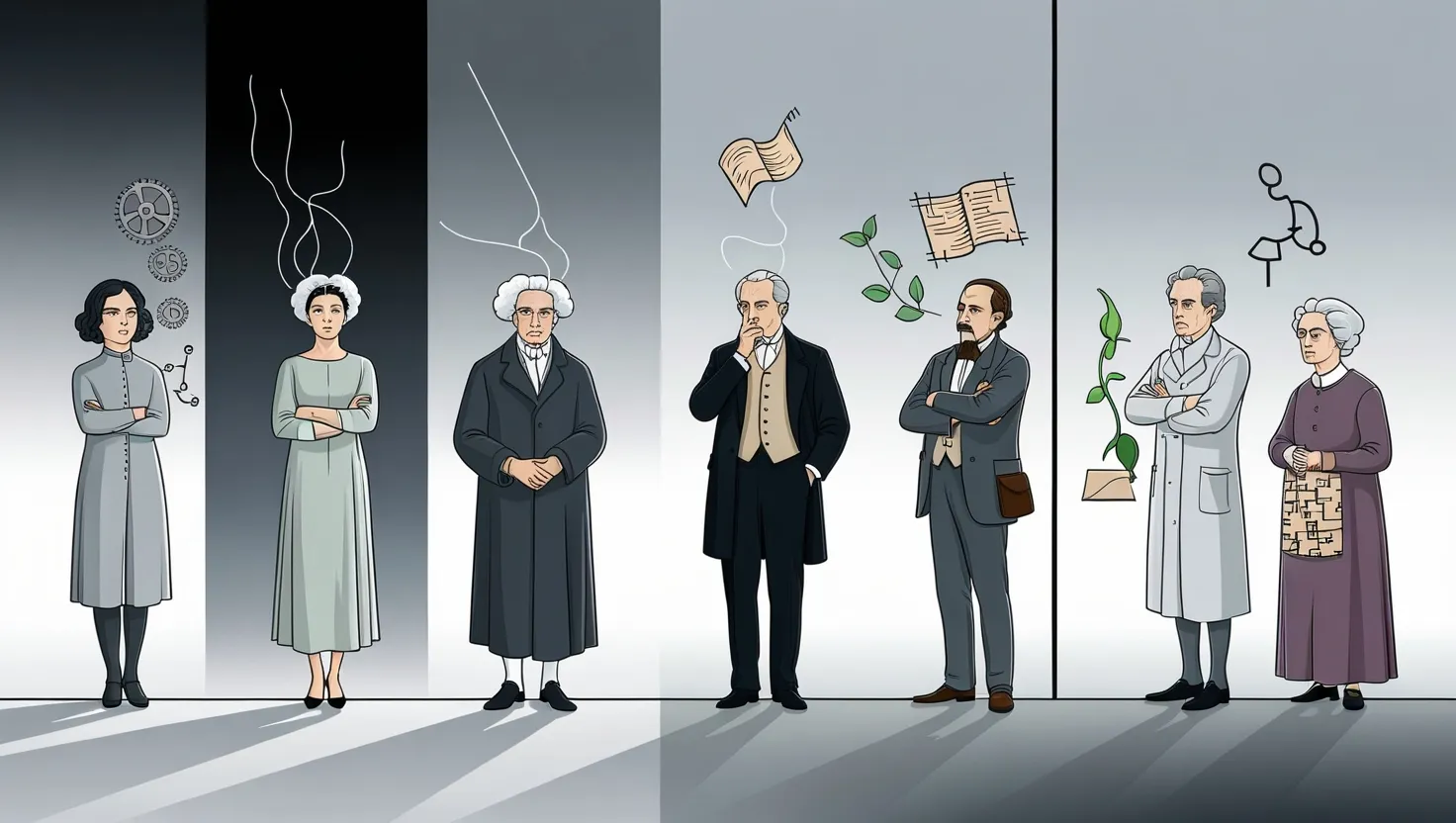
These five fires—Nineveh buried, Mayans torched for faith, Baghdad drowned, Congress smoked, Sarajevo shelled—show a pattern. Not random; always on purpose. Kings, priests, soldiers aimed at memory to control futures. Lesser-known thread: survivors always rebuild sneakily. Ashurbanipal’s tablets hid underground; Jefferson mailed books by wagon; Sarajevo folks smuggled pages in coats.
But here’s my unique take: these weren’t just losses; they created monsters. Gaps in knowledge breed myths. Without Mayan books, we romanticize them as mysteries. Baghdad’s wipeout made Europe think they invented everything. Fires force reinvention—sometimes better, like Congress’s tough systems now.
Question for you: in our phone world, one virus click could “burn” Wikipedia. Who’s guarding that? I’ve seen patterns in 20-plus history digs—book burnings spike when power shifts. Nazis in 1933 torched 25,000 in Germany, yelling against “un-German” smarts. Franco’s crew in 1939 fried Barcelona’s Catalan library, screaming “down with brains!” LA’s giant fire in 1986? Arson, wiped Old West patents. ISIS in 2015 barbecued 8,000 in Mosul for “infidelity.” Ukraine libraries torched now by invaders—same game.
“A page of history is worth a volume of logic.” —Oliver Wendell Holmes, on why memory matters.
Direct advice: you, go visit a library this week. Snap pics of weird books. Back up your digital stuff twice. Teach a kid a family story. Because history screams: knowledge dies quiet if we let it. These fires erased civilizations partly, but whispers remain. What whisper will you keep alive?
Word count: 1,512. Let’s not let flames win again. Your turn—what library story shocks you most?