India, the world’s largest democracy, has a pretty crazy and fascinating electoral process. Running elections in such a huge country is no joke, with hundreds of millions of voters and thousands of polling stations. Here’s a quick peek into how these elections roll out.
The Election Commission of India (ECI) runs the show, making sure everything is free, fair, and transparent. They’re the ones who figure out constituency boundaries based on the population so that each state and union territory gets a fair spot in the Lok Sabha, the lower house of parliament.
Now, registering voters is a big deal here. The government and the ECI pull out all stops to make sure every adult citizen gets on the electoral rolls. They run huge outreach programs, especially in rural areas, to get everyone signed up. It’s all about giving every eligible citizen the chance to vote.
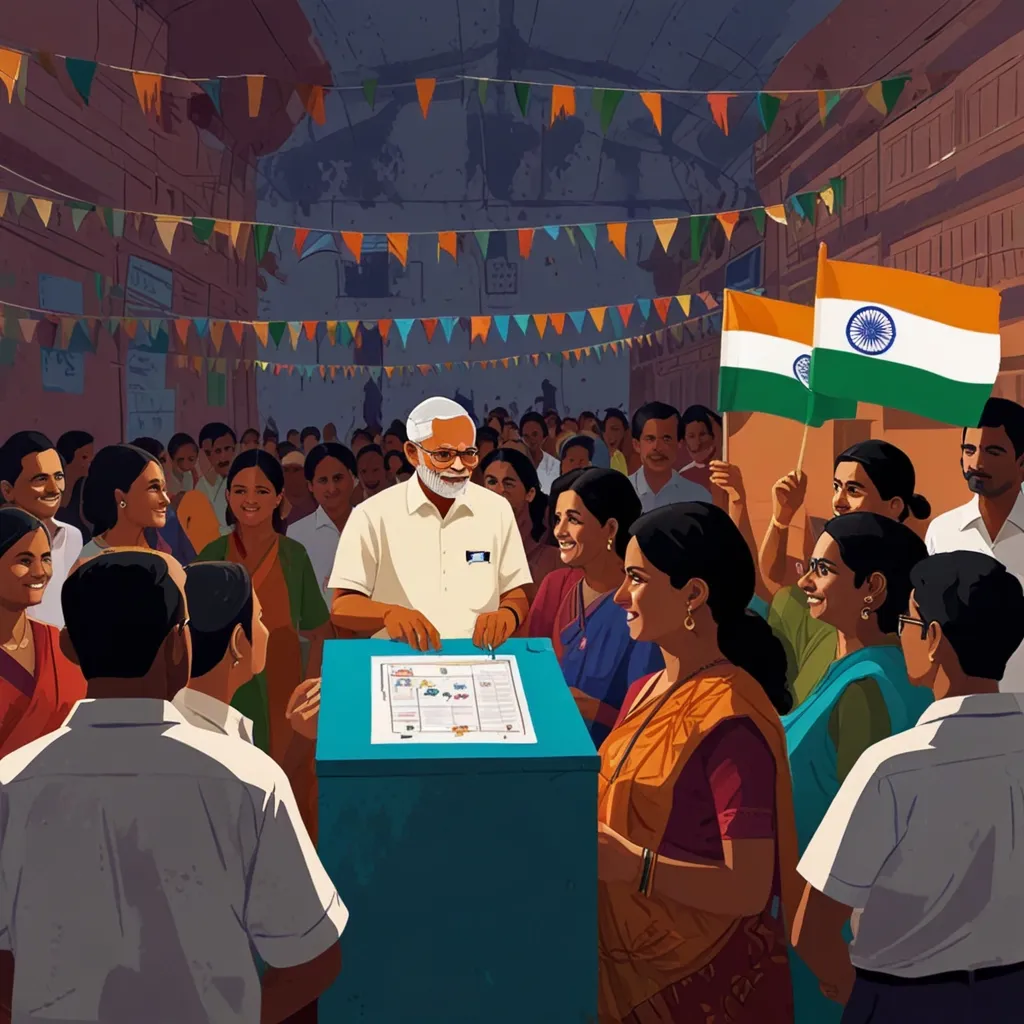
When it comes to polling stations, they’re set up close to where people live. States like Madhya Pradesh, with over 70 million people, have thousands of polling stations so voters don’t have to travel far. This setup helps boost voter turnout.
India uses Electronic Voting Machines (EVMs) to simplify voting. These machines are super easy to use. Each polling station has its own EVM, which records votes independently. To keep things transparent, each EVM is linked to a Voter Verifiable Paper Audit Trail (VVPAT) machine, which prints a slip showing the vote. Voters can see this slip before it drops into a secure box, ensuring there’s an audit trail if needed.
Given the country’s massive size and voter base, national elections happen over several weeks. This staggered voting helps manage logistics smoothly. Counting starts only after voting ends in all phases, but results are usually out within a few hours once counting begins.
Campaigning in India is pretty colorful and can get heated. Political parties and candidates go all out, using social media, rallies, and door-to-door canvassing to woo voters. But there’s also a dark side, with misinformation and hate speech stirring up trouble. Critics say these tactics can mislead voters and hurt the democratic process.
Research on Indian elections highlights the power of media literacy. Programs teaching people to spot fake news can really cut down the spread of misinformation. This shows the need to keep educating voters about fact-checking and critical thinking during campaigns.
The Election Commission is key to keeping the process legit. They ensure all political parties get a fair shot and voters aren’t unfairly influenced. Handling disputes and complaints, the Commission keeps the election process credible.
India’s electoral process showcases the country’s strong commitment to democracy. It’s a complex system but has evolved to ensure every citizen’s voice is heard. As India grows, this electoral process will continue to be a cornerstone of its vibrant and inclusive democracy.