What Made the Battle of Plassey a Game-Changer in Indian History?
Turning the Tide: The Battle That Ushered in British Rule in India
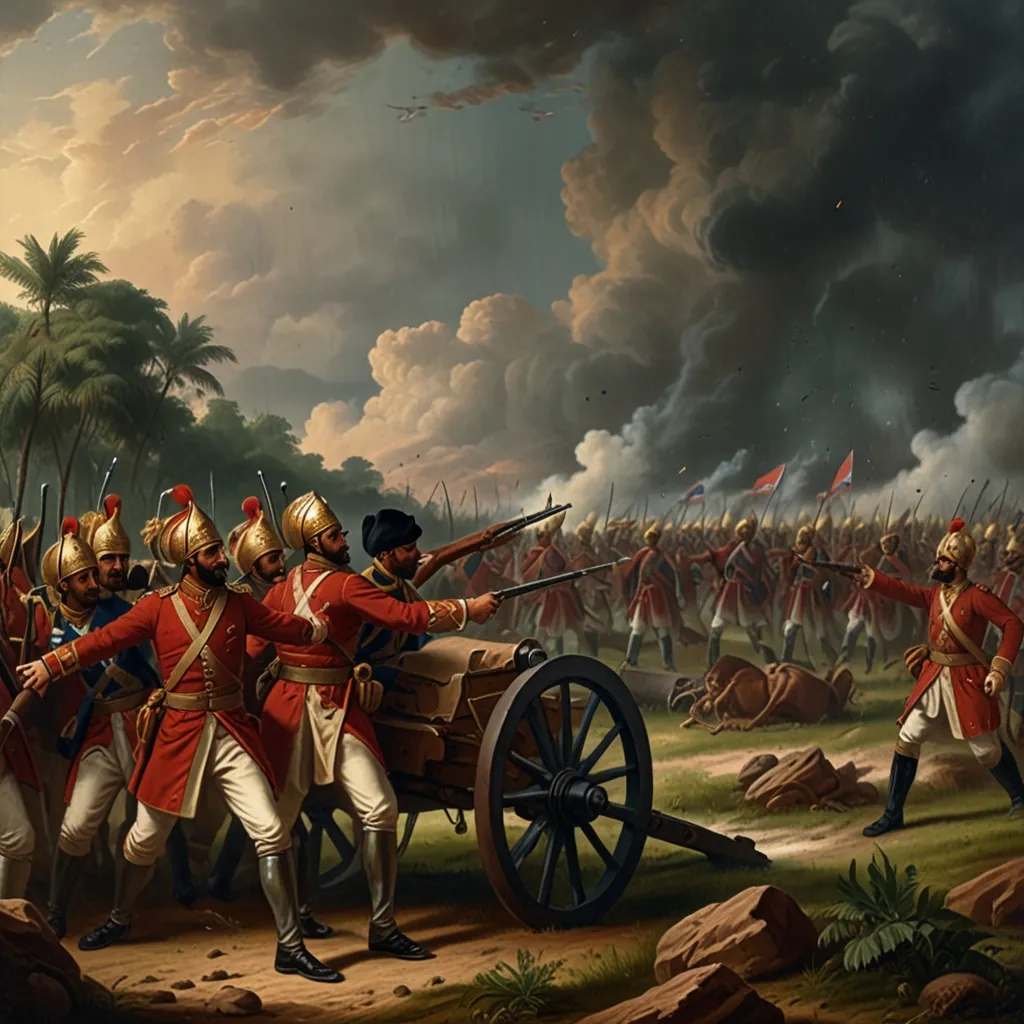
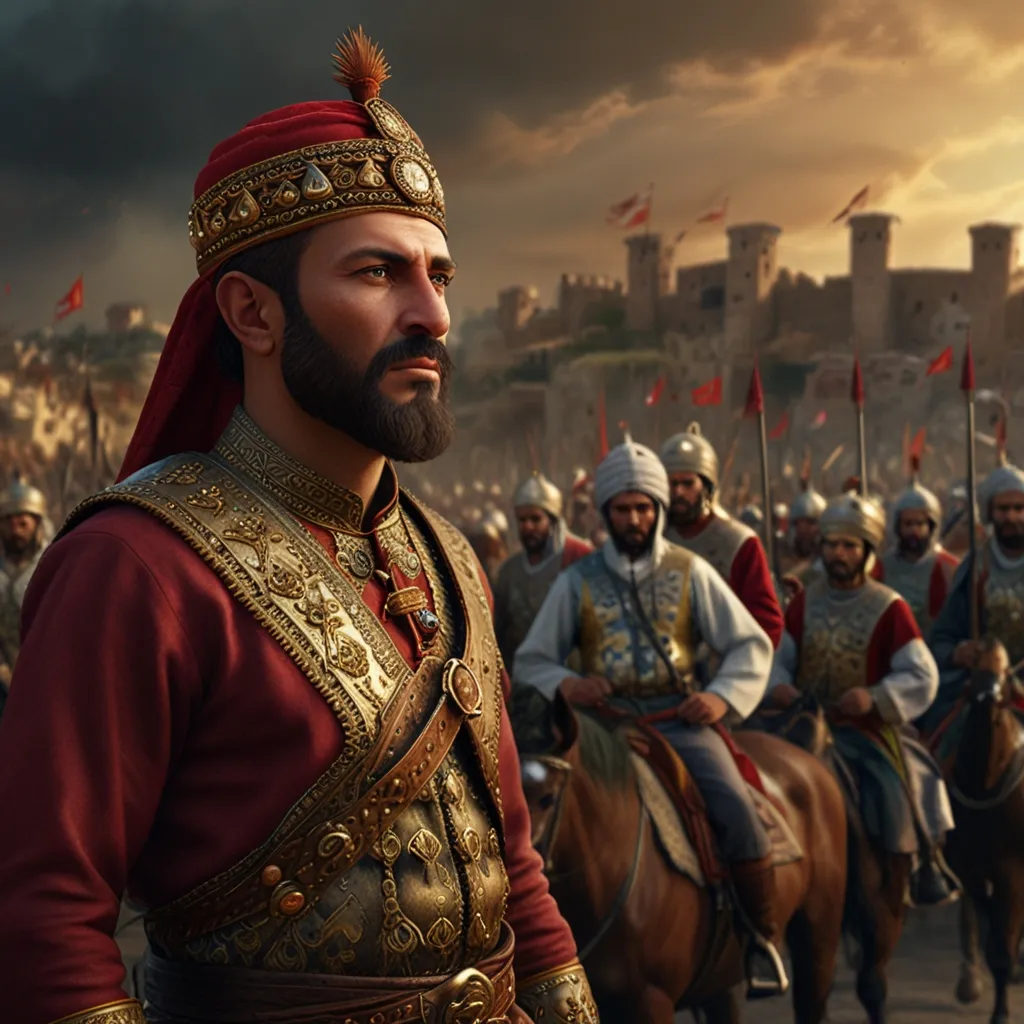
On June 23, 1757, a defining moment in Indian history unfolded with the Battle of Plassey. This encounter marked the dawn of British rule in India, catapulted by the British East India Company’s shocking win over Siraj-ud-Daulah, the last Nawab of Bengal, and his French allies. Palashi, near the Bhaghirathi River, was the battleground, but the impact of this clash rippled far beyond its immediate result.
For years, the British East India Company had been making inroads in India, leveraging trade and strategic alliances. But clashes with Siraj-ud-Daulah escalated when the Nawab demanded the British stop fortifying their settlements. Rejection led to his attack on Calcutta, infamous for the Black Hole of Calcutta incident, pushing the British to retaliate.
Enter Robert Clive, a sharp and ambitious commander dispatched from Madras. Clive wasn’t just about brute force; he played a political game too. He coaxed Mir Jafar, the Nawab’s army commander, with promises of a throne, clinching his betrayal. This move was decisive, as Mir Jafar’s sidelined troops weakened the Nawab’s defense.
The battle was swift and not excessively bloody. With about 3,000 troops, the British faced a daunting 50,000-strong Bengalese army. Despite being outnumbered, the British had advanced artillery and superior tactics. The game-changer was a surprise rainstorm that ruined the Bengali artillery while the British protected their gear with tarps. This allowed the British to strike decisively, sealing their victory.
Post-battle, the repercussions were huge. Siraj-ud-Daulah fled, and Mir Jafar became the new Nawab under British control, heralding British political and economic dominance. Over the next century, the East India Company tightened its grip, paving the way for British rule across the Indian subcontinent.
Politically, the win at Plassey sidelined the French East India Company and curtailed the Mughal Empire’s influence in Bengal. Economically, Bengal’s resources, especially textiles, were now at the British East India Company’s disposal, fueling the British Empire’s global expansion. However, this exploitation also sowed seeds of long-term economic and social challenges for India.
In essence, the Battle of Plassey wasn’t just a fight; it was a watershed moment that swung the power dynamics in favor of the British East India Company, setting the stage for nearly two centuries of British rule. This battle reshaped Indian history, leaving an enduring legacy that still resonates today.