Who Was Dr. B.R. Ambedkar and How Did He Shape Modern India?
A Renaissance Man Who Fought for Equality Against Caste and Gender Discrimination
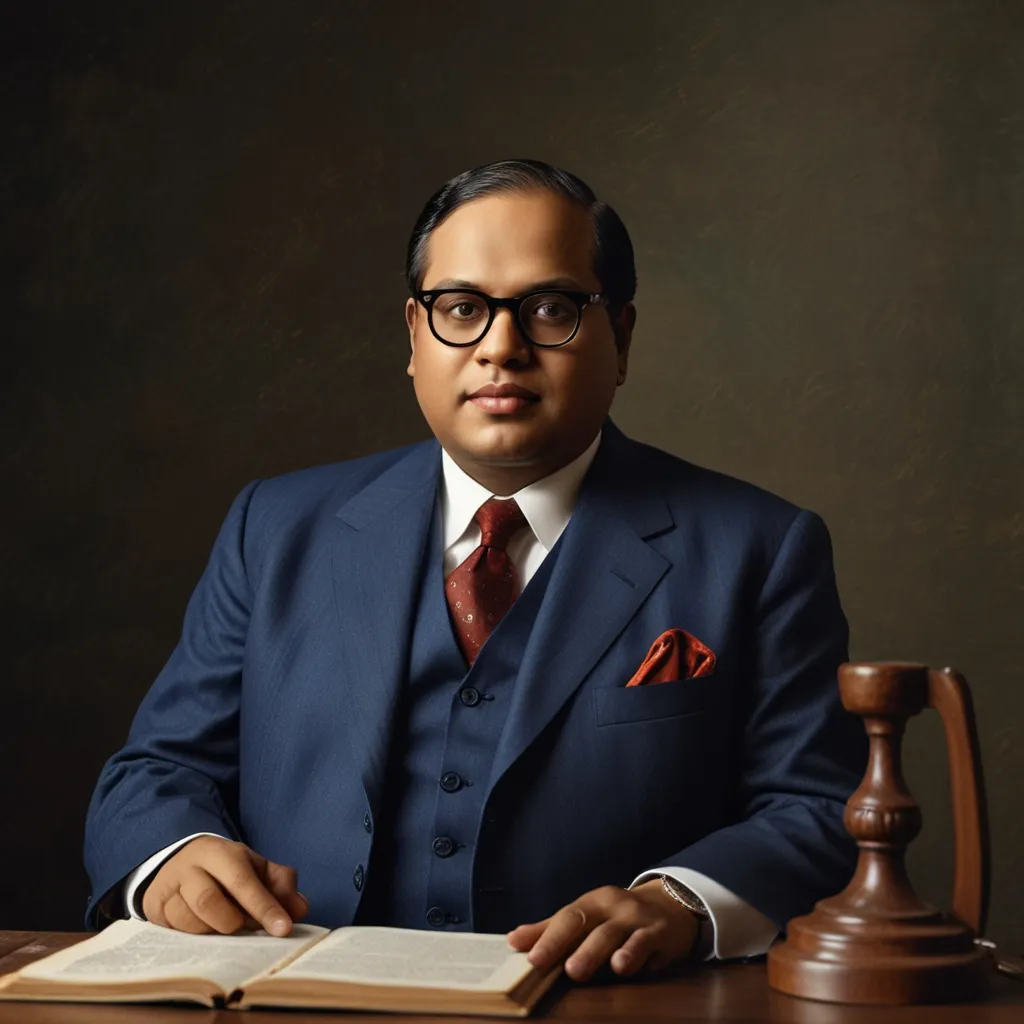
Dr. B.R. Ambedkar stands as a towering figure in Indian history, known for his dauntless fight against caste discrimination and his advocacy for the underrepresented. Born on April 14, 1891, in Mhow, India, Ambedkar’s life was marked by relentless struggle and unwavering perseverance. As a Dalit, he faced systemic humiliation but never wavered in his quest to uplift the marginalized.
Ambedkar’s academic journey was nothing short of extraordinary. He studied across the globe, from the USA to Britain and Germany, snagging degrees in economics, law, and political science. Columbia University played a pivotal role in shaping his thought, where he was guided by giants like John Dewey. These experiences sharpened his intellect, arming him with the tools to address the era’s pressing problems.
One of his monumental achievements was chairing the committee that drafted the Indian Constitution. He made sure the document enshrined the rights of all citizens, especially the Dalits. Adopted on January 26, 1950, this Constitution is a lasting tribute to his vision and legal prowess. Today, India observes this date as Republic Day, a national holiday.
Ambedkar’s crusade against caste discrimination set him apart. He vigorously opposed Mahatma Gandhi’s methods, arguing they fell short in tackling caste issues. With his personal experiences fuelling his activism, he led campaigns to open public spaces and temples to Dalits, pushing for true equality.
He strongly believed in education as a vehicle for social mobility and worked tirelessly to make it accessible to the underprivileged. Ambedkar’s efforts in this arena helped empower marginalized communities, breaking the shackles of ignorance and oppression.
Ambedkar was also a staunch proponent of gender equality. He recognized the severe injustices faced by women in Indian society and championed their rights. Although his Women’s Rights Bill didn’t pass during his stint as Law Minister, it set the stage for future feminist movements in India.
In economics, Ambedkar left a significant mark. He scrutinized the British imperial system’s negative impact on India and pushed for currency reforms and price stability. His work on labor laws and workers’ rights laid the foundation for a more just economic system, a vision that still influences Indian economic thought today.
Ambedkar’s influence wasn’t confined to Indian borders. His contributions as a critical thinker are celebrated worldwide, and Columbia University even honored him with a bronze bust—a testament to his lasting impact on global scholarship and social justice.
Later in life, disillusioned with Hinduism, Ambedkar converted to Buddhism in 1956, alongside hundreds of thousands of Dalits. This was another step in his enduring fight against caste discrimination and quest for social justice.
Dr. B.R. Ambedkar was a scholar, philosopher, and visionary. His life’s work still inspires millions, reminding us that education, equality, and justice are the bedrock of a fair society. His legacy is a guiding light for all those battling social injustice today.