Can Traditional and Modern Medicine Create the Ultimate Healing Duo?
Ancient Wisdom Meets Cutting-Edge Science for a Healthier World
The blend of traditional and modern medicine offers incredible advantages for our health and overall well-being. You might hear it called integrative medicine, and it essentially combines the best aspects of both traditional and modern practices to give a more rounded approach to healthcare. Let’s dive into how these two methods can work together seamlessly.
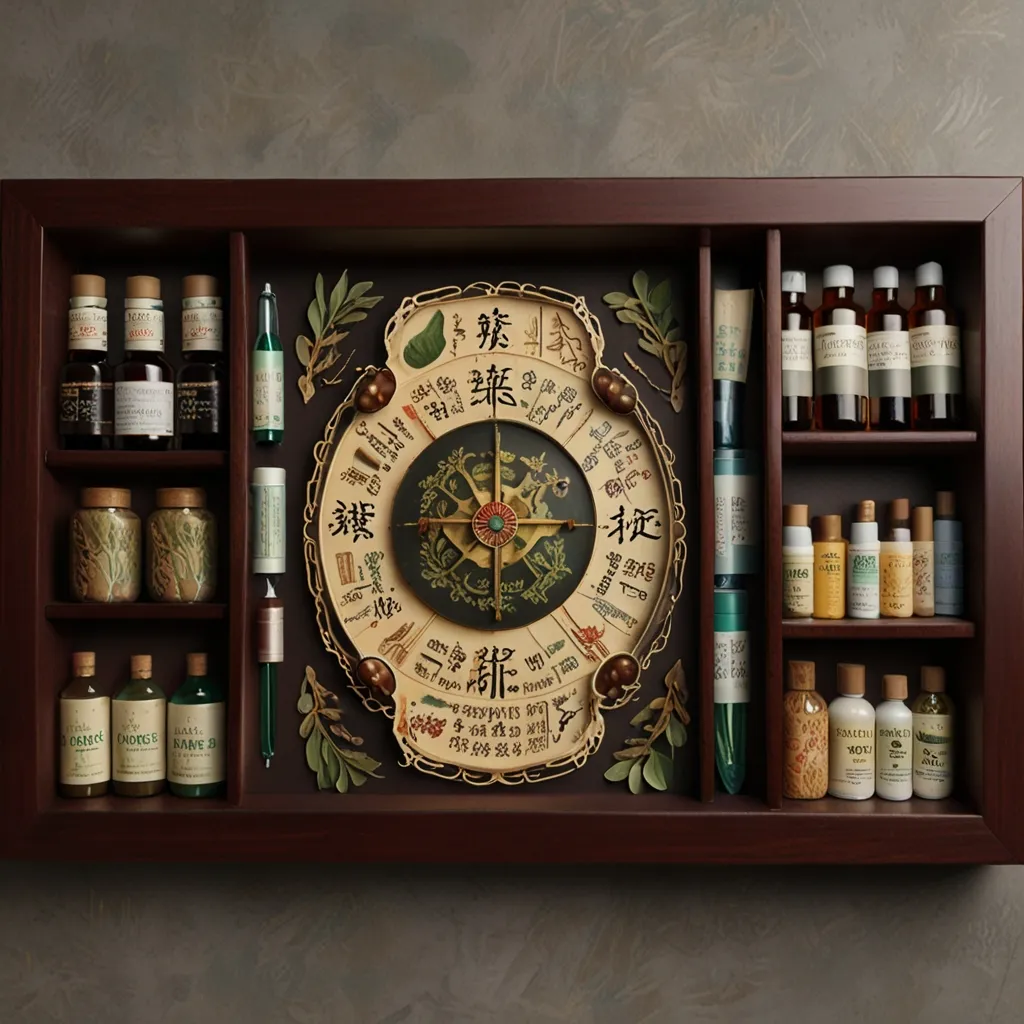
Traditional medicine has a lengthy history, stretching back thousands of years. Think about systems like acupuncture, herbal remedies, and homeopathy, which have roots in various cultures around the globe. These practices have been handed down through countless generations, proving their worth over time. Take traditional Chinese medicine, for example. It uses natural materials like minerals and plants to help maintain the body’s balance. Ayurveda, an age-old Indian system, is also key in the world of traditional medicine and often gets called “the mother of healing.”
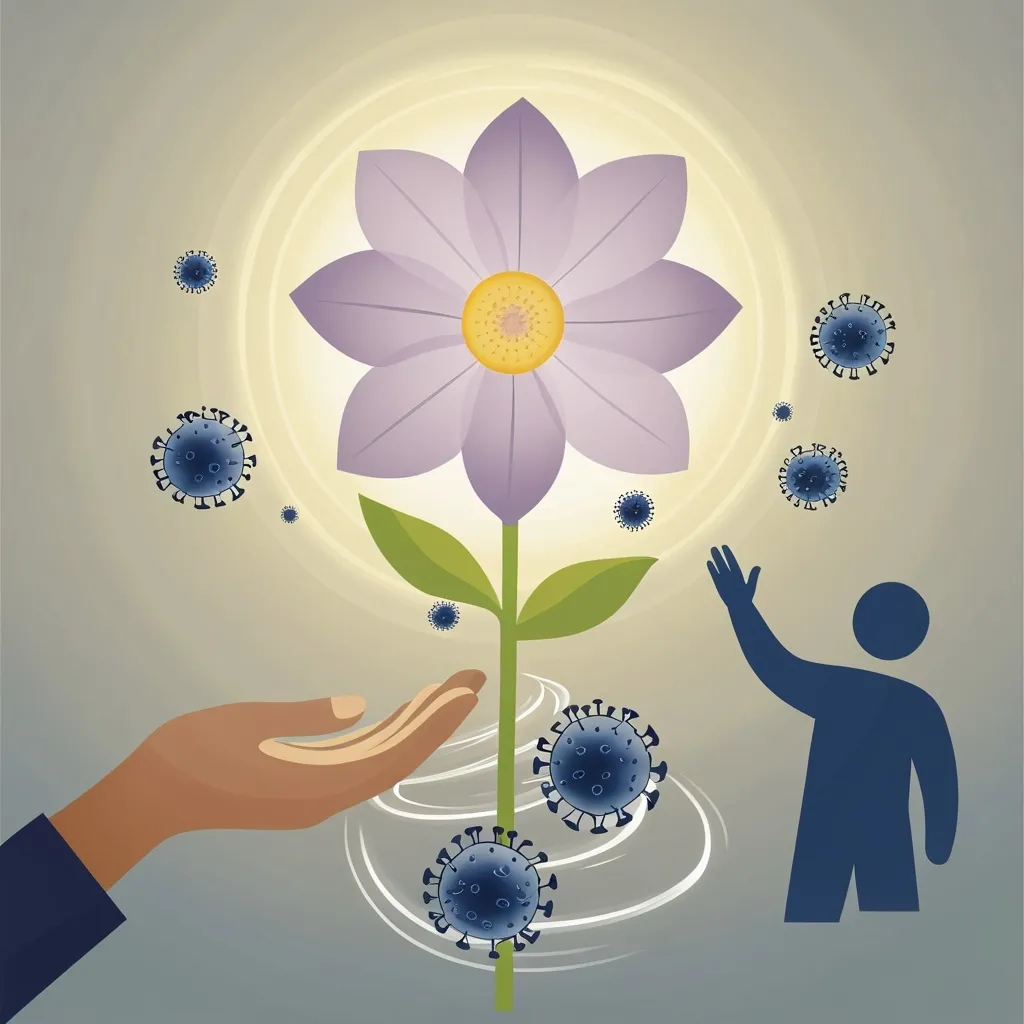
One huge upside of traditional medicine is its knack for tackling infections and viruses with success. Herbal remedies have been used for ages to treat fevers and other common ailments. Sometimes, traditional treatments outperform modern ones, especially with minor infections. This can be a big help in reducing antibiotic overuse, which is a serious issue due to growing antibiotic resistance.
Modern medicine, on the flip side, has totally changed the healthcare game with cutting-edge tech and scientific marvels. It’s added years to countless lives by providing treatments for diseases that used to be death sentences. Modern practices like cognitive therapy and rehab programs are also vital for mental health and recovery, offering practical strategies to support holistic health education.
When you mix traditional and modern medicine, they can enhance each other in amazing ways. Modern medicine can quickly handle acute conditions, while traditional medicine can provide lasting benefits by getting to the root of the problems. This balanced approach can lead to better patient outcomes and an improved quality of life over time.
Traditional medicine has even shaped modern science in significant ways. A lot of today’s pharmaceutical products have origins in natural sources inspired by traditional practices. A great example is artemisinin, derived from sweet wormwood, which is now a go-to treatment for malaria. Another example is willow bark, which ancient civilizations used for pain relief; it’s the base for aspirin.
Advancements in technology, like AI and fMRI, have furthered our exploration and understanding of traditional medicine. These tools help researchers delve into traditional medical practices, recognize patterns, and develop new medications. Methods like ethnopharmacology and reverse pharmacology take cues from age-old uses to discover clinically effective drugs.
Beyond the science, we can’t forget the cultural and social elements of traditional medicine. Traditional healers often provide holistic care that includes advice on nutrition, massage therapy, and acupuncture. These methods can help manage stress, boost mental well-being, and promote overall health.
However, mixing traditional and modern medicine isn’t without its challenges. Some traditional treatments might not mix well with pharmaceutical drugs, causing negative reactions. That’s why thorough research and discussing your options with healthcare professionals is crucial before combining these two forms of medicine.
The benefits of integrating traditional and modern medicine are huge. It’s an all-encompassing approach that can enhance patient outcomes, improve health, and boost well-being. By embracing the strengths of both worlds, we can create a more effective and holistic healthcare system. This way, the best features of ancient and contemporary practices come together, providing a comprehensive way to address health issues and promote a better quality of life.