Curious if Your Lifestyle Could Be Fueling Chronic Inflammation?
Taming Inflammation: A Creative Approach to Diet, Lifestyle, and Long-Term Health
Inflammation is your body’s natural way of tackling injuries or infections. Think of it as your defense team. But if inflammation hangs around too long, it can cause problems like heart disease, diabetes, and cancer. Luckily, you can calm things down with a few tweaks to your diet and lifestyle. Let’s dive into it.
Inflammation kicks in to protect you from harmful stuff, like bacteria and viruses. It’s your body’s way of healing. But when it sticks around for months or years, it can mess things up big time, leading to various health issues.
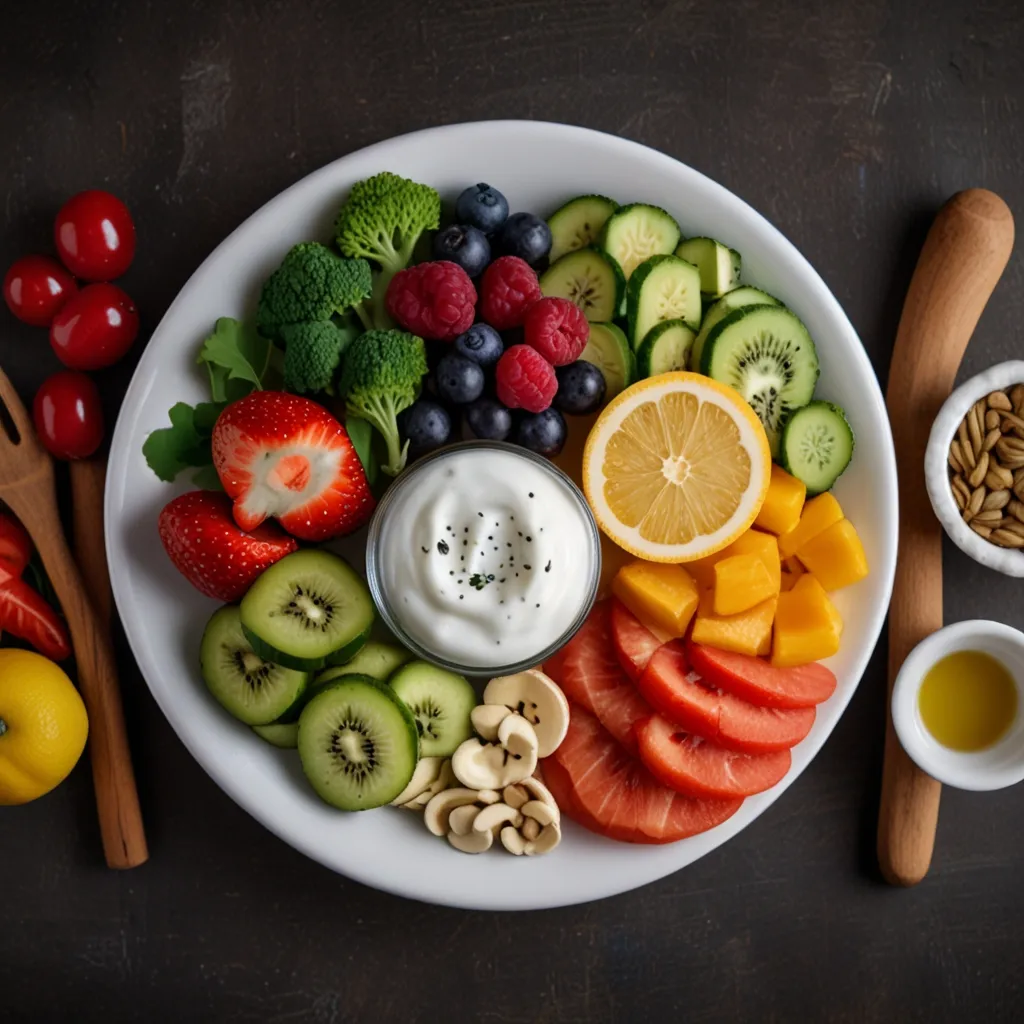
What you eat plays a huge part in this. Load up on fruits and veggies. Aim for at least six servings a day in a rainbow of colors because different colors pack different nutrients. Blueberries and strawberries, for instance, are antioxidant powerhouses that fight inflammation.
Another smart move is opting for high-fiber carbs like brown rice, whole wheat bread, and oats. Fiber is gold for your gut and your overall well-being. It keeps your digestive system in check and can even lower cholesterol.
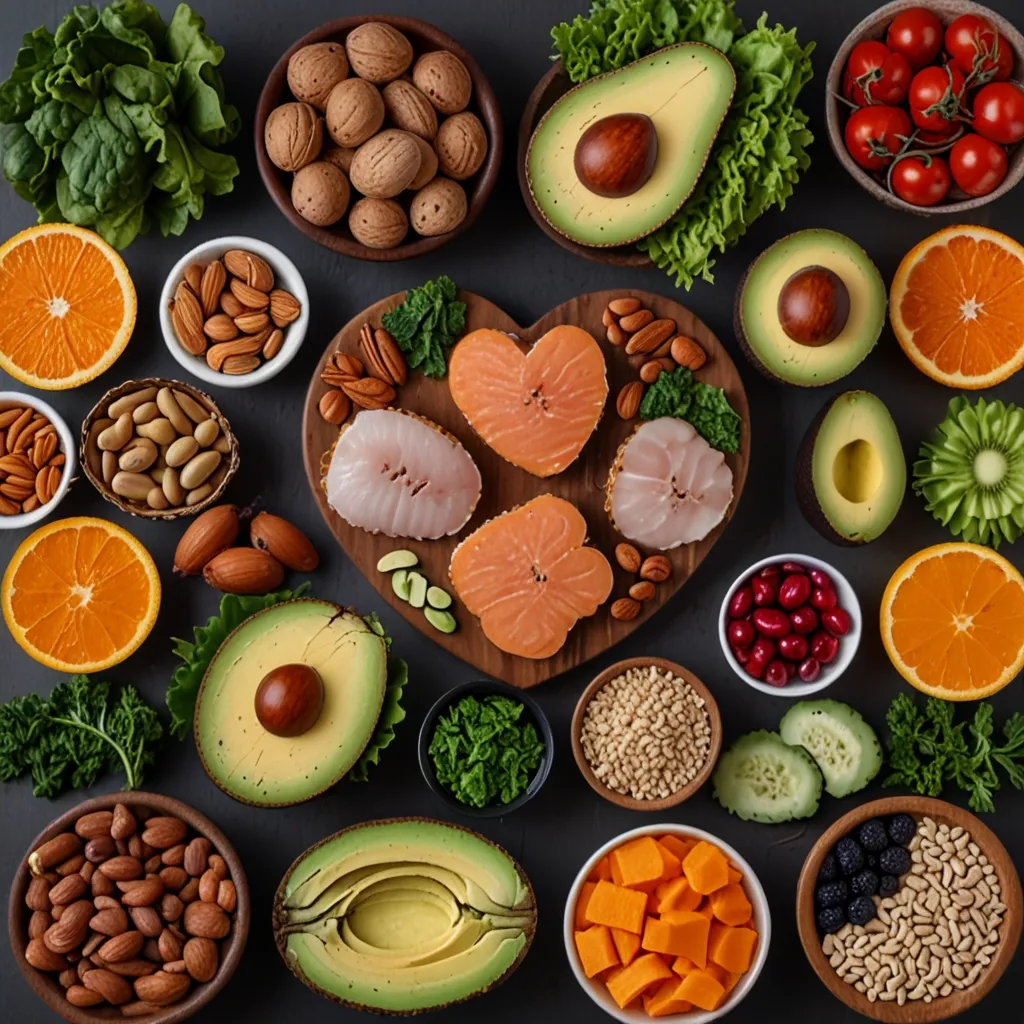
Certain foods are like superheroes against inflammation. Fatty fish like salmon and tuna are brimming with omega-3 fatty acids, which are super effective at reducing inflammation. Nuts and seeds like walnuts and flaxseeds are also great sources of omega-3s. Don’t forget about olive oil, garlic, and turmeric – they’re anti-inflammatory champs too.
But beware of the baddies – foods that can stoke inflammation. Red meat, processed meats, and trans fats are best kept to a minimum. Fried foods, sodas, and refined carbs like white bread and sugary snacks can also be culprits.
Changing your diet is just one part of the puzzle. Regular exercise is crucial. Try to get in at least 30 minutes of aerobic exercise and 10 minutes of weight training, four to five times a week. Exercising gets your blood pumping, boosts your immune system, and brings stress levels down.
Speaking of stress, it can really fuel inflammation. Finding ways to relax, like meditating, doing yoga, or practicing deep breathing exercises, can do wonders. These activities help manage stress and improve overall well-being.
Sleep is like a reset button for your body. Aim for 7-8 hours of sleep each night. When you’re sleep-deprived, inflammatory markers can shoot up. So, prioritize rest to give your body the time it needs to heal and repair.
Your gut health is also tied to inflammation. Include probiotics in your diet from foods like yogurt, kefir, and fermented veggies. A healthy gut microbiome means better digestion and a lower risk of chronic diseases.
Consistency is everything. It’s not about flipping a switch overnight but making small, steady changes. Start with one or two anti-inflammatory foods or practices and build from there.
In the long run, staying committed to an anti-inflammatory lifestyle can pay off big time. It lowers the risk of heart disease, certain cancers, and cognitive decline. Plus, it boosts overall health and quality of life.
So, take control today by making thoughtful food choices, staying active, managing stress, sleeping well, and caring for your gut. These steps can significantly cool down chronic inflammation and enhance your health. Embrace the changes and watch your body thank you.