Surviving Chickenpox: Navigating the Itchy Nightmare and Staying Safe
How Chickenpox Drags You into a Web of Blisters and Misery
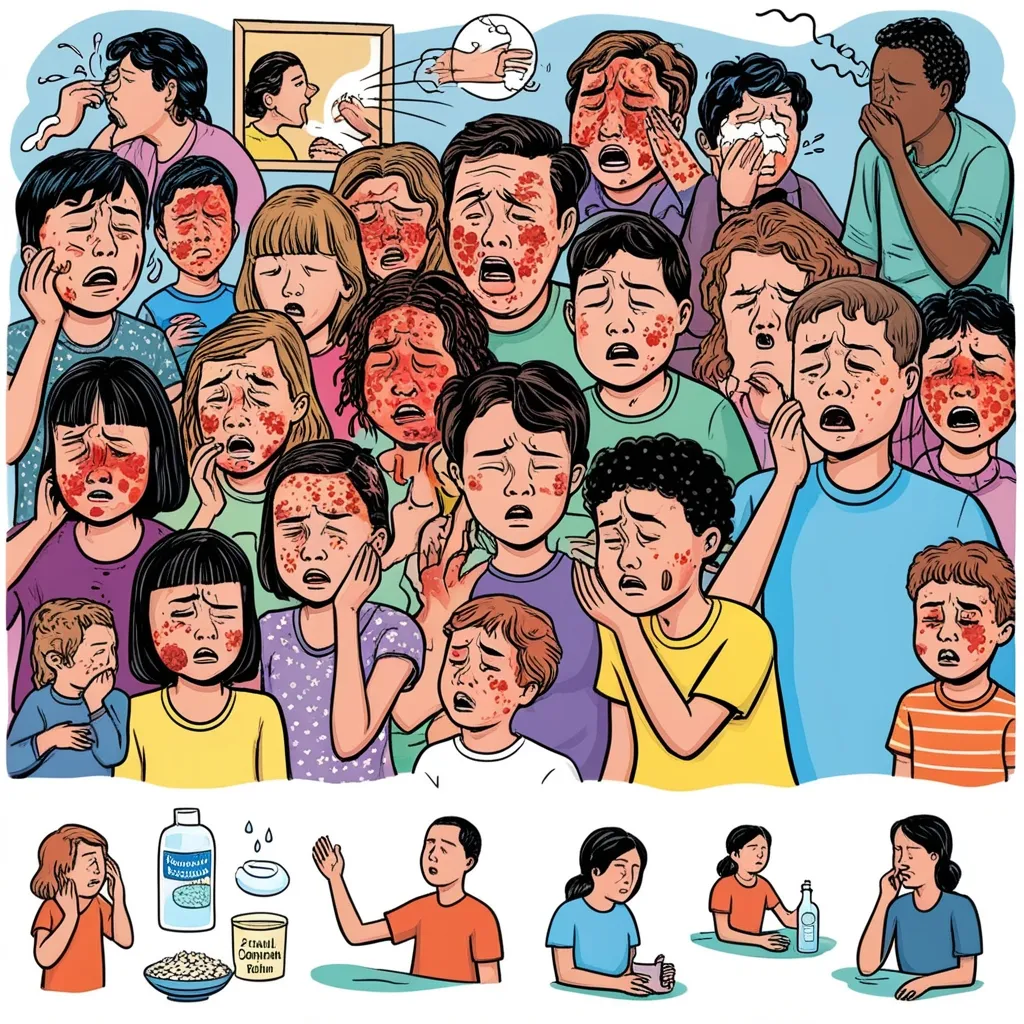
Chickenpox can be a real nightmare, right? It’s one of those childhood illnesses that nobody likes to deal with but seems to lurk around every corner. Caused by the varicella-zoster virus, it’s super contagious and loves to attack those who haven’t been vaccinated or haven’t had it before. Kids are usually the targets, but don’t be fooled—a good number of adults get caught in its web too.
So, let’s break it down. How does this pesky virus spread? Imagine someone with chickenpox sneezing or coughing near you. That’s one way. Or, if you touch the fluid from their blisters, bam, you’re at risk. The thing is, it doesn’t hit you immediately. Symptoms can take anywhere from 10 to 21 days to show up after exposure, so you might already have it before realizing it.
Speaking of symptoms, the first clue is usually a nasty skin rash that’s impossible to ignore. It starts on the chest, back, and face but eventually makes its way all over your body. At first, you see these raised bumps called papules. Next, those papules turn into tiny, itchy blisters filled with fluid—these are known as vesicles. When they break, they form crusts and scabs, and together these various stages make you feel like a walking, itchy disaster.
The rash is just the tip of the iceberg. Fever, headaches, loss of appetite, and a general feeling of being unwell often appear a day or two before the rash. And let’s be honest, feeling like you’ve been steamrolled isn’t fun for anyone.
Who’s in the hot seat for getting a severe case? Well, anyone unvaccinated is a potential target. But certain folks are at higher risk, like newborns, pregnant women, teenagers, adults, and those with weak immune systems due to conditions like HIV or cancer, or those on immunosuppressive meds. For these groups, chickenpox isn’t just a pain; it can get really serious.
Now, there’s no magic pill to make chickenpox vanish, but there are ways to tackle the symptoms. Antiviral medicines are an option, especially if you’re at a higher risk of complications, and they work best if taken as soon as possible after the rash shows up.
Home remedies can be lifesavers for managing discomfort. Taking a lukewarm bath with colloidal oatmeal or baking soda can work wonders. Calamine lotion and oral antihistamines are also good friends when it comes to soothing that infernal itch. Hydration is key too, so drink plenty of fluids and go easy on hard, spicy, or salty foods that can irritate your mouth. And let’s not forget rest; your body needs it to heal.
Scratching that itch might feel like sweet relief, but it’s a surefire way to invite skin infections and scarring. Keeping cool by using a wet cloth on itchy spots can help. And isolating yourself until those blisters crust over is important to prevent spreading it to others. No one wants to be the source of a chickenpox outbreak.
While most kids bounce back from chickenpox without much hassle, complications can happen, and they’re no joke. We’re talking about bacterial infections, dehydration, pneumonia, brain swelling (encephalitis), and even toxic shock syndrome. In very rare cases, chickenpox can be fatal.
Even after you’ve survived the ordeal, the varicella-zoster virus likes to stick around, chilling out in your nerve cells. Years later, it can reactivate and cause shingles, another painful rash. There’s a vaccine to prevent shingles that’s recommended for folks 50 and older or those with weakened immunity.
Prevention is the name of the game, and the chickenpox vaccine is a rockstar at it. If you get the jab, your chances of getting chickenpox drop drastically. Even if you do catch it after being vaccinated, the symptoms will be much milder.
Skipping the vaccine and opting for old-fashioned “chickenpox parties” is a terrible idea. Exposing kids intentionally puts them at risk for serious complications. It’s like playing a risky game with no guarantees. Vaccination is safer and way more effective, hands down.
The million-dollar question: When should you see a doctor? If the rash starts spreading to your eyes, becomes intensely painful, or if symptoms like dizziness, fast heartbeat, breathing issues, or severe vomiting appear, you need medical attention—stat. It’s also crucial to keep an eye on vulnerable individuals at home, like the unvaccinated or those with compromised immune systems, and inform your healthcare provider about your situation.
Here’s the bottom line: Chickenpox is no fun, but understanding the symptoms, who’s at risk, and how to manage the disease can make a world of difference. Staying informed and taking the right preventive measures ensures the best outcome, especially for those who are particularly vulnerable to the virus’s nasty tricks.