5 Religious Leadership Models That Transform Modern Authority and Decision-Making
Discover how Buddhist, Islamic, Confucian, indigenous, and Protestant leadership models offer timeless wisdom for modern leaders. Learn practical insights from religious governance systems to lead with wisdom, accountability, and purpose. Explore leadership lessons now.
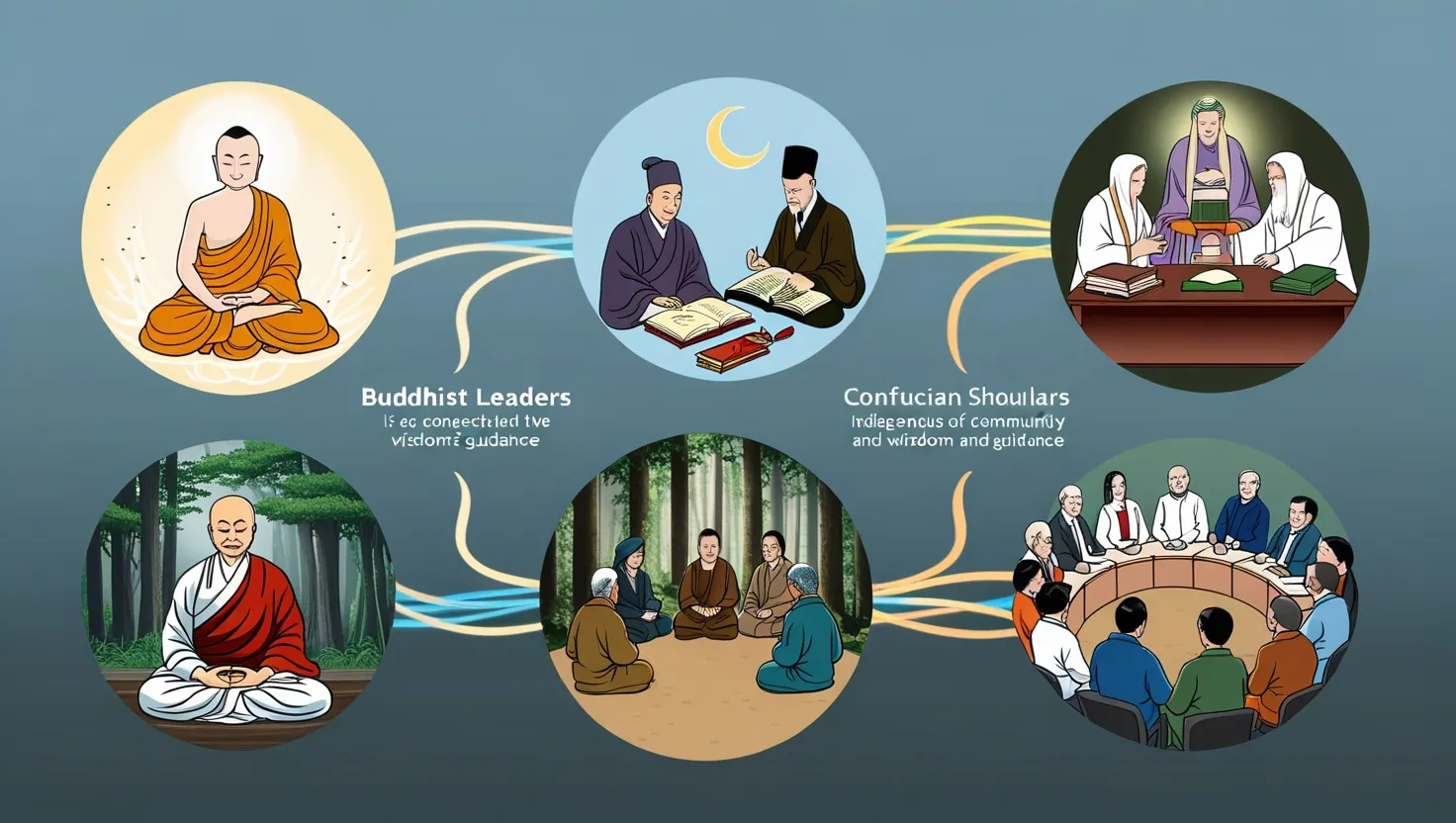
When I think about leadership, I notice how much our definitions are shaped by stories, rituals, and ideas that go back centuries. Religion, for many, is as much about organizing communities as it is about spiritual belief. The ways authority is distributed and exercised have a direct impact on everything from how justice is delivered to how conflict is resolved. What can these five religious models teach us about leading well—or leading astray? Let’s ask that honestly as we explore these traditions.
If there’s a single thread running through religious leadership, it’s the tension between individual virtue and collective well-being. Why do we trust some leaders and doubt others? Why do some communities flourish while others falter? Hidden inside old systems are answers as relevant now as ever.
Consider Buddhist enlightened governance. Some imagine leadership as a rigid system, but Buddhist traditions flip that. The ideal ruler, known as the Chakravartin, isn’t simply powerful but wise, patient, and deeply compassionate. A leader governed by wisdom starts with themselves—cultivating mindfulness before trying to fix the world. Here’s a strange fact: in many Buddhist stories, the greatest leaders are those who disappear into anonymity, working quietly behind the scenes. It’s the emphasis on non-violence that makes the Buddhist style stand out. In an age obsessed with charisma, Buddhist thought insists that quiet restraint and patient example are the true engines of change.
“Thousands of candles can be lit from a single candle, and the life of the candle will not be shortened. Happiness never decreases by being shared.” This famous Buddhist saying points to another lesson: ethical authority isn’t a zero-sum game. If you’ve ever led a team, ask yourself—am I illuminating the way for others, or just burning brighter alone?
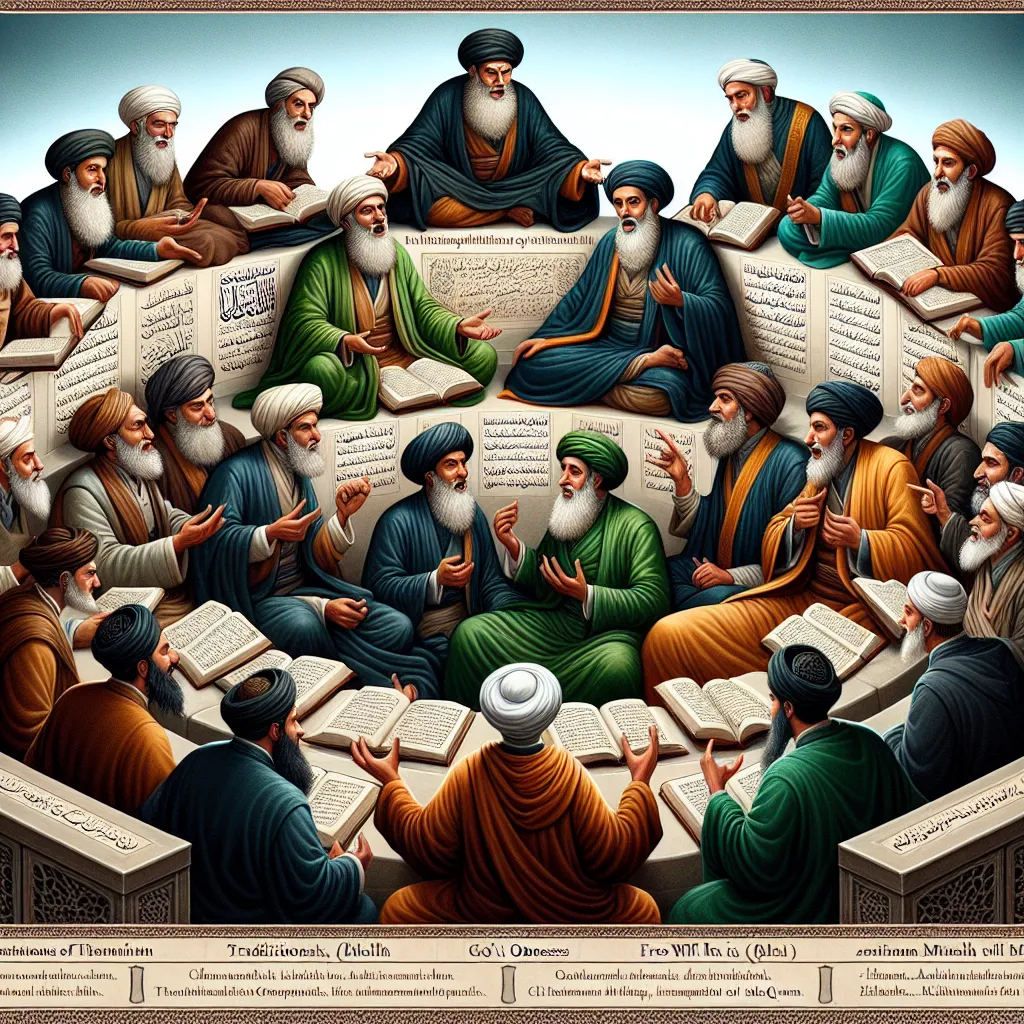
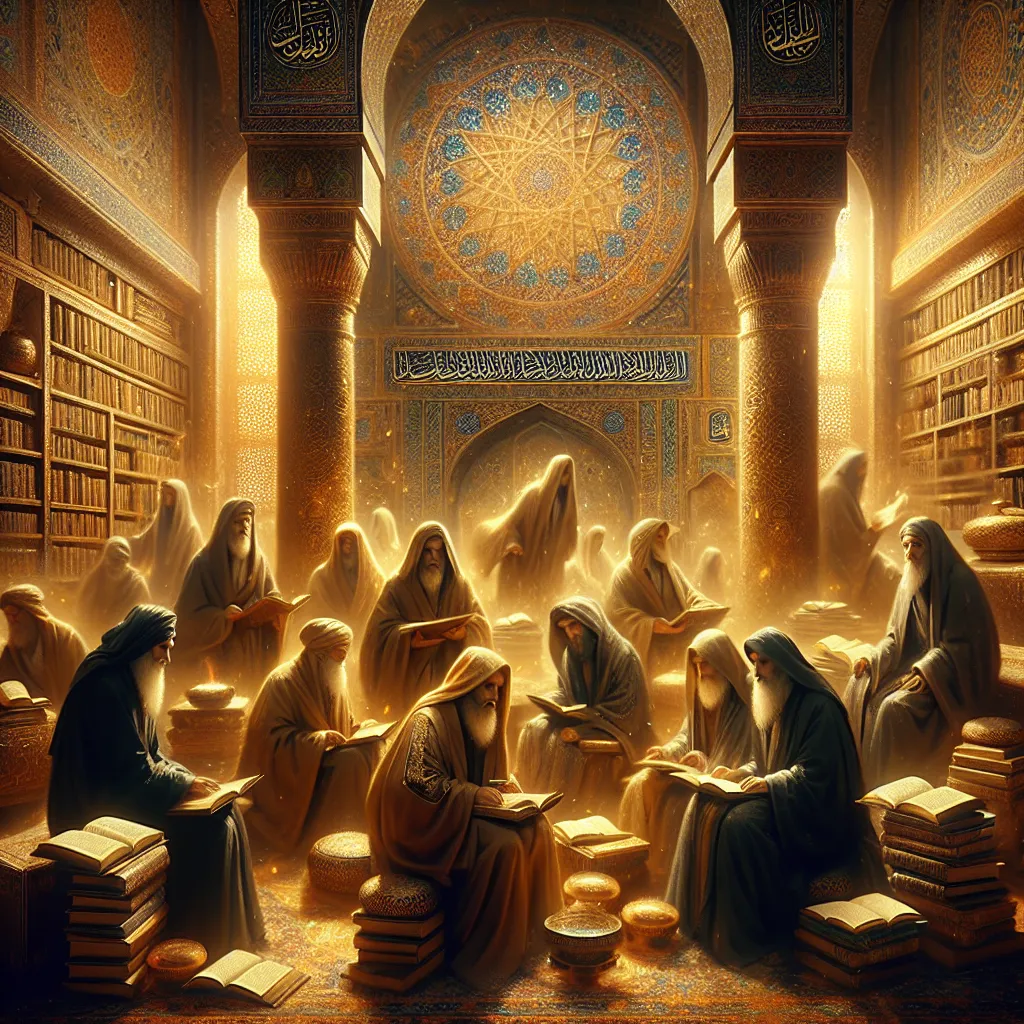
Switching to early Islam, the Caliphate concept brings together the idea that leadership isn’t only about authority but service. The first Caliphs didn’t see themselves as kings; rather, they were stewards—caretakers of law and justice accountable to both God and people. Their legitimacy rested not on birthright but on their commitment to uphold a higher order. What sets the Islamic model apart is the built-in requirement for shura, or consultation. Before any big decision, leaders had to genuinely listen—not just to the wealthy, but to anyone with wisdom and insight, including minorities and women in certain periods of history. This runs counter to autocracy; it roots leadership in dialogue. Are we, in our workplaces and communities, fostering enough open consultation—or is our version of authority more about one voice dominating the rest?
Justice stands above all in the Islamic vision. The leader is reminded, “When you judge between people, judge with justice.” It’s a call to rise above personal bias. This might sound lofty, but it has practical echoes—think about the last time you were asked to settle a dispute. Did you default to what was easiest or what was fair?
The Confucian model offers another perspective. Here, the Mandate of Heaven gives authority a provisional, almost contract-like status. If rulers misbehave—if they neglect virtue or cause suffering—they lose their legitimacy. This idea, radical in its time, meant that the people not only could but should replace a bad leader. That’s an early theory of “accountability,” thousands of years before constitutions or elections became standard. But there’s something subtler as well: Confucius argued that character and ritual matter as much as results. Ritual, or Li, isn’t empty tradition—it’s the ongoing process of showing respect, signaling intentions, and keeping the social fabric from fraying. In your own life, what rituals have helped bind your community or team together? What happens when those rituals break down?
Confucian societies would often select officials after rigorous study and examination, believing that knowledge and virtue trump simple inheritance. This notion of merit over birth challenges assumptions about who should lead. Yet, there’s a paradox. Sometimes, the most virtuous leaders were those least drawn to power, preferring a life of scholarship or retreat. So, are we looking for leaders in the right places, or just elevating the loudest voices?
“Real knowledge is to know the extent of one’s ignorance,” Confucius reminds us, suggesting that humility is not a weakness but a precondition for real authority.
Turning to indigenous models, we see leadership as an act of listening rather than commanding. Across many traditions—whether in North America, Australia, or Africa—councils of elders deliberate for days, sometimes weeks, seeking to reach consensus. Decisions are slow, but when made, they’re deeply owned. There’s no standout “boss.” Instead, wisdom is pooled, and everyone is expected to contribute to the long-term health of the group and the land. Nature is not just a backdrop; it’s a stakeholder at the table.
What might our cities look like if leaders spent more time listening—to young people, the marginalized, or the earth itself—before making major decisions? This model questions the common focus on speed and efficiency. Has our obsession with quick results made it harder to find lasting solutions?
In indigenous systems, elders often gain authority through quietly helping others rather than through force or dazzling speeches. Storytelling plays a big part. Important lessons are passed down as narratives, not as rules. The very idea that “it takes a village” finds concrete expression here. When’s the last time you sought advice from more experienced voices in your own circles?
To quote an old proverb: “If you want to go fast, go alone. If you want to go far, go together.”
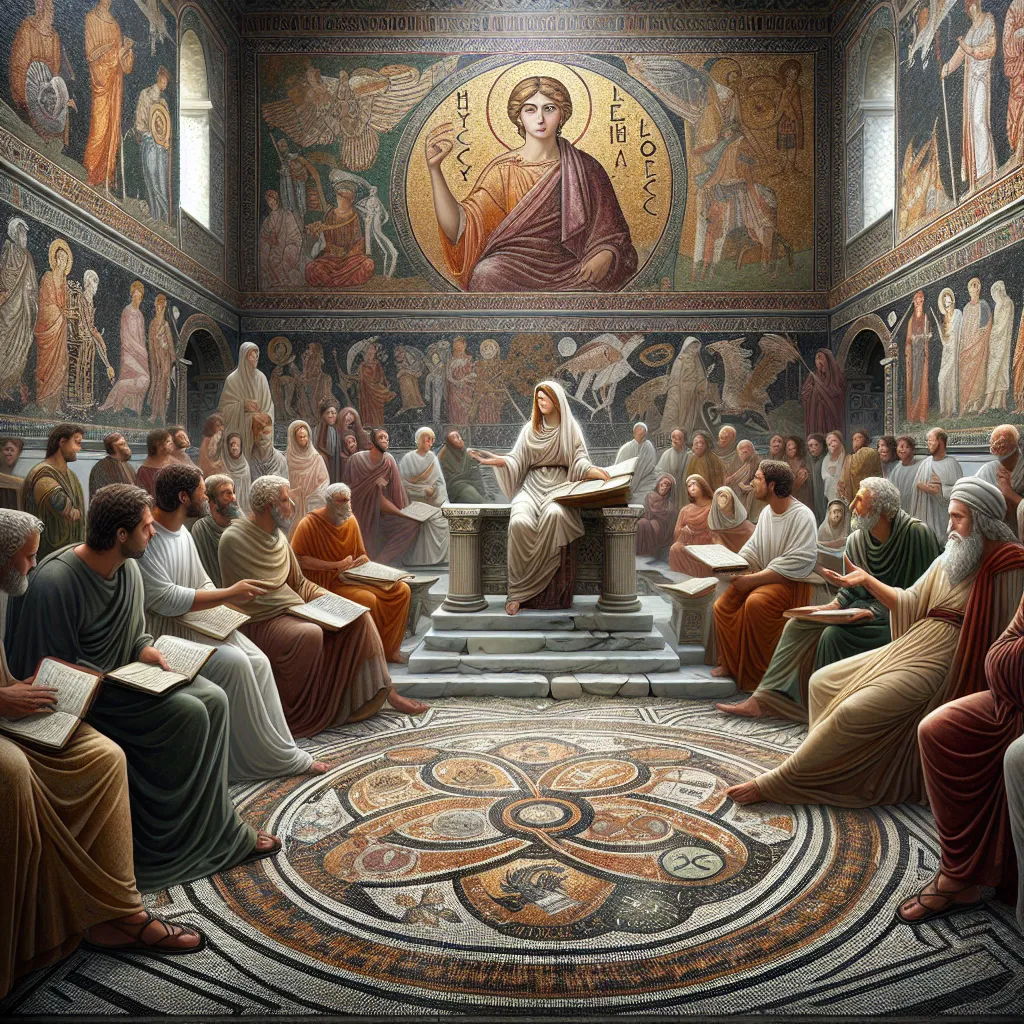
Finally, consider the Protestant Reformation’s idea of the “priesthood of all believers.” What’s radical here is the rejection of vertical hierarchies in favor of spiritual equality. Leadership, in this model, is distributed—everyone’s voice matters, and no one person is closer to truth by title alone. This doesn’t mean chaos; instead, it’s a demand that each member takes responsibility for their faith, their actions, and their community.
This principle inspired not just religious but social revolutions, challenging monarchies and sparking calls for democratic governance. Yet, it brings its own set of challenges: without clear structure, communities risk fragmentation or endless debate. The genius of the model is that it insists on participation. If you’re part of a team, are you contributing ideas, or just waiting for instruction? Are you open to learning from anyone, regardless of status?
“We are all worms, but I do believe that I am a glow-worm,” quipped Winston Churchill, poking fun at the idea that we are all equal, but some shine in their own unique ways.
Each of these religious models, for all their differences, aims at a similar goal: aligning temporal power with higher ethical standards. Yet, the paths diverge. Buddhist governance centers on the leader’s inner work, while Islamic leadership relies on law and consultation. Confucian meritocracy ties authority to virtue and ritual, indigenous councils anchor authority in consensus and the wisdom of experience, and Protestantism elevates the voice and responsibility of every individual.
If you strip away the specifics, what remains is a profound question—where does legitimate authority come from, and who gets to say what’s just? Is it inner character, divine law, communal wisdom, tradition, or collective responsibility? What model best serves us today, and can we blend lessons from each?
Leadership, I’ve observed, isn’t just about keeping order or distributing resources. It’s a way of shaping meaning, setting a tone, and inviting others to join in something larger than themselves. Some of the most effective leaders draw quietly from the wisdom of these ancient systems, acting with humility, checking their motives, and listening twice as much as they speak.
The paradox of leadership is that, whether you sit on a council, ascend to a throne, win an election, or simply guide your family, the real test is not your authority, but your accountability to those you serve and to that which is beyond you.
So, what does authority mean to you? How will you lead—with force, with dialogue, or with example? The past offers models, not blueprints, and as our world grows more interconnected, perhaps the most important lesson is to keep asking what kind of leader each moment truly demands.