Talking about religion and spirituality often brings up the idea that they are the same thing. But really, they’re pretty different, and knowing the difference can help us figure out what we believe in and practice more effectively.
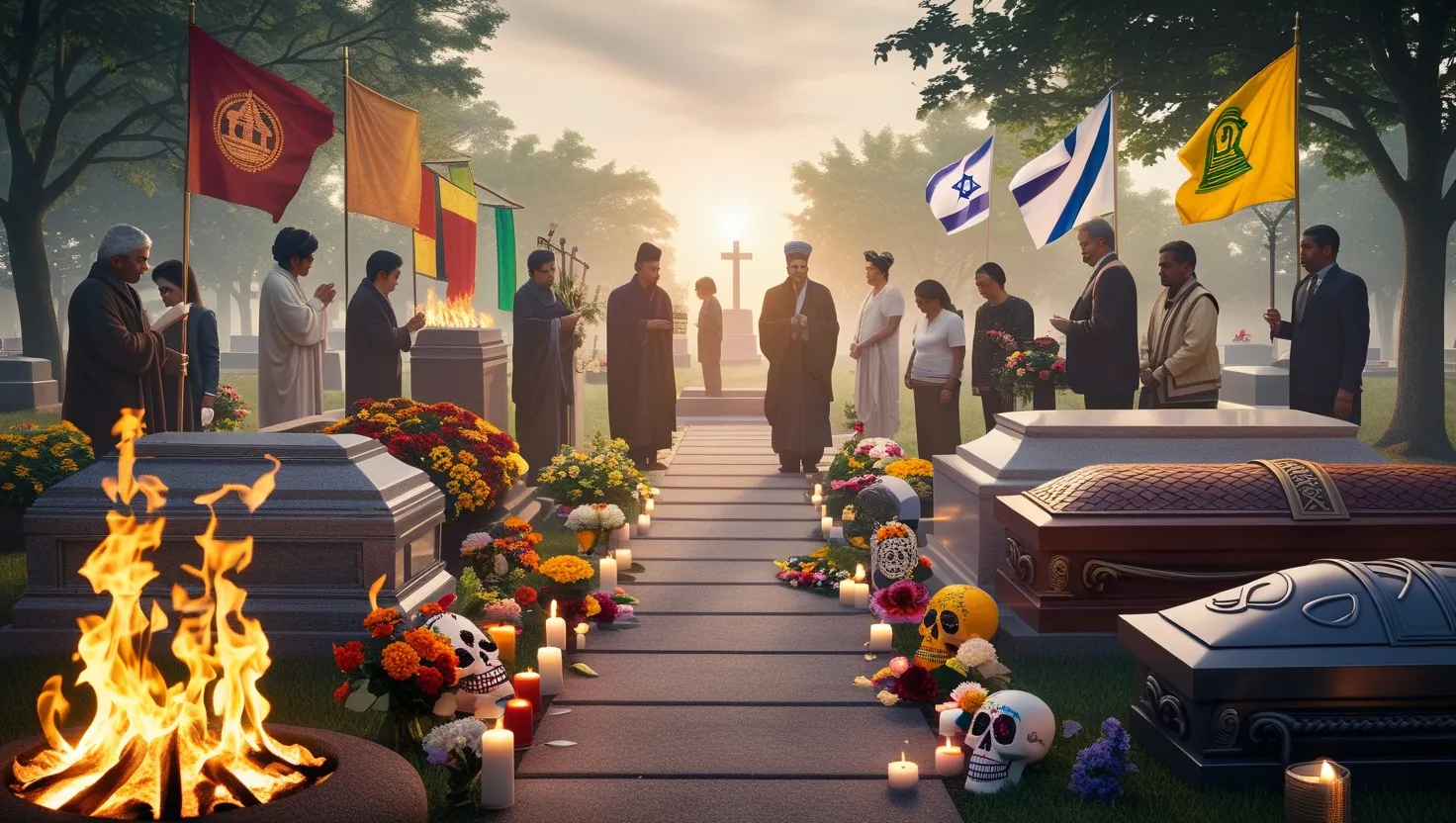
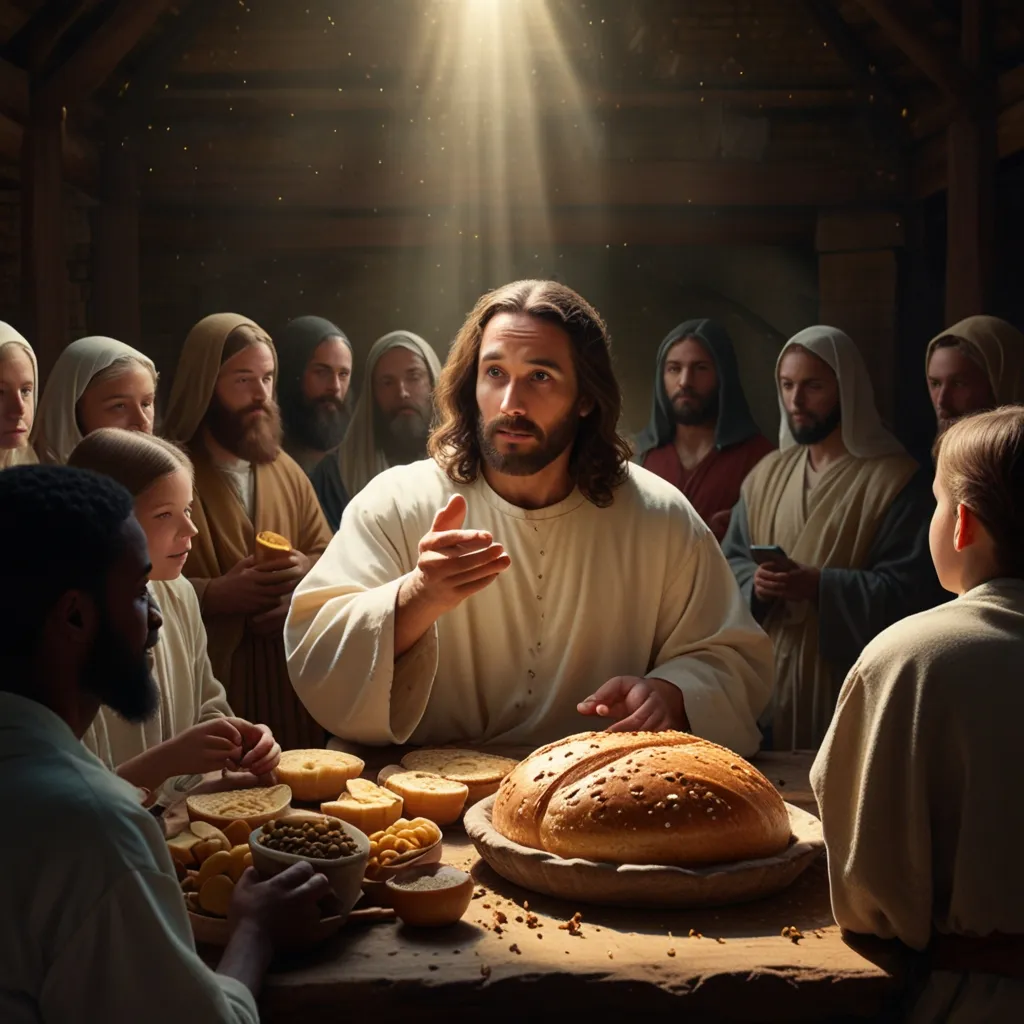
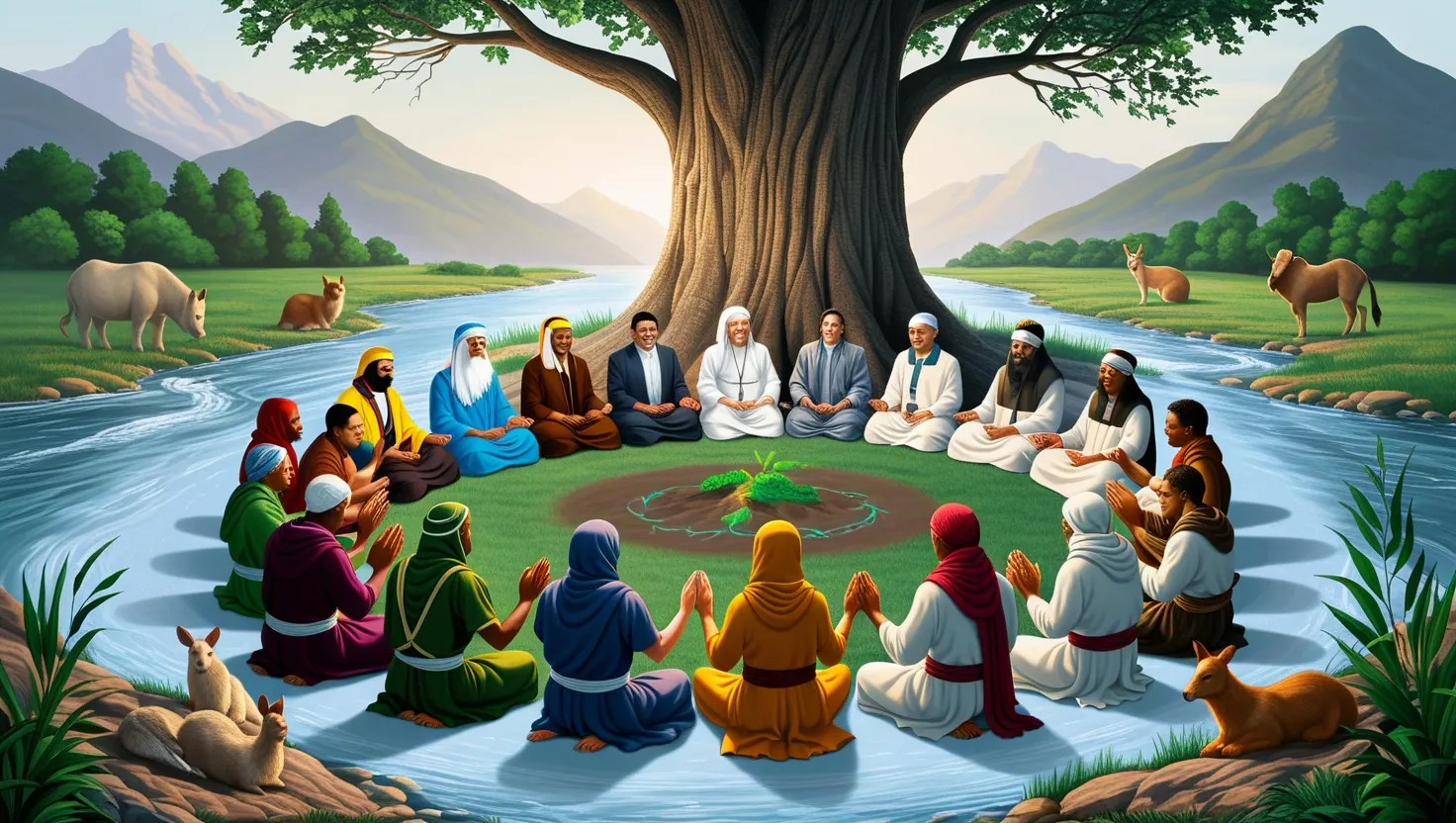
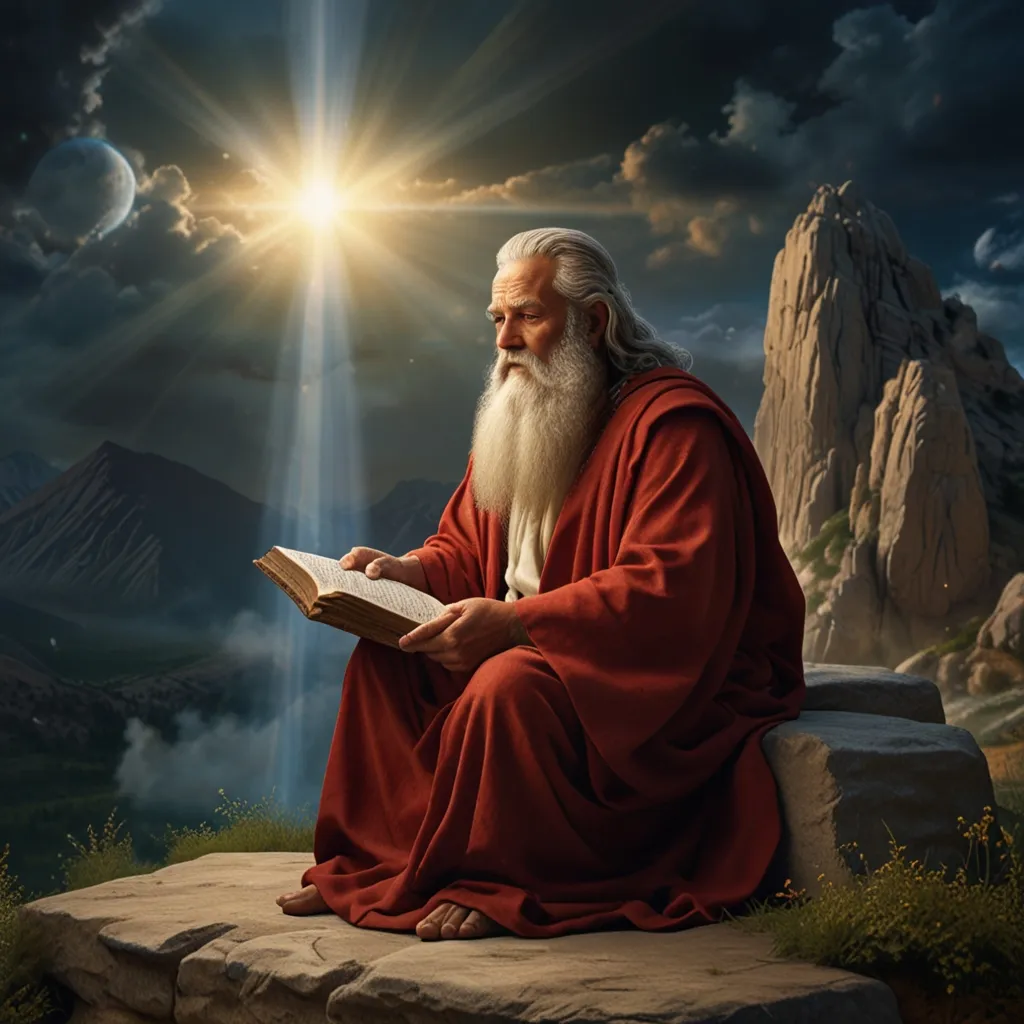
Religion is all about structure. It comes with a set of beliefs, practices, and rituals. Think of it like a community where everyone follows the same rules and traditions. Religions are usually built around historical figures like Jesus, Buddha, or Muhammad, and their teachings are written in holy books. Being religious can mean going to places of worship, taking part in ceremonies, and sticking to specific moral codes. Religion often provides a sense of belonging and a shared identity among its followers.
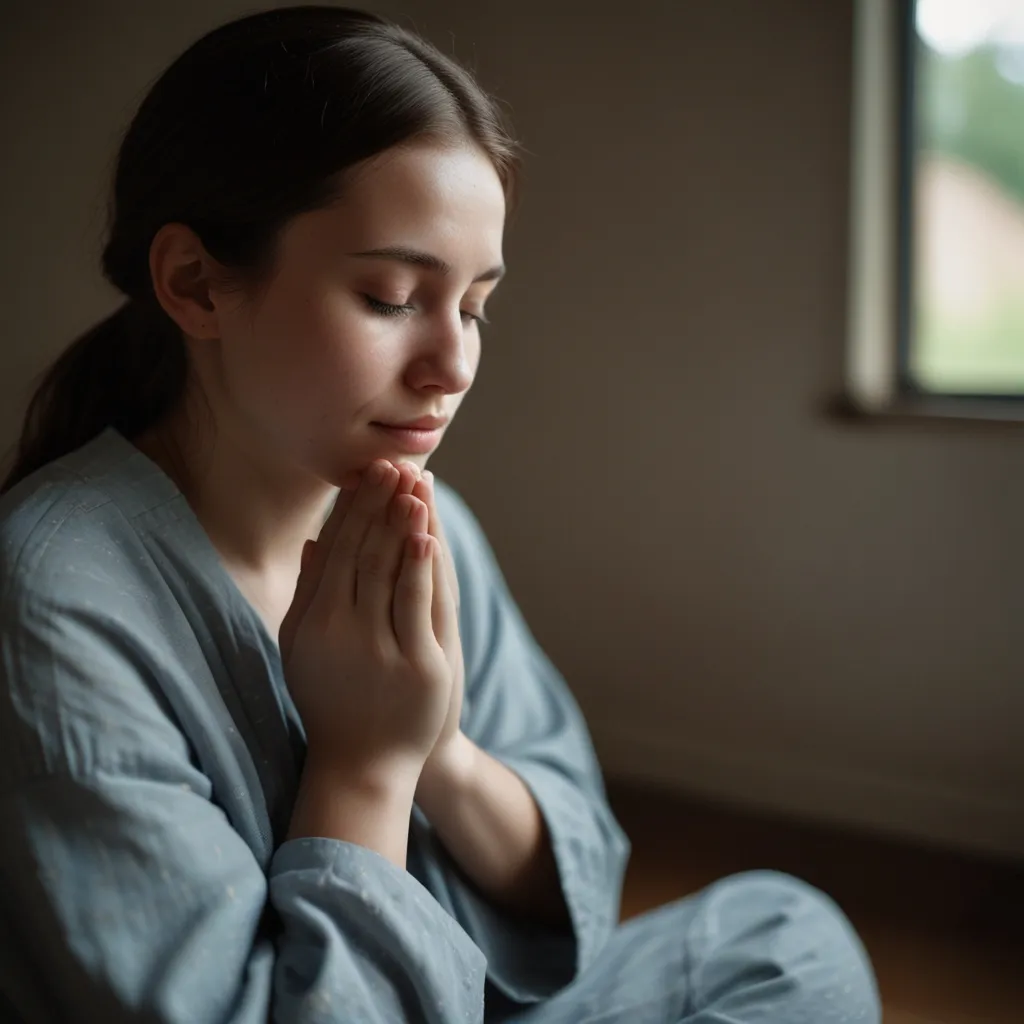
Spirituality, on the other hand, is more personal and flexible. It’s about feeling connected to something bigger than yourself, whether that’s nature, a higher power, or the universe. Spirituality is like an inner journey focused on personal experiences and growth. Practices like meditation, yoga, and mindfulness are common in the spiritual world. It’s all about finding meaning and purpose in life through personal experiences and reflections.
One major difference between religion and spirituality is how they approach the truth. Religion often relies on faith and belief in established teachings, while spirituality leans more on personal experience and intuition. Religion gives a sense of security with its structured beliefs and practices, while spirituality encourages exploration and adaptability.
These days, especially among younger folks, there’s a shift towards spirituality over traditional religious beliefs. This change is partly because people want a more personal and flexible approach to faith. Some find traditional religious institutions restrictive or hypocritical, pushing them toward seeking a more authentic and meaningful connection with the divine.
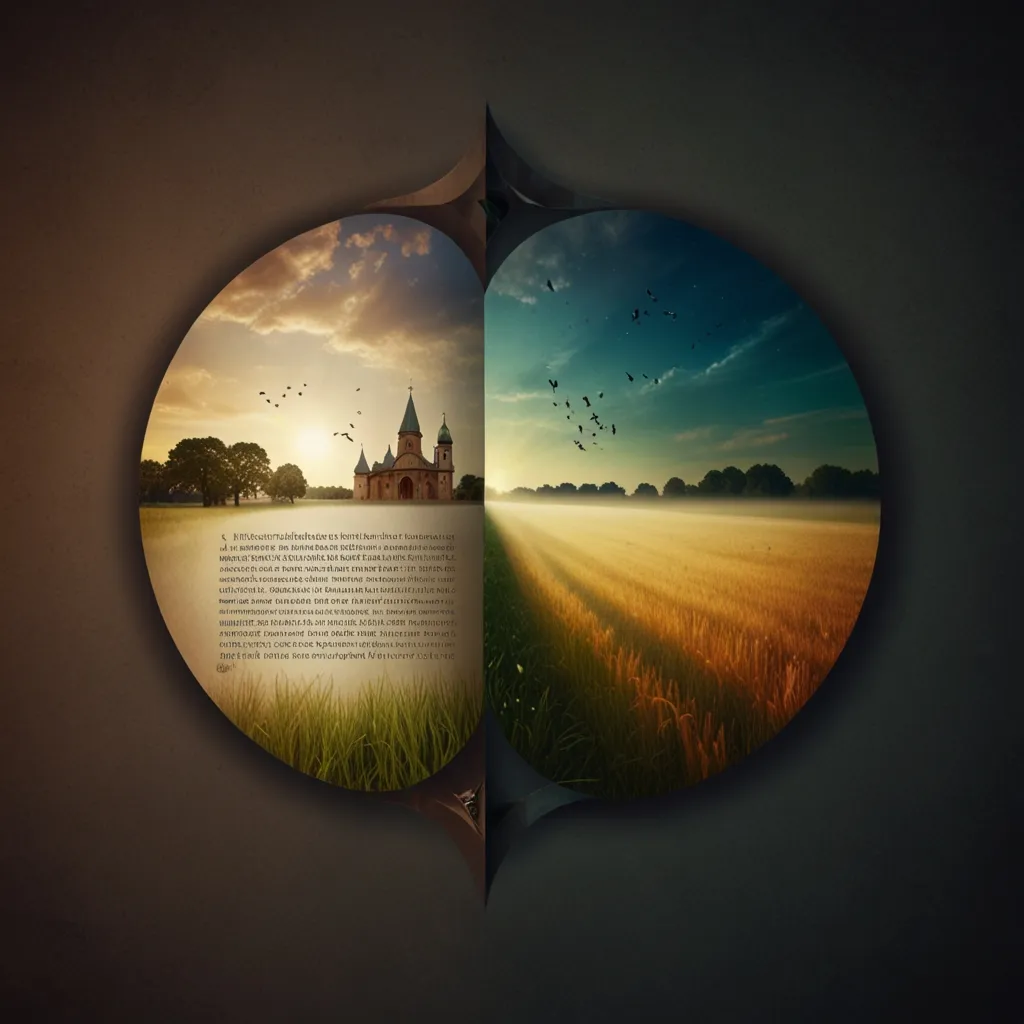
The line between religion and spirituality isn’t always clear. Some people find their religious beliefs and practices deeply spiritual, while others see their spiritual journey as separate from any religious framework. It’s also possible to be both—gaining value from the structure of religion while also exploring personal spiritual practices.
In the end, both religion and spirituality are ways to understand and experience the world. Religion offers a communal, structured path, while spirituality is a personal, flexible journey. Both paths can be valuable, depending on what you’re looking for. Whether you see yourself as religious, spiritual, or both, the key is finding a path that speaks to you and helps you grow.