Did You Know Halloween Is A Melting Pot Of Ancient Rituals And Modern Fun?
Exploring Halloween's Evolution: From Ancient Rituals to Modern Spooktacular Spectacles
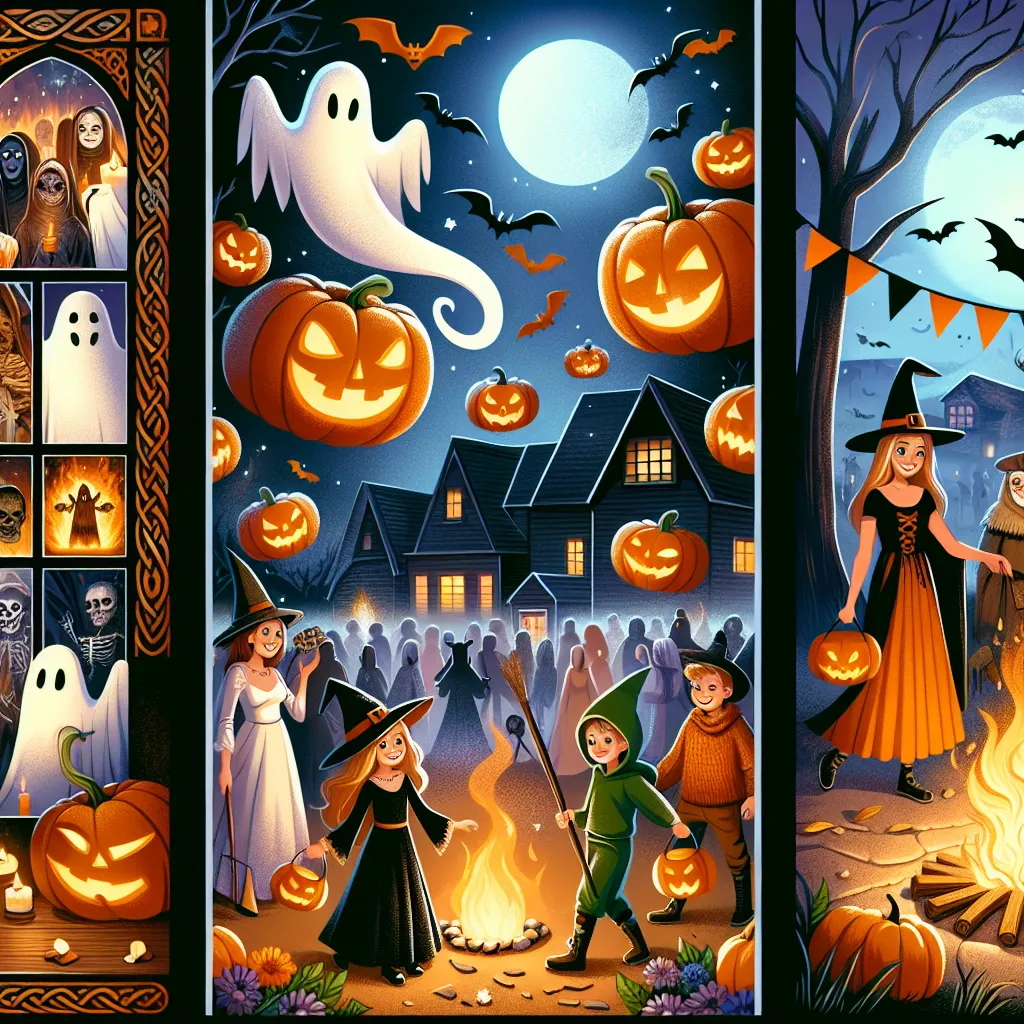
The spooky season is here, peaking with the holiday of Halloween, which has spread worldwide and become incredibly popular, especially in America. In the U.S., it’s the second most celebrated holiday of the year, filled with ghosts, witches, zombies, horror movies, parties, trick-or-treating, and lots of candy. Even in Sweden, trick-or-treating has gained popularity over the years.
But what exactly is Halloween? It’s more than just a day for costumes and candy. The origins of Halloween are often debated, with some calling it a form of Satanism or paganism. However, its roots are deeply embedded in a rich history that shows how religions and cultures blend over time to create what we see today. Let’s dive into its history to understand this fascinating holiday better.
Halloween, observed on October 31st, coincides with the time of year when leaves change color and a chill fills the autumn air. Most historians trace Halloween back to the ancient Celtic festival of Samhain, which marked the Celtic New Year. This festival celebrated the end of the harvest and the beginning of winter, a time for gathering and preparing for the colder months.
The Celts believed that on October 31st, the boundary between the living world and the afterlife was blurred, allowing spirits and supernatural beings to cross over. This belief brought a spooky and dangerous vibe to the celebrations, which included bonfires and feasting.
As Christianity spread across Europe, many local customs and festivals, including Samhain, were adapted and transformed. Pope Gregory III moved the celebration of martyrs and saints to November 1st, creating All Saints Day. November 2nd became All Souls Day, a day to remember the deceased, blending with the Celtic traditions. The evening before became known as All Hallow’s Eve, eventually shortened to Halloween.
By the 1400s, Halloween had established itself as a significant event, featuring the lighting of bonfires, fortune-telling, and wearing costumes to ward off evil spirits. In the 17th and 18th centuries, Halloween became more pronounced in the British Isles with practices like apple bobbing and various forms of divination to predict the future, often focusing on finding a future spouse.
Jumping across the pond, Halloween saw its rebirth in America in the 20th century. The tradition of carving pumpkins into Jack-o’-lanterns, derived from the Irish tale of Stingy Jack and his turnip lantern, became a central piece of Halloween decor. Trick-or-treating, though having roots in traditions like “souling” where people would ask for soul cakes, found its modern form in American suburbs, becoming a favorite among children and adults alike.
By the 1970s and 1980s, Halloween expanded beyond children’s activities. The rise of horror movies and monster culture in this era turned Halloween into a holiday loved by all ages. Classic films like John Carpenter’s “Halloween” added to the holiday’s dark and thrilling allure, making it a time when people can safely explore and celebrate the eerie and macabre.
Today, Halloween is a blend of ancient traditions, Christian practices, and modern pop culture. It’s an excellent example of how holidays evolve and adapt over time, influenced by various cultural and religious interactions. Whether you’re lighting a Jack-o’-lantern, dressing up for a party, or binging on horror movies, Halloween offers a unique way to confront and embrace the darker sides of life in a fun and spirited manner.
So, as you enjoy this spooky season, whether it’s trick-or-treating, celebrating with friends, or just indulging in some classic horror films, remember the rich history that has shaped Halloween into what it is today. Happy Halloween! Stay safe and have a hauntingly good time!