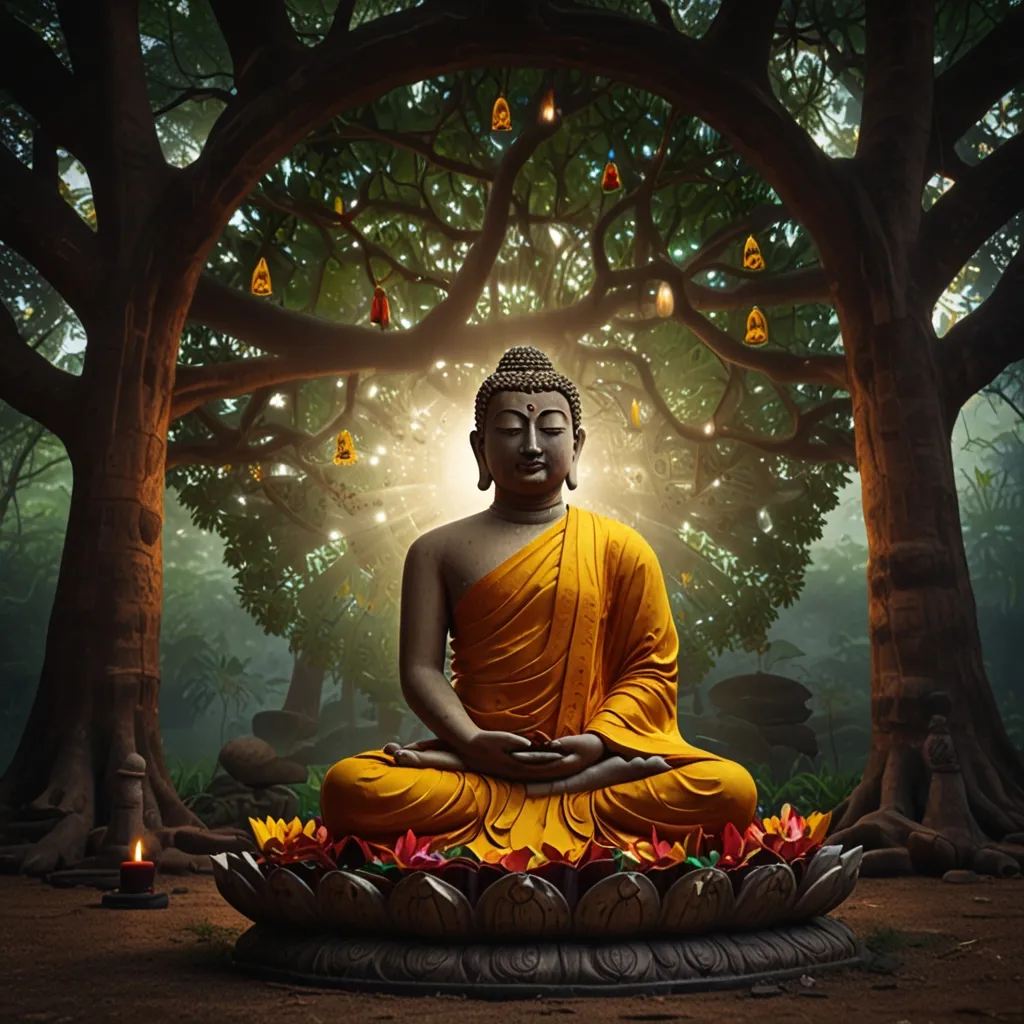
Can Meditation Really Lead to Enlightenment? Uncover the Secrets of Buddhist Practices
The Art of Zen: Unlocking Enlightenment and Mindfulness Through Buddhist Meditation
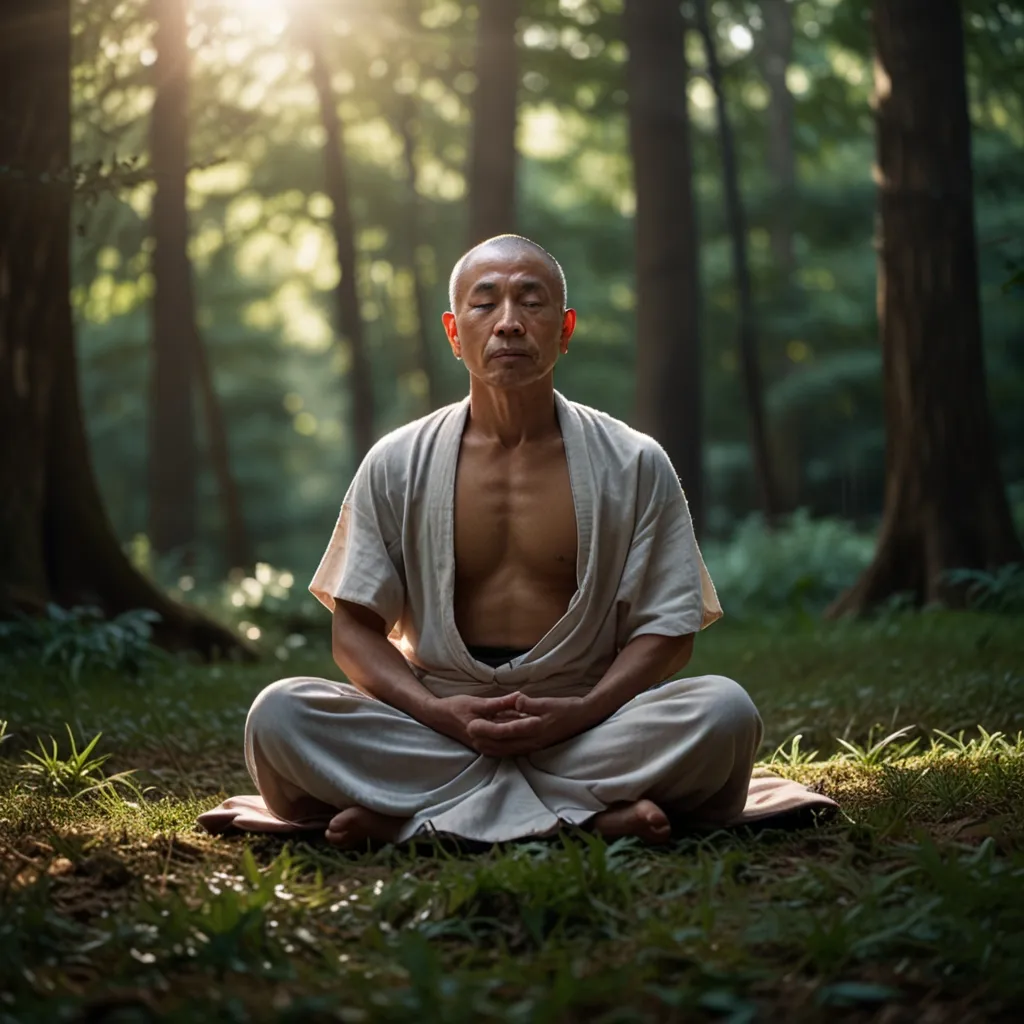
Meditation rocks in Buddhism, seriously. It’s not just a chill way to relax; it’s a big deal on the path to enlightenment. Buddhists meditate to break free from negative vibes and attachments, eventually leading to Nirvana. Different meditation styles all aim to ramp up mindfulness and awareness.
One basic but powerful method is focusing on your breath, called anapanasati. It’s about zoning in on your breathing to boost concentration and calm your mind. There’s also asubha bhavana, which is about thinking of repulsive things to kill worldly desires. Then you’ve got meditation on dependent origination (pratityasamutpada), which enlightens you on how everything’s connected.
Buddhist meditation generally falls into three categories: samatha (calmness), vipassana (insight), and metta (loving-kindness). Samatha is about getting your mind steady and serene to dig deeper. Vipassana lets you see reality as it is, revealing truths about impermanence and suffering. Metta is all about spreading love and kindness to everyone.
It’s not just a brain thing; your body gets involved too. While the lotus position is classic, any comfy, stable posture with a straight spine works. Meditating solo or in groups can be rewarding, and many find group sessions and guidance from seasoned meditators super helpful.
There are also formless meditations like shikantaza in Zen Buddhism and mahamudra and dzogchen in Vajrayana Buddhism. These styles don’t focus on anything specific and blend calmness and insight together.
Beyond religion, meditation is a trendy tool for health and stress relief. It can boost self-awareness, help with concentration, and manage stress. People even use meditation in palliative care for chronic pain and preventing depression relapses.
The main goal of Buddhist meditation is to calm the mind, stop aimless thoughts, and achieve peace and focus. It’s about being mindful and aware of your experiences, and understanding mental phenomena to uncover their true nature.
In a nutshell, Buddhist meditation is a diverse practice paving the way to enlightenment, self-awareness, and compassion. Plus, its benefits are a boon for overall well-being in everyday life.