religion

Could This Ancient Book Really Hold Mysterious Magical Powers?

Unlocking the Mystical Power of Sacred Letters: The Legacy of Shams al-Ma’arif

Could This Ancient Book Really Hold Mysterious Magical Powers?

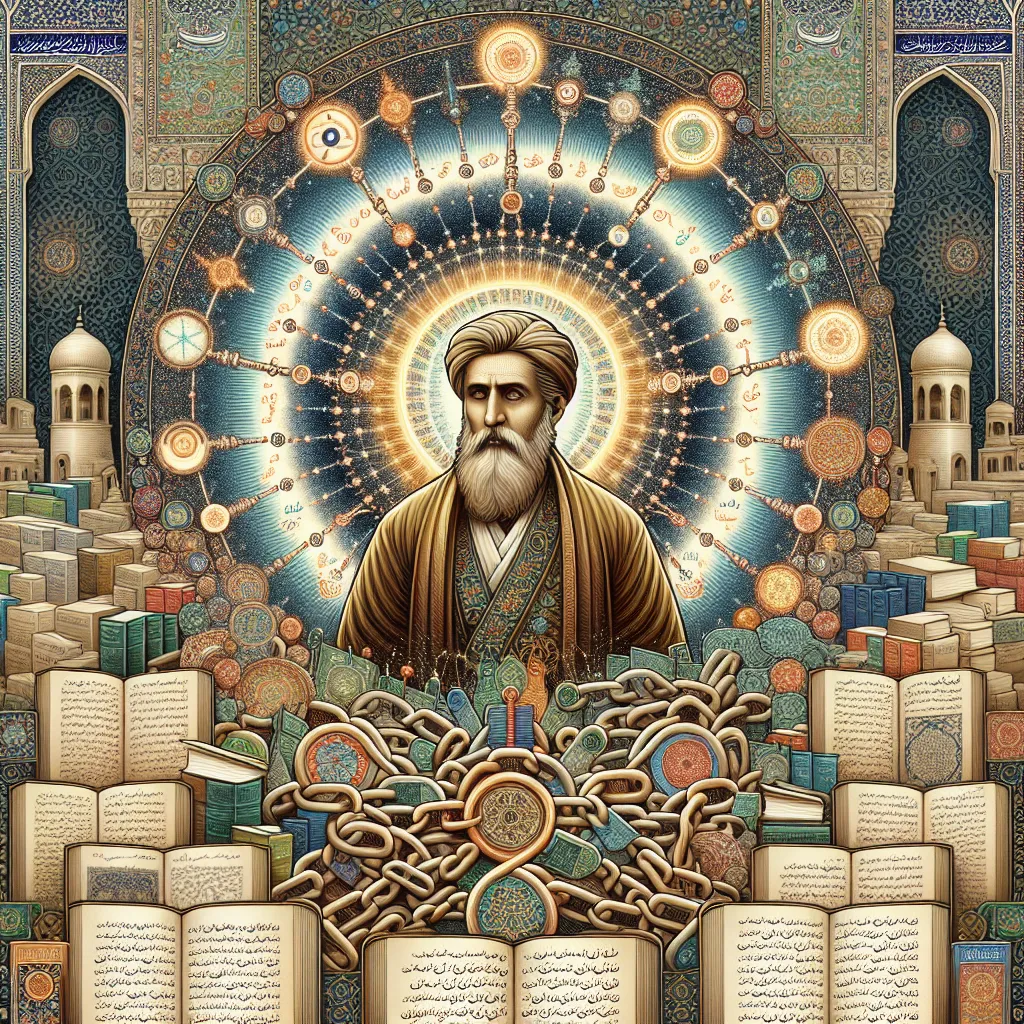
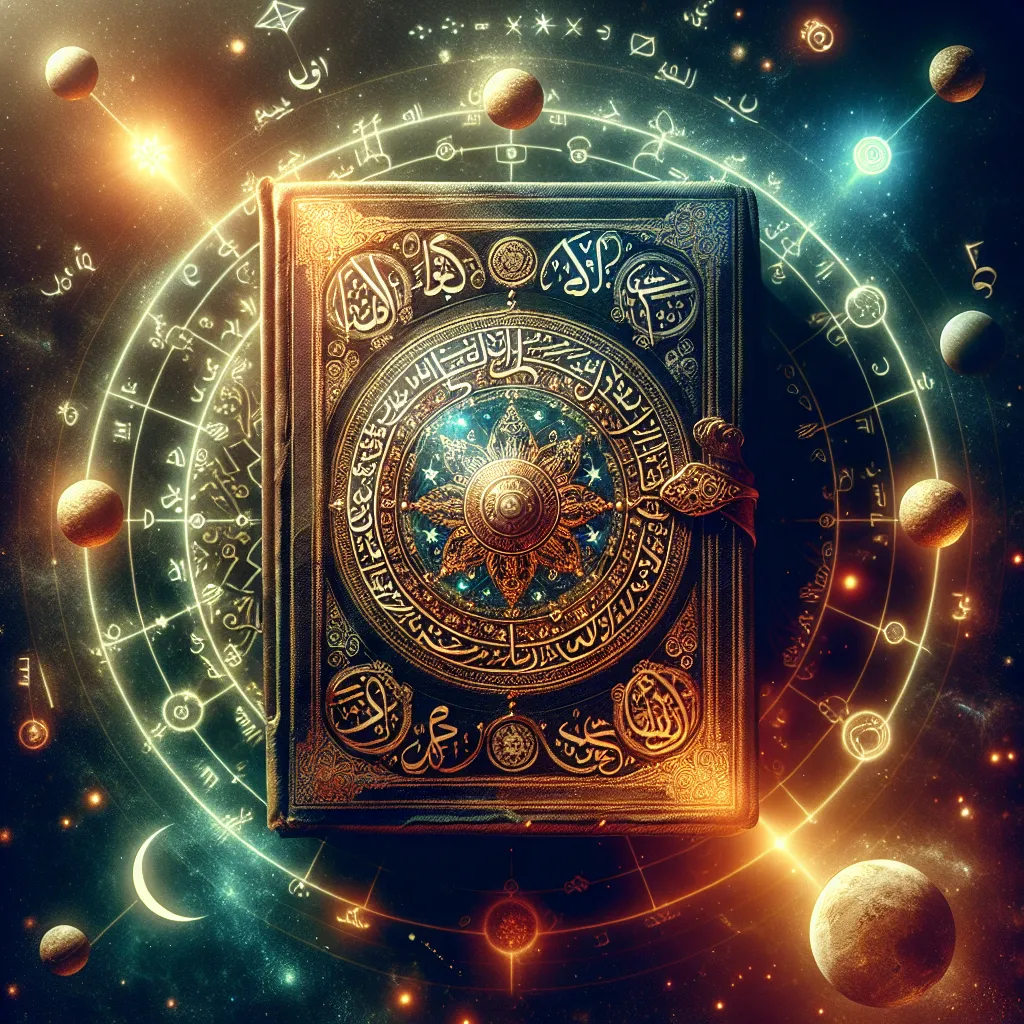
There’s an ancient occult book called “The Shams al-Ma’arif,” also known as “The Son of Knowledge.” It’s notorious for being one of the most dangerous books in existence. The book primarily delves into the science of letters, a belief that the letters of the Arabic alphabet hold magical, occult powers.

According to the book, these practices involve intricate details about letters and their connections, including the Mansions of the Moon, planetary spheres, and the names of God. The emphasis is not on invoking the powers of jinn or demons, but rather, harnessing the powers of God. This includes the use of Quranic verses and divine names.

A large part of “The Shams al-Ma’arif” is dedicated to explaining how to create talismans. These talismans are meant to protect the user from real danger and malevolent entities, utilizing the sacred letters and verses. The book’s infamous reputation stems from its detailed guide on employing these divine powers for protection and other purposes.

Similar Posts
Blog Image
Why Do Catholics and Protestants See Faith So Differently?

A Colorful Exploration of Christianity's Twin Giants: Catholicism and Protestantism

Blog Image
What Transforms a Renowned Scholar into an Ecstatic Mystic: The Story of Rumi

Unveiling Jalal ad-Din Rumi: The Renaissance Poet Shaped By Divine Love and Islamic Mysticism

Blog Image
Does St. Lucy's Day Hold a Candle to Tradition or Just Bring Light to Winter's Gloom?

Light in the Darkness: The Timeless Joy of St. Lucy's Day

Blog Image
What Secrets Did Cordoba's Princess-Poet and Her Lover Hide in Their Passionate Feud?

A Cultural Melting Pot: The Poetry and Passion of Wallada and Ibn Zaydun

Blog Image
What Ancient Christian Group Lived a Secret Life Mirrored in Modern Faiths?

Discovering the Ebionites: Early Christianity’s Little-Known Branch and Its Role in Shaping Religious Evolution

Blog Image
Nowruz: Ancient Persian New Year Ritual Blends Tradition and Renewal

Nowruz, the Persian New Year, celebrates spring's arrival with ancient Zoroastrian roots. It features the haft-sīn table, house cleaning, and bonfire jumping. Lasting 13 days, it includes family visits and outdoor festivals. Nowruz spans Central and Western Asia, symbolizing cultural identity and renewal. It blends tradition with modern practices, connecting people to nature and their heritage.