religion

Is This the Most Mesmerizing Mystical Poem Ever Written?

Embark on a Soulful Journey through the Longest Mystical Arabic Poem Alive with Divine Presence
Is This the Most Mesmerizing Mystical Poem Ever Written?

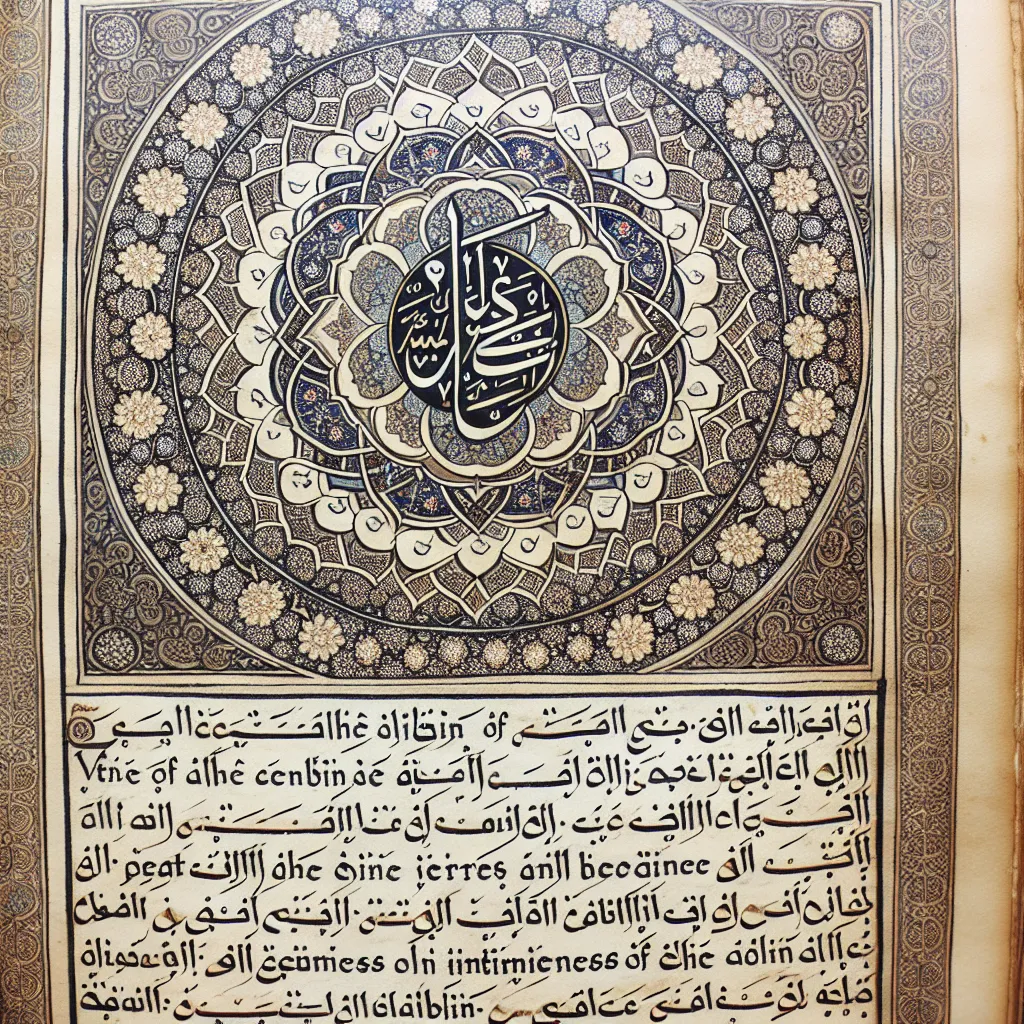
One of the most awe-inspiring accomplishments in the realm of mystical poetry is surely the poem “Ataya El Kubra,” also known as “The Great Ode” or “Nasma Suluk,” which roughly translates to “The Poem of the Sufi Way.” This masterpiece, written with an impeccable rhyme scheme centered on the letter “T,” stands as the longest mystical poem in the Arabic language, boasting an impressive 761 verses.

But it’s not just the poem’s length that makes it notable. “Ataya El Kubra” is celebrated for being one of the most profound articulations of the mystical journey and the experience of divine Oneness ever written.

In the first section of this incredible piece, the poet embarks on a quest for union with the ultimate Beloved, which is none other than God. This desire for unity and oneness is a recurring theme that is explored in various ways throughout the poem.

As the verses unfold, the poet describes a state of complete annihilation, where he becomes entirely absorbed and intoxicated by the divine presence. In this elevated spiritual state, there is no sense of individuality or multiplicity—only the overwhelming reality of God remains.


Similar Posts
Blog Image
How Do Different Religions Shape the Concept of Marriage Around the World?

A Whirlwind Tour of Marriage Across Global Faiths and Cultures

Blog Image
Did Christianity Borrow Its Soul from Neoplatonism?

Tracing Philosophical Echoes Through the Tapestry of Christian Theology

Blog Image
Nowruz: Ancient Spring Festival Unites Cultures in Joyful Renewal

Discover Nowruz: Ancient Persian New Year celebration. Experience renewal, joy, and cultural traditions as spring begins. Join the festivities and embrace new beginnings!

Blog Image
Is Reality Just an Illusion According to Advaita Vedanta?

Navigating the Veil: Unraveling Shankara's Advaita Vedanta Mystique

Blog Image
Bahá'í Gardens: Haifa's Hidden Gem Blends Spirituality and Stunning Beauty

The Bahá'í Gardens in Haifa blend spiritual symbolism, architecture, and eco-friendly design. Featuring 19 terraces with the Shrine of the Báb at the center, they reflect Bahá'í principles of unity and diversity. The gardens use smart irrigation and drought-resistant plants, showcasing environmental stewardship. A major tourist attraction, they've become a model for sustainable religious sites worldwide.

Blog Image
Cargo Cults: When WWII Planes Became Gods in the Pacific Islands

Cargo cults in Melanesia emerged after World War II when islanders encountered Western technology. They built mock airfields and mimicked military rituals, hoping to attract goods. This phenomenon highlights cultural misunderstanding, the impact of globalization, and human attempts to make sense of rapid change. It serves as a cautionary tale about superficial imitation and the importance of genuine cultural understanding.