Sharia law, at its heart, guides Muslims on living a life aligned with divine guidance. The term “Sharia” means “the way” or “the path to water” in Arabic, emphasizing its role in leading to spiritual fulfillment. It encompasses a vast array of practices and beliefs that shape the daily lives of Muslims across the globe.
The foundation of Sharia comes from two main sources: the Quran and the Hadith. The Quran is viewed as the literal word of God revealed to the Prophet Muhammad, while the Hadith captures his sayings and actions. Together, they lay the groundwork for interpreting and understanding Sharia.
Beyond just the Quran and Hadith, Sharia also relies on consensus among religious scholars, known as “ijma,” and analogy or “qiyas.” This consensus helps ensure interpretations align with the broader principles of Islam, while analogy allows scholars to apply Sharia principles to new situations by drawing comparisons to past cases.
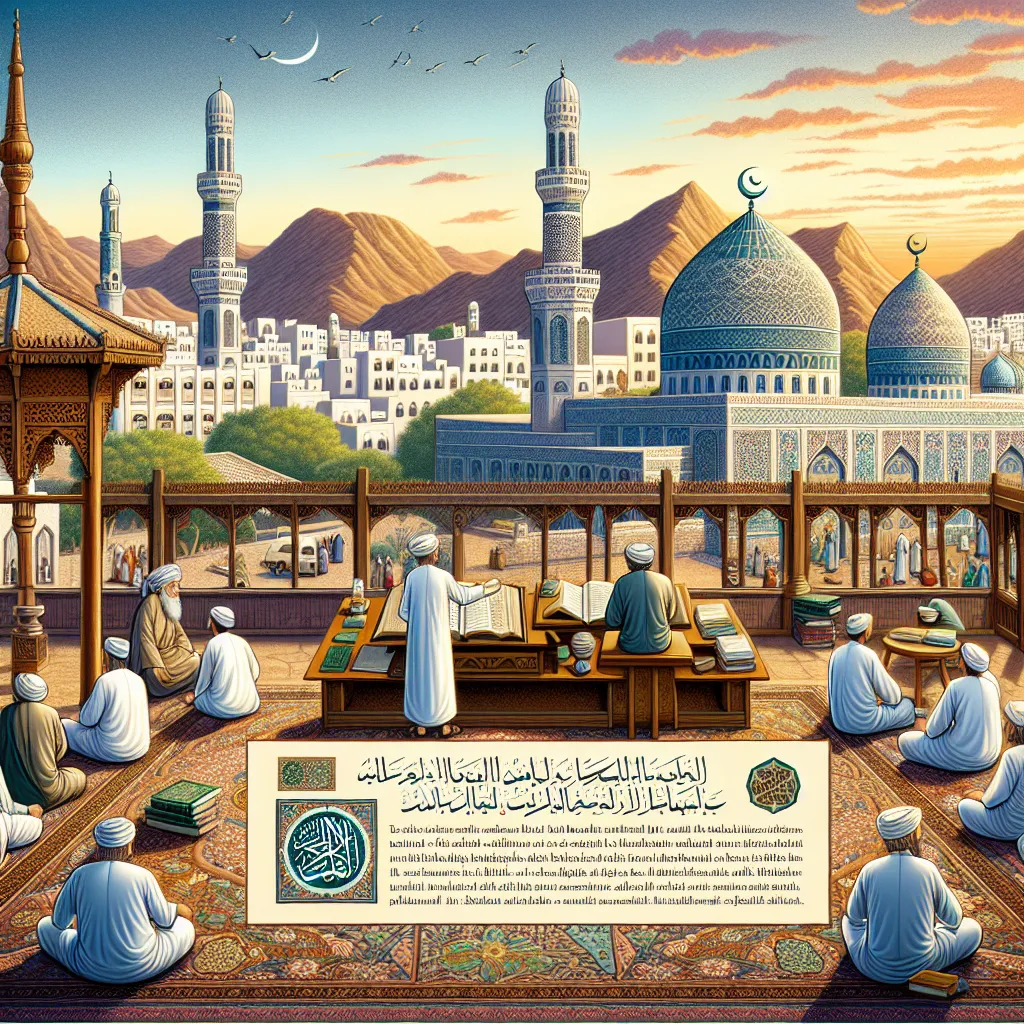
When we talk about interpreting Sharia, the process is known as “fiqh,” meaning understanding. It’s a deep dive into the Quran, Hadith, and legal theory. Through the centuries, different schools of thought have surfaced, each with its own method for deriving and applying the law. These include Hanafi, Maliki, Shafi’i, and Hanbali in Sunni Islam, and Jafari in Shia Islam.
What’s fascinating is that Sharia isn’t a rigid system. It’s a dynamic and evolving body of law. Its application has varied across different cultures and times. Even today, it continues to adapt to modern circumstances while holding onto its core principles, which is crucial as Muslims navigate diverse societies and contemporary challenges.
Common misconceptions paint Sharia as a single, unchangeable legal system, but that’s far from the truth. It’s intricate and multifaceted, open to various interpretations. Different Muslim communities apply Sharia in ways that reflect their unique cultural and historical contexts.
Often, Sharia is misunderstood as primarily about legal punishments. While there are legal codes within Sharia, like the hudud punishments for severe crimes such as theft and adultery, these are rarely practiced. Many Muslim-majority countries have moved away from physical punishments, with scholars discussing them more as deterrents than literal practices.
The concept of jihad within Sharia frequently stirs controversy. While many think of jihad as armed struggle, it actually means striving for moral objectives like self-improvement, pursuing knowledge, or fighting injustice. This broader interpretation highlights the ethical and moral aspects of Sharia.
In essence, Sharia law is a rich, multi-layered part of Islamic tradition, guiding Muslims towards righteous living. It’s based on the Quran, Hadith, scholarly consensus, and analogy. Far from being a static system, Sharia evolves with the times, staying true to its core principles. Understanding Sharia means appreciating its diversity, complexity, and ethical dimensions.