Catholicism and Protestantism stand as two monumental pillars within Christianity, each adorned with its own kaleidoscope of rituals and beliefs. Both rooted in the teachings of Jesus Christ, the branches sprout in unique directions, illuminating the diverse tapestry of faith practice.
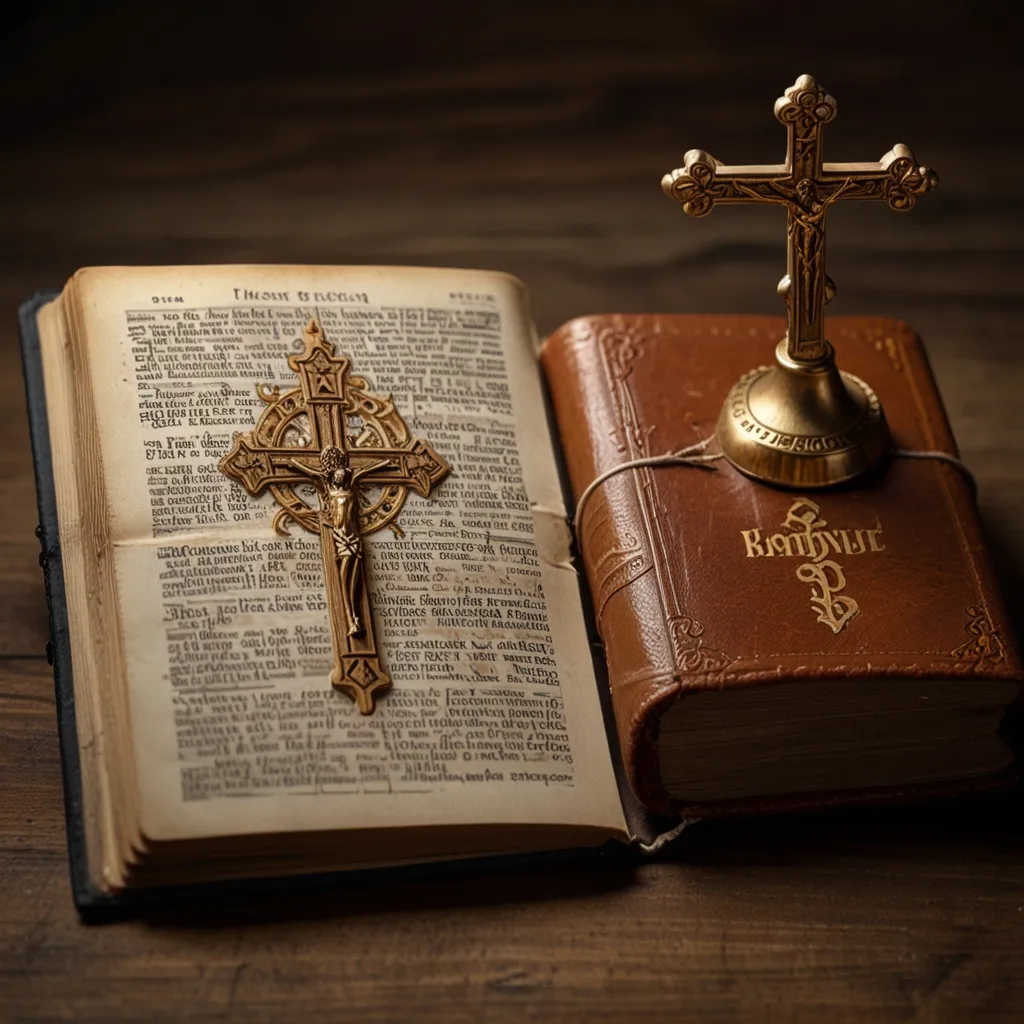
A pivotal difference is their stance on the Bible’s authority. For Protestants, it’s all about sola scriptura, the belief that the Bible alone is the ultimate word of God. They measure all Christian behavior by it. On the flip side, Catholics view both the Bible and sacred tradition as two sides of the same coin. So, beliefs like purgatory and the veneration of saints, which aren’t spelled out straight from Scripture, are embraced through tradition.
Then there’s the question of who’s the boss in the church. Catholics see the Pope as the heir to Saint Peter, the OG head of the church, based on apostolic succession. This chain is believed to go straight back to the apostles. Protestants, however, don’t buy into that hierarchy. They believe in the “priesthood of all believers,” meaning every baptized individual has a direct line to God.
Tradition itself holds different weight. For Catholics, tradition is almost a holy relay baton passed through generations, on par with the Bible. This deep respect for tradition includes prayers to saints and venerations of Mary. Protestants, however, rely purely on the Bible, holding tradition at arm’s length.
Let’s talk Bible size. Catholics crack open a Bible with 73 books, while Protestants thumb through 66. Those extra seven books in the Catholic Bible, known as the Deuterocanonical books or Apocrypha, are believed by Catholics to be part of the original canon, while Protestants say otherwise.
The road to salvation? Catholics walk a path of faith intertwined with good works. They see faith as the first step toward salvation, but a life of good deeds is crucial for earning eternal grace. Protestants take a different exit off the highway of salvation. They adhere to justification by faith alone, where God grants righteousness based on faith in Christ’s sacrifice, and good works follow as a natural outcome, not the gateway.
After life’s final curtain call, Catholics believe souls head to purgatory for a spiritual rinse before entering heaven. Protestants skip that pitstop, believing the faithful zoom straight to heaven upon death, all thanks to their trust in Christ.
When it comes to worship, Catholics have a structured liturgy, heavy on sacraments like the Eucharist, where bread and wine mystically transform into the body and blood of Christ. Protestant services are more of a mixed bag in style and don’t invest in the sacraments’ transformative powers the same way.
But here’s the thing: despite these differences, there’s so much common ground. Both groups affirm Jesus Christ’s divinity, his death, and resurrection. Prayer, communion, and a moral life are cornerstones for both. These differences just paint the beautiful variety of how people everywhere interpret and live out their faith, each hoping to follow Jesus’s teachings authentically.