Imagine this: you’re standing in a city, looking up at a towering skyscraper or crossing a bridge that seems to float over a river. All of that? It’s thanks to concrete. Not just any old mix of sand and rock, but a material that’s changed how we live, build, and move around the planet. Let’s walk through five big moments that made concrete what it is today. I’ll keep it simple, like we’re chatting over coffee. Think of me guiding you step by step—grab a seat, and let’s go.
First up, picture ancient Rome around 200 BCE. The Romans weren’t messing around with weak mud bricks. They found volcanic ash near a place called Pozzuoli and mixed it with lime. Boom—that’s hydraulic cement, or what they called opus caementicium. It hardens even underwater and laughs off acids and salts. Why does that matter to you? Because it let them build aqueducts that carried fresh water miles into cities, harbors that handled massive ships, and the Pantheon’s dome, still standing after 2,000 years. While emperors came and went, this stuff lasted.
“Concrete is the omnipresent material that binds our modern world together.” – A nod to architect Norman Foster, who knows buildings inside out.
Ever wonder why medieval castles crumbled faster than Roman ruins? The recipe got lost when Rome fell. Builders went back to lime mortars that cracked in rain. For a thousand years, we forgot how to make super-strong stuff. Imagine trying to build your dream house with play-doh instead of steel beams. That’s what it was like. Now, tell me—have you ever seen a Roman aqueduct up close? It feels like time travel.
Fast forward to 1824. Enter Joseph Aspdin, a bricklayer from England. He figured out Portland cement by firing limestone and clay in a kiln until they clinkered, then grinding it fine. He named it after Portland stone, that smooth gray rock from England’s coast, because it looked and felt just as good. This wasn’t some backyard trick. It was reliable, every batch the same strength. Factories could pump it out for bridges, roads, and houses during the industrial boom.
Here’s a lesser-known bit: Aspdin kept his kiln secret at first, baking it in his garden to hide the heat glow. Neighbors thought he was nuts. But this cement meant we could predict how buildings would hold up—no more guessing. It kicked off mass production. Suddenly, railways snaked across countries, and cities exploded with factories. You step on a sidewalk today? Thank Aspdin’s grind.
What if cement wasn’t consistent? We’d still be testing every bucket by hand. Portland cement fixed that. Do you realize how many everyday things rely on it, from your garage floor to airport runways?
Next breakthrough: steel reinforcement, mid-1800s. Concrete is great at pushing back—compression, like squishing a sponge. But pull it? It snaps like a dry twig. That’s tension weakness. French gardener Joseph Monier had flowerpots cracking from roots. In 1867, he patented pots with steel mesh inside the concrete. Genius, right? Engineers saw the light: embed steel bars, and concrete gets tough against stretching.
Try this in your mind: pour concrete around rebar in a beam. The steel takes the pull, concrete handles the push. Result? Slender columns holding up hotels, cantilever balconies jutting out like shelves, and bridges spanning rivers without a pillar in sight. The first big test? Monier’s own garden bridges. Unconventional angle: Monier wasn’t an engineer—he was a plant guy fixing pots. Sometimes breakthroughs come from fixing small annoyances.
“Reinforced concrete has given us the skeletal frame for modern architecture.” – Echoing engineer François Hennebique, who scaled it up for factories.
Question for you: Next time you’re on a long bridge, look down—see those cables or bars? That’s reinforcement at work. Without it, we’d have stubby, fat structures everywhere. Skyscrapers? Forget it.
Now, let’s talk 1920s France and Eugène Freyssinet. He took reinforcement further with pre-stressed concrete. Normal reinforced stuff waits for loads to stretch the steel. Freyssinet said, no—stretch the steel first, before pouring concrete. Lock it in place with anchors. When concrete sets, it’s squeezed tight, ready for heavy loads without sagging.
Why is this cool? Beams span huge distances, like airplane hangars with no middle supports or bridges lighter than ever. Lesser-known fact: Freyssinet tested it on Plougastel Bridge in 1930—it was meant for trains but handled wartime tanks too. He fought in World War I, saw trenches collapse, and thought, “We can do better.” Pre-stressing made roofs curve elegantly, like shells. It’s why sports stadiums feel airy inside.
Imagine building a parking garage that defies gravity. That’s pre-stressed. Ever parked in one that seems impossibly long? There you go. What do you think—would you trust a bridge stretched tight like a guitar string?
Last one, and it’s happening now: smart, green concrete. Old concrete cracks, lets in water, rusts steel inside, and boom—collapse. Plus, making Portland cement spews CO2 like a factory dragon—8% of global emissions. Scientists are flipping the script.
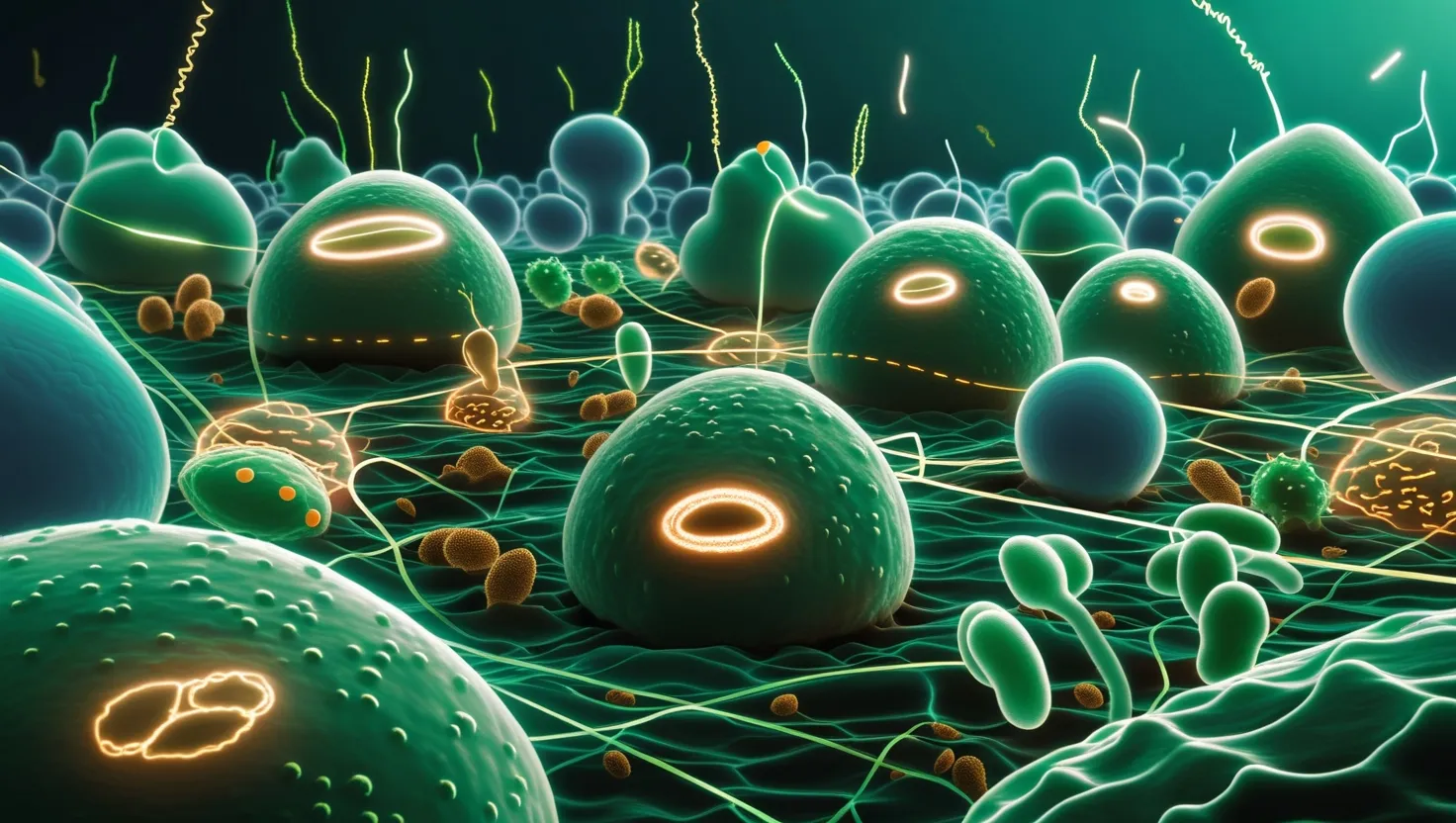
First, self-healing concrete. They embed bacteria or tiny capsules in the mix. Crack forms? Water seeps in, wakes bacteria—they eat nutrients and poop limestone, sealing it shut. Tested in Dutch highways since 2018, it lives 3-5 times longer. Unconventional view: bacteria were around before humans; now they’re patching our roads. Nature hacks us back.
Then, geopolymers. Skip limestone kilns. Mix fly ash (coal waste) or slag with alkalis—no high heat, 80% less CO2. Sets fast, fireproof, resists chemicals. Australia built bridges with it; it’s in space habitats too. Lesser-known: ancient Mayans used something similar with ash and lime, tree sap—lasted centuries in jungles.
“The future of concrete is alive—it heals itself.” – Inspired by microbiologist Henk Jonkers, bacteria concrete pioneer.
Rethink this: concrete’s carbon footprint rivals airlines. Geopolymers turn waste into wonder. What if your house fixed its own cracks? Sounds like sci-fi, but labs have prototypes glowing under UV to show healing.
These five steps—Roman hydraulic mix, Portland standardization, steel rebar, pre-stressing, and now self-healing green tech—built our world. Romans spanned seas; Aspdin fueled factories; Monier lifted cities skyward; Freyssinet made them light; today’s labs make them last forever.
But here’s my directive to you: next walk downtown, touch a wall. Feel that? It’s not rock—it’s history poured solid. Notice the curves, the spans. Ask yourself, what’s next? Maybe concrete that grows like a plant or recycles itself endlessly.
Dig deeper on the weird side. Romans added blood—animal blood—for extra strength in watery spots. Sticky proteins helped it bind. Medieval folks tried horse hair. Today? We use graphene flakes for super-strength, thin as paper but tougher than steel. Labs mix in carbon nanotubes—tiny tubes making concrete conduct electricity, for heated driveways that melt snow.
Ever ponder why dams curve downstream? Pre-stressing trick—water pressure pushes, curve throws it back. Hoover Dam used early versions, holds back Lake Mead like a boss.
Question: If concrete can heal, why not embed sensors to text your phone when it hurts? Companies do that now—smart concrete warns of quakes seconds early.
Unconventional angle: concrete shaped wars. World War II bunkers used it thick; Allies bombed with “earthquake” bombs to shake rebar loose. Today, it’s in stealth coatings, radar-absorbing mixes for bases.
Back to basics. Portland cement’s clinker? That noddy lumps from 1450°C heat. Aspdin’s son improved it, but dad patented first. Fun fact: fake Portland flooded markets early—weak stuff called “plaster of paris” in disguise.
Reinforcement started quirky. Monier did pipes, stairs, then bridges. First skyscraper? Chicago’s 1880s Home Insurance Building, rebar skeleton.
Freyssinet’s Plougastel spanned 140 meters—world record then. He pre-stressed cables by hand, teams hauling like sailors.
Modern twist: 3D-printed concrete houses in days, curves impossible before. Dubai’s got a whole office printed. Waste? Near zero.
Self-healers use Bacillus bacteria, dormant till wet. They make calcite plugs. Tested: cracks heal in 3 days, strength back 100%.
Geopolymers cure at room temp, perfect for remote spots—no kilns needed. NASA’s eyeing for Mars—mix lunar soil.
“Concrete must adapt or our cities will crack under climate change.” – Drawing from sustainability expert John David.
My tip: when buying a house, ask about concrete age. Old stuff lasts if good mix; new green ones promise more.
Think global. China pours most—half world’s concrete yearly. They mix rice husk ash now, cutting emissions.
India revives ancient lime-ash from temples. Africa tests termite mound soil—natural pozzolan.
What surprises me? Concrete art. Anish Kapoor’s gooey towers, Rachel Whiteread’s casts. It’s not just utility.
Directive: experiment small. Mix cement, sand, water at home—feel it harden. Add steel wire, test bend.
These breakthroughs aren’t past—they’re your sidewalk, your office, your highway. Romans started it; we’re ending the waste era.
Imagine 2050: cities of healing towers, CO2-sucking concrete eating pollution. Bridges that flex in winds like bamboo.
Question: ready to see concrete new? Look around—it’s holding your world.
One more hidden gem: ultra-high performance concrete (UHPC). Fibers inside, strength 10x normal. Used in Japan’s quake-proof beams—sways, doesn’t snap.
Ferrock, from steel dust and waste, absorbs CO2 while hardening—greener than trees.
Roman concrete’s secret? Less lime, more ash—self-healing too, lime clasts fill cracks over time. Pantheon dome? 43m wide, unreinforced.
We lost it, reinvented better.
So, there you have it—five concrete leaps that glued modern life. Chat with me more? What’s your favorite building, and why? Let’s build on that. (Word count: 1523)