Are Quantum Computers the Key to Solving the Unsolvable?
Tomorrow's Tech: Quantum Computers Unleashing a New Era of Possibilities
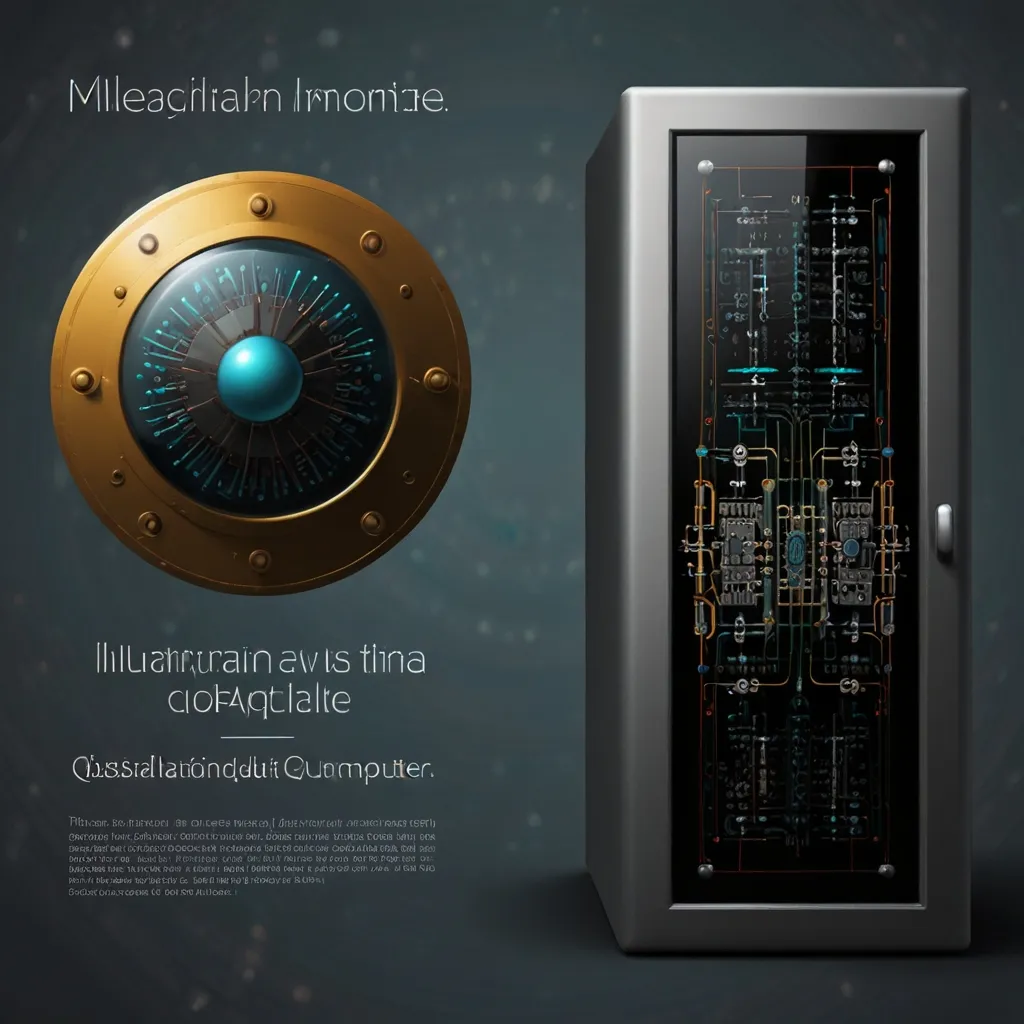
Computers are an essential part of modern life. We rely on them for tasks like studying, banking, and shopping. However, there’s a new kind of computer that holds the promise of transforming our world: the quantum computer. Unlike traditional computers, quantum computers could revolutionize fields such as medicine, communication, encryption, and artificial intelligence. Big companies like Google, IBM, and Microsoft are heavily investing in this groundbreaking technology. But what makes quantum computers so different from classical ones, and how do they work?
To begin, let’s understand how a classical computer operates. Both classical and quantum computers need essential components like power supplies, storage (hard drives or SSDs), RAM for faster data access, CPUs for processing, and motherboards to connect everything. However, the main difference lies in the CPU. Classical CPUs use transistors, functioning as binary bits with values of 1 or 0, representing an “on” or “off” state.
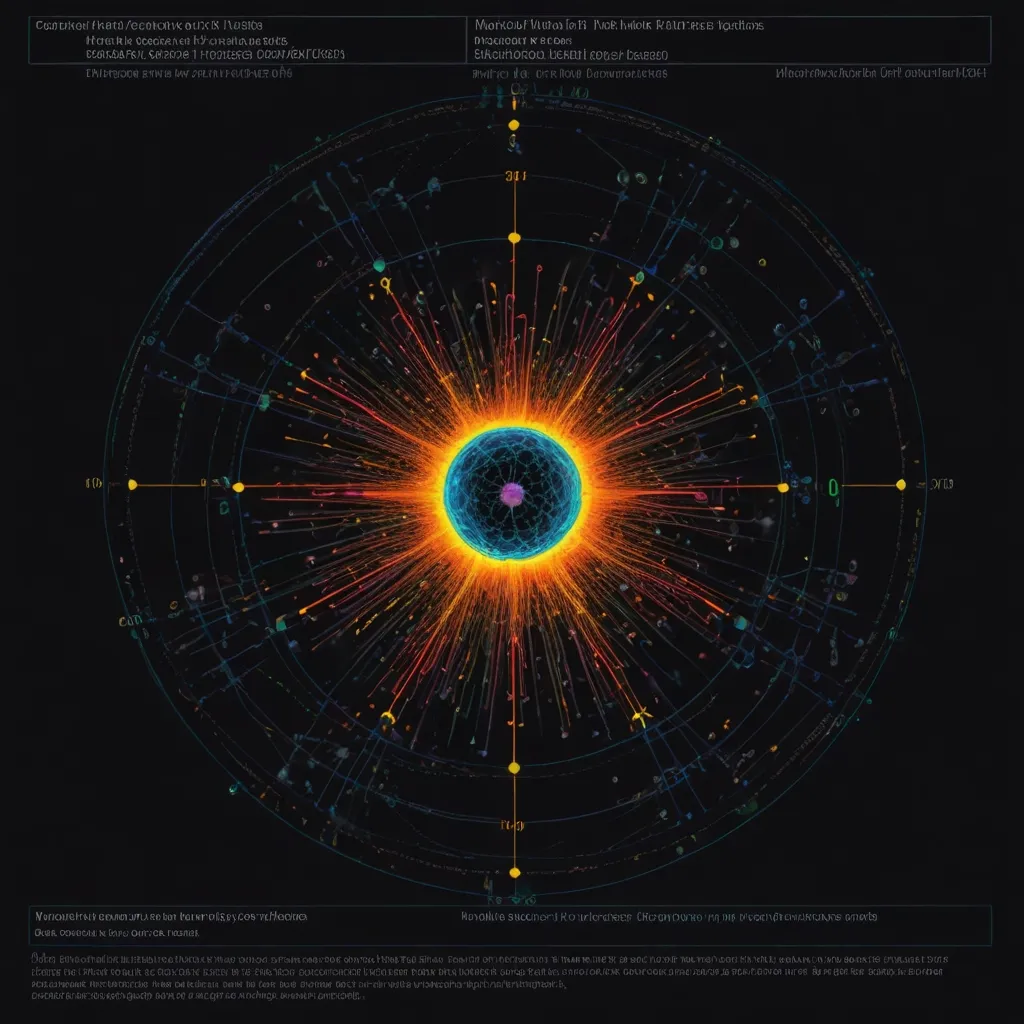
Quantum computers operate using qubits instead of binary bits. A qubit represents both 1 and 0 simultaneously, thanks to a quantum phenomenon called superposition. This property allows qubits to exist in multiple states at once. For instance, an electron in superposition can spin clockwise and counterclockwise at the same time. This is illustrated using a sphere, where a classical bit is like two points on the sphere, and a qubit can be anywhere on the sphere’s surface, representing a vast range of possible values.
The power of quantum computing lies in its ability to process multiple inputs simultaneously. While a classical computer would take a long time to find a particular outcome by checking each possibility one by one, a quantum computer can explore many possibilities at once. For example, finding a specific name from a phone number in a classical computer requires checking potentially millions of entries. A quantum computer could achieve this in significantly fewer steps due to its parallel processing capability.
Building functional quantum computers is a monumental challenge. They must be isolated from external interference to maintain superposition and require extremely low temperatures—near absolute zero—to prevent thermal energy from disrupting qubits. Additionally, qubits need to interact quickly and efficiently with each other, which demand highly specialized infrastructure.
Despite these challenges, the immense potential of quantum computers makes them worth pursuing. They could solve complex problems in seconds that would take classical computers years. Although the technology is still in the developmental stages, it holds the promise of a future where we can tackle currently unsolvable issues with ease.
Continue to stay informed about advancements in this transformative technology, and you’ll be ahead in understanding the future of computing.