Is AI a Doomsday Device or Just a Better Calculator?
Unveiling the Mysteries and Myths Surrounding Artificial Intelligence

You’ve probably heard it from various influential figures: Artificial Intelligence (AI) is on the verge of taking over the world and could spell the end of humanity. Are these predictions a sensible warning or just paranoia about a harmless technology? The primary issue is that very few people understand how AI works, and the unknown often breeds fear.
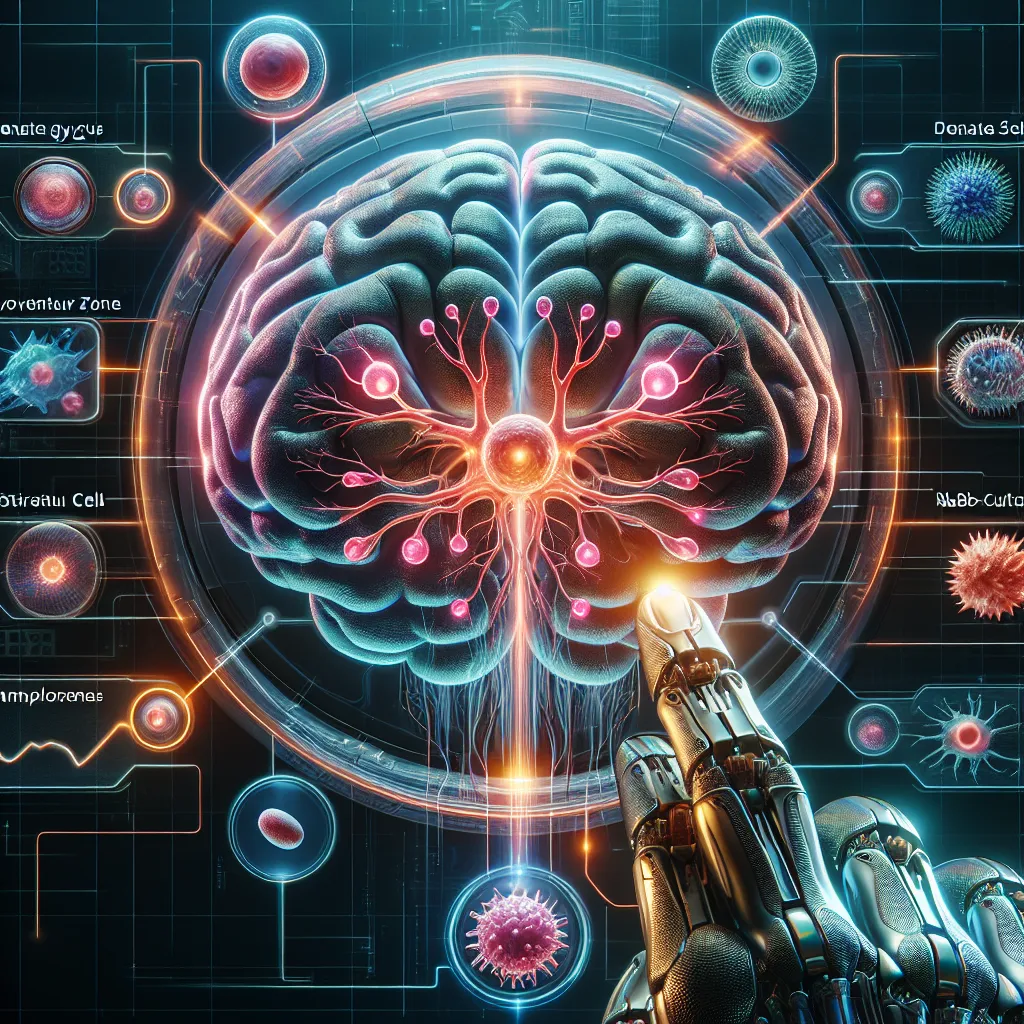
The reality is, AI, at its core, is not as mysterious or alarming as it’s made out to be. Artificial Neural Networks, the backbone of AI, are essentially complex mathematical equations. Though the term “neural network” draws a parallel to the neurons in our brain, the comparison is limited to their networked structure, not their functionality. Biological neurons are far more advanced.
In a neural network, each artificial neuron acts like a simple processor. Inputs are received, processed through specific functions, and then an output is generated, which can be passed to another neuron. This networking of neurons enables AI to perform complex tasks.
To simplify, think of an artificial neuron using a basic equation from elementary school: inputs (X) are multiplied by weights (W), a bias (B) is added, and an output (Z) is generated. Training the AI involves adjusting these weights and biases to produce correct results from various inputs.
For example, deciding if you can afford a cup of coffee with a specific amount of money involves adjusting these parameters until the system consistently gives the right answer. While this might seem straightforward, more complex tasks, like determining a mortgage loan amount, require more nuanced processing. This is where activation functions come into play, adding the necessary complexity to handle non-linear decision boundaries.
Despite the intricacies of these systems, there is an essential element that remains somewhat opaque: hidden layers. These intermediate layers perform transformations that are not directly observed or understood, acting as a black box. While this might seem worrisome, it’s essential to note that AI systems only do what they are trained to do. They can’t independently decide to take over the world unless programmed to engage in harmful activities.
The genuine concern with AI lies in its potential to replace human jobs. As AI becomes more capable, millions of jobs could be at risk. However, it will likely also create new jobs and improve many existing ones. The notion of AI becoming self-aware and dangerous, akin to Skynet from “The Terminator,” is currently unfounded.
In conclusion, while AI poses significant challenges, especially concerning employment, it is not the existential threat some make it out to be. It’s a powerful tool that, when managed properly, can substantially benefit humanity. So, no need to lose sleep over AI just yet.