Are You Gambling With Your Health By Mixing These Common Meds?
When Medicine Fights Like Wildfire: Unseen Dangers in Everyday Drug Interactions
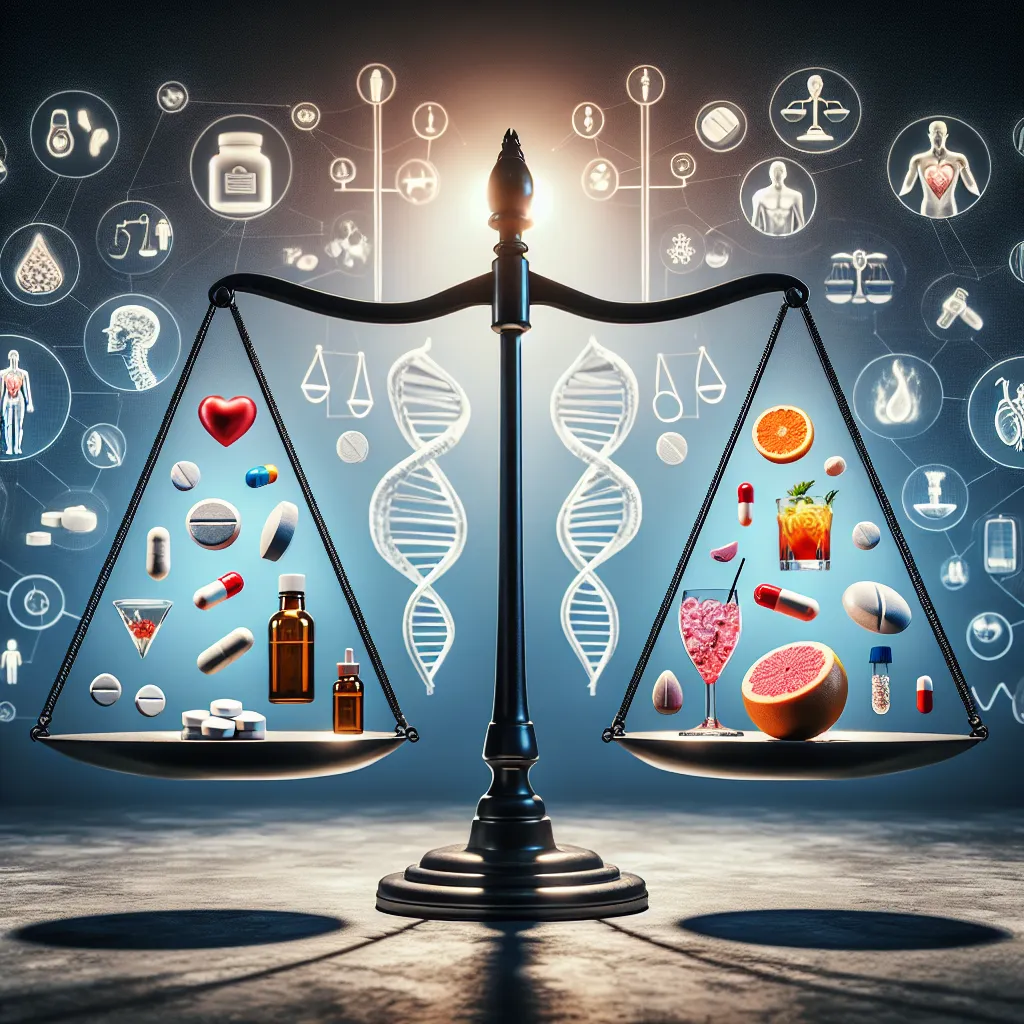
Who’s taking more risks: the person mixing their cholesterol meds with grapefruit juice, the one popping Acetaminophen for an ankle pain before hitting the bar, or the one on blood thinners taking aspirin for a headache? Surprising as it may be, all three are teetering on the edge of danger. These scenarios might lead to severe complications like kidney failure, liver damage, or internal bleeding.
Drug interactions happen when a drug and another substance combine to create different effects than when taken alone. These interactions can come from foods, supplements, legal drugs, and illegal substances. They usually fall into two main types: direct influence between the effects of two substances, or one substance affecting how the body processes another.
Take blood thinners and aspirin, for instance. Their combined effect is risky. Both prevent blood clots, but in different ways. Blood thinners stop the formation of clotting factors, and aspirin stops blood cells from clumping. Together, though, they could prevent clotting too much, causing internal bleeding.
Even more alarming are interactions between already harmful substances. Mixing cocaine, a stimulant, and heroin, a depressant, is a fatal gamble. Cocaine increases heart rate and oxygen demand, while heroin slows breathing. The body becomes oxygen-starved, straining organs and possibly causing respiratory failure.
Cholesterol-lowering statins and grapefruit juice clash due to drug metabolism. The liver uses enzymes to break down substances. Grapefruit juice hogs the enzyme statins need, meaning more of the drug stays in the bloodstream too long, risking kidney failure.
Alcohol messes with enzyme function, too. When combined with Acetaminophen, like in Tylenol, the enzyme produces more toxic byproducts, potentially harming the liver even at safe doses of the drug. Meanwhile, the herbal Saint John’s Wort speeds up certain enzymes, breaking down some drugs too fast for them to work properly.
Despite the many possible interactions, the dangerous ones involving common drugs are well-known. We’re getting better at tracking these interactions thanks to advancements in science. Researchers are using AI to predict side effects before they occur, studying protein interactions within the body. Supercomputers help identify potential issues as new drugs are developed, making our pharmaceutical landscape a bit safer.