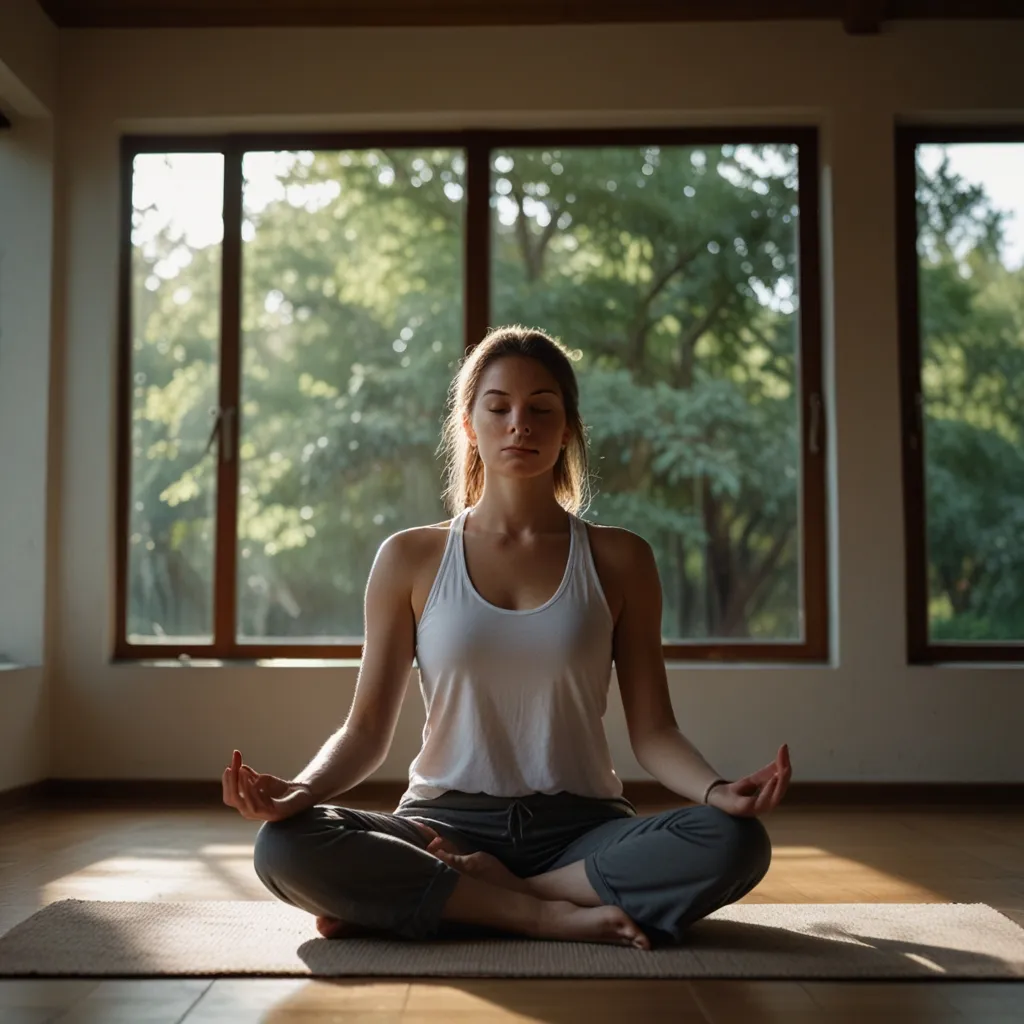
Meditation: Easy Techniques for Stress Reduction and Wellness
Meditation has gained widespread acceptance among both scientists and the public for its numerous benefits. It’s a proven way to reduce stress, lower blood pressure, boost overall well-being, and enhance performance. Some studies even indicate that meditation might extend your lifespan. The challenge is that many people don’t practice it regularly. Often, they feel daunted by the idea of learning complicated sitting positions or specific yoga moves. Others are simply unsure where to start.
Here’s the good news: you can learn a simple yet effective ancient meditation technique in just two minutes. Ideally, try meditating in the early morning or late evening, but avoid doing it right after a meal. Wait for about 2 to 3 hours after eating. Consistency is key, so choose a quiet spot where you won’t be disturbed, preferably near a window.
Start by sitting comfortably on a chair with a straight back. Unlike what you might have seen, you don’t need to sit on the ground or twist your legs into complex positions. Place your forearms and hands loosely on your thighs with your palms facing upwards. No need to press your thumb and fingers together like you might have seen on TV, and there’s definitely no need to make any sounds or raise your arms.
Close your eyes entirely or keep them half-closed—do whatever feels most comfortable. Fix your inner gaze on a point between your eyebrows, and take a slow, deep breath, counting mentally up to 10. Hold your breath for the same count, and then exhale, counting mentally up to 10 again. Repeat this process five times.
After completing this breathing exercise, close your eyes and just sit quietly. Observe the natural rise and fall of your breath, imagining it as the gentle ascent and descent of ocean waves. As your mental turbulence calms, the waves will slow down, and you’ll feel more peaceful and tranquil. Stay in this state for as long as your schedule allows. If your mind starts to wander, don’t get frustrated—just gently guide it back to the flow of your breath.
Congratulations! You’ve now learned a meditation technique that has been practiced by yogis for thousands of years. Consistent practice can lead to incredible improvements in your physical and mental well-being. Try it for a week and see the positive changes for yourself.