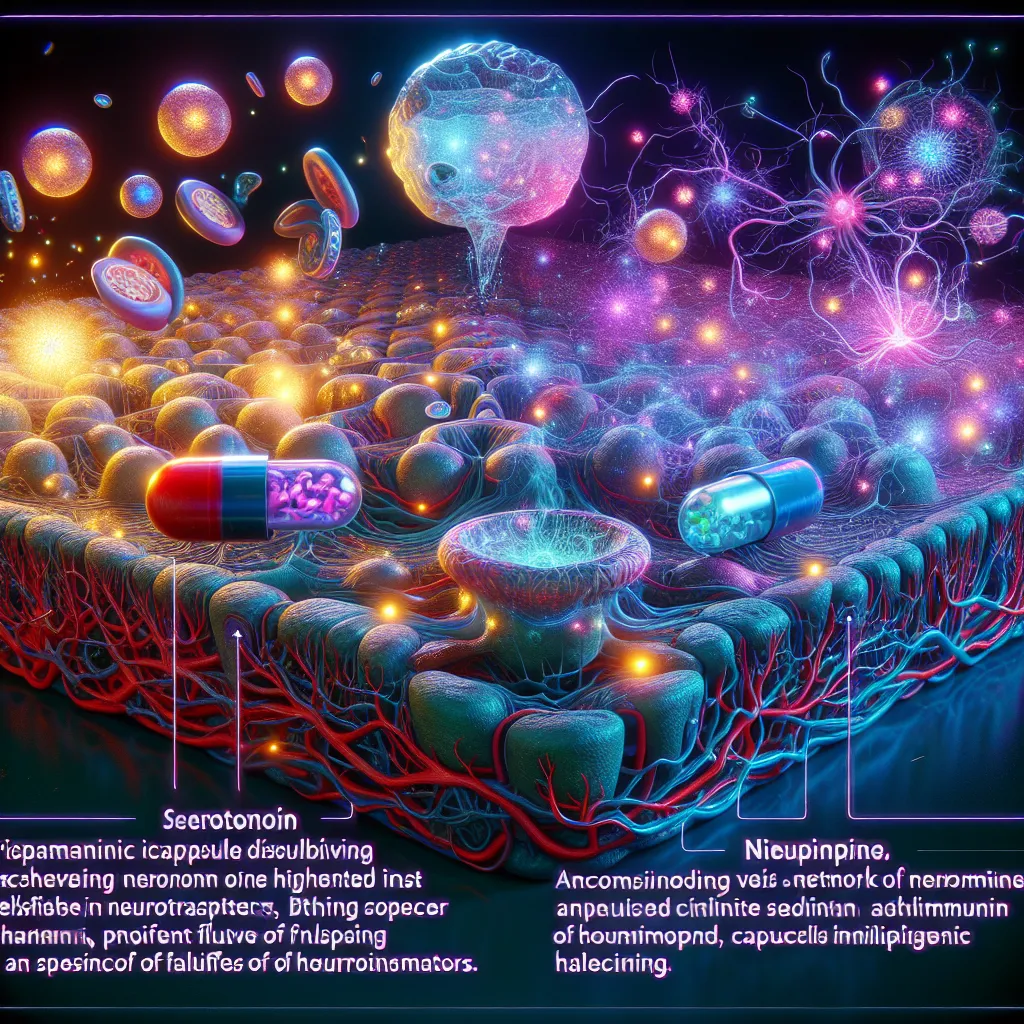
Is Your Doctor an AI in Disguise? Discover How Machines Learn to Heal Us!
The Enigma of Self-Learning Machines: Unpacking AI’s Mystifying Mastery in Modern Fields
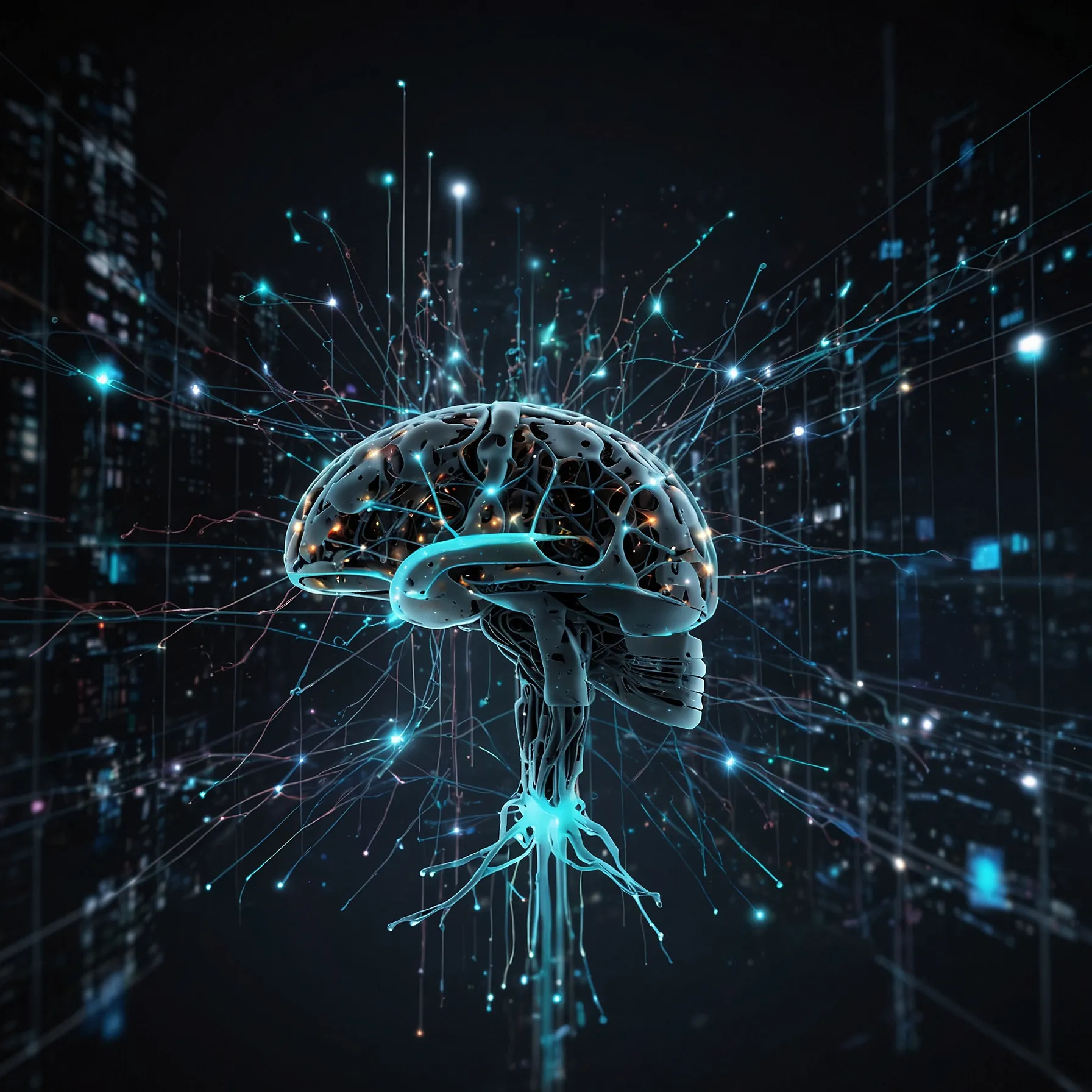
Today, artificial intelligence is revolutionizing fields like medicine, aviation, and urban planning. Whether it’s helping doctors diagnose patients, assisting pilots, or predicting city traffic, the magic lies in how these AIs function. However, even the scientists who design these systems often don’t fully understand their operations. This is primarily because many AIs learn on their own, starting from a basic set of rules and developing their own strategies.
So, how does a machine learn? There are three main types of machine learning: unsupervised learning, supervised learning, and reinforcement learning. To illustrate, let’s consider researchers working with a vast dataset of patient profiles.
First, there’s unsupervised learning. This method is great for sifting through patient profiles to find general patterns and similarities. Imagine finding that certain patients share common symptoms or that a specific treatment has predictable side effects. This technique doesn’t need human guidance; the AI autonomously identifies these broad patterns.
Next, consider doctors who aim to diagnose a specific condition. They gather data, such as medical images and test results from both healthy and sick patients. This data is fed into a program that identifies features unique to sick patients. Based on how often these features appear, the program assigns diagnostic values and creates an algorithm. Here, doctors are involved in validating the program’s accuracy, a process known as supervised learning.
Now, say these doctors want to develop a treatment recommendation algorithm. Since treatment plans evolve based on patient responses, they turn to reinforcement learning. This method uses continuous feedback to determine which medications and dosages work best, customizing treatment plans for each patient. The program updates treatments as new data rolls in, constantly improving its recommendations.
While none of these learning techniques are inherently superior, each has its own strengths and weaknesses. Unsupervised learning is great for broad pattern recognition without guidance, supervised learning benefits from human validation, and reinforcement learning excels in developing adaptive strategies. Combining these approaches can create highly advanced AI systems.
For instance, an unsupervised learning program could identify patient groupings and share that data with a supervised learning program to improve diagnostic predictions. Alternatively, multiple reinforcement learning programs could simulate patient outcomes and refine treatment plans accordingly. Some of the most promising AI models mimic neural networks in the brain, leveraging millions of connections to handle tasks like image recognition, speech recognition, and language translation.
As these AI models become more sophisticated, their decision-making processes can become opaque, even to their creators. Researchers are actively looking for ways to make machine learning more transparent. In our AI-driven future, ensuring these systems operate ethically is crucial, especially as they take on more roles in our daily lives.
So, as machines continue to learn, investigate, and communicate, we must also teach them to teach each other—and to do so ethically.