Are You Ready to Unravel the Untold Stories of Millions Forced to Flee?
Journeys of Survival: Human Stories Beyond Borders and Boundaries
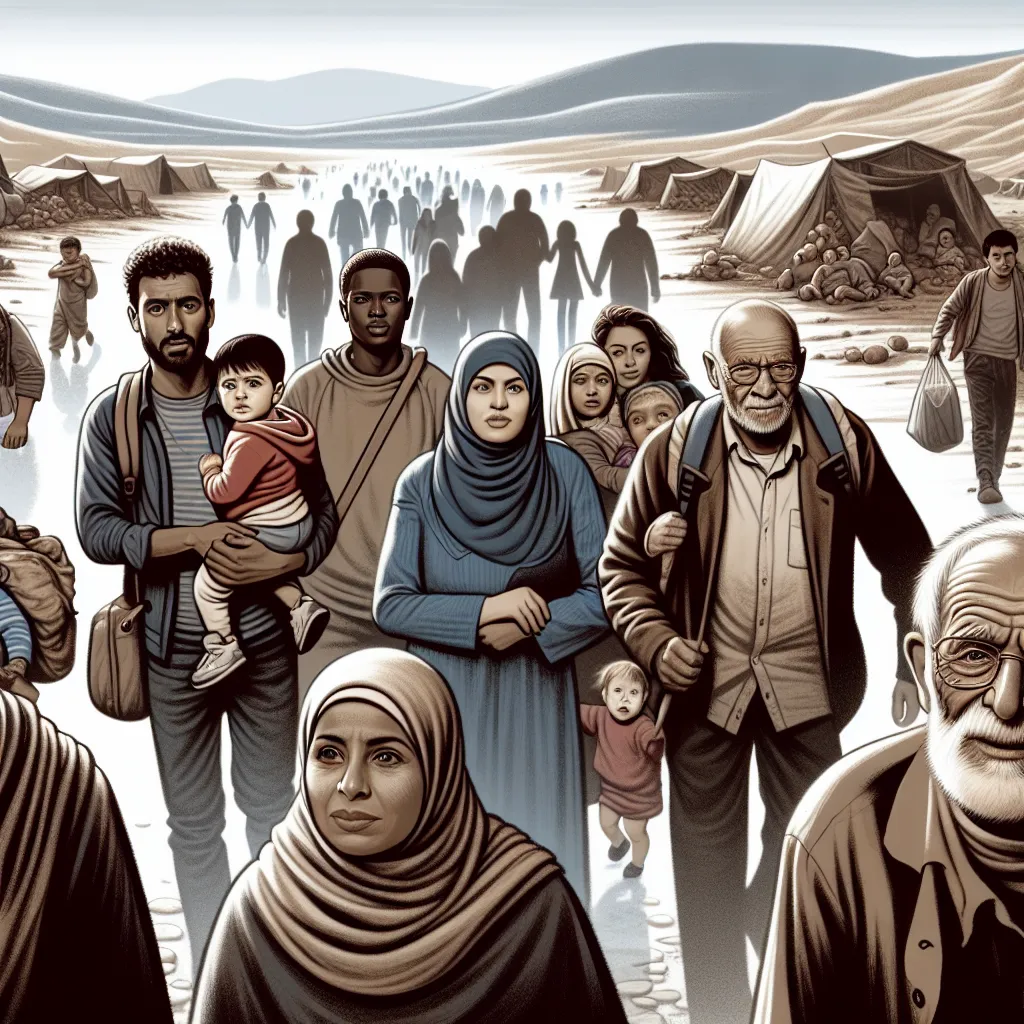
Around the world, around 60 million people have had to leave their homes due to war, violence, and persecution. Most of these individuals remain within their own countries and are known as internally displaced persons. Others cross borders and seek refuge in other countries, which leads them to be called refugees.
The term “refugee” has been around for a long time, but its modern definition came from the UN’s 1951 Convention. This definition was crafted in the aftermath of World War II and identifies a refugee as someone who is outside their home country and cannot return due to legitimate fears of persecution. This persecution might be due to their race, religion, nationality, social group, or political opinion.
Today, about half of the world’s refugees are children, and many are unaccompanied, making them especially vulnerable. Each refugee has a unique story, often involving perilous journeys with uncertain outcomes.
There’s often confusion between “migrant” and “refugee.” Migrants typically leave their countries for reasons not related to persecution, like seeking better economic opportunities or escaping natural disasters. International law, however, only recognizes those fleeing conflict and violence as refugees.
Refugee journeys are typically long and dangerous, with limited access to basic necessities such as shelter, water, or food. Departures can be sudden, and many refugees lack the necessary documents for legal travel. This forces them to rely on smugglers and risky routes. While some make these journeys with family, others travel alone, hoping to reunite with loved ones later.
Many refugees first find shelter in camps, often managed by the United Nations Refugee Agency or local authorities. These camps are meant to be temporary, but prolonged conflicts and limited resettlement options often mean that refugees may stay in these camps for years or even decades.
In a new country, refugees apply for asylum and are then called asylum seekers until their status is approved. Host countries have the responsibility to examine asylum requests and decide on refugee status, which can vary greatly from one country to another. Host countries are expected to treat refugees fairly and ensure they are not sent back to places where they face danger, a principle known as non-refoulement.
Unfortunately, in practice, refugees often face discrimination and xenophobia. They may have difficulties integrating into their new communities, finding work, or accessing education. This makes their attempts to rebuild their lives even more challenging.
Looking into our own family histories, many of us would find ancestors who were also displaced at some point. Their stories remind us of the struggles faced by current refugees, who are searching for a new place to call home.