science

Could AI Someday Become Truly Conscious?

Exploring Consciousness: The Enigma and Potential of Future AI
Could AI Someday Become Truly Conscious?

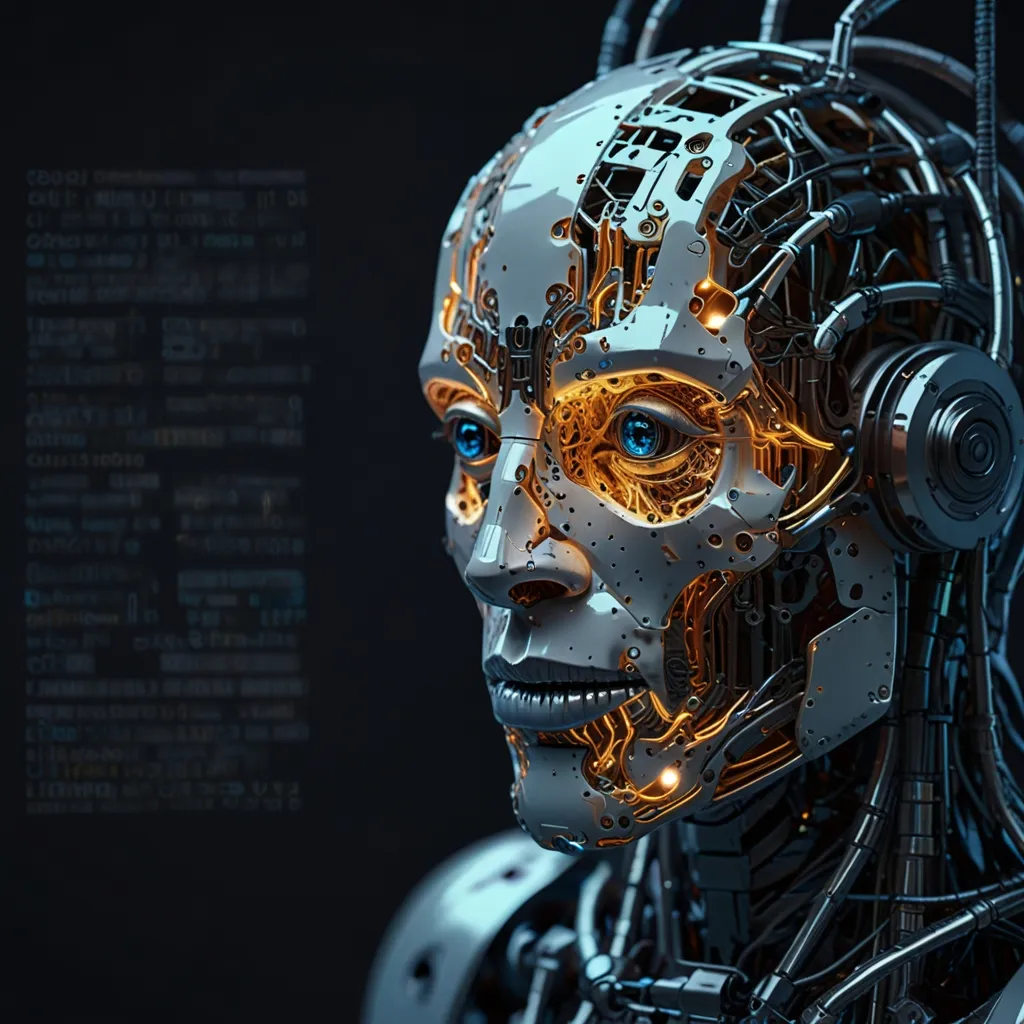
No one has created an AI that can be considered conscious. While we might soon develop AI systems and robots that act convincingly, this would really be a form of deep fake using today’s information technology.

But what about the future? Some argue that it’s feasible to imagine making electronic circuits, like artificial neural networks, with as many connections and nodes as there are between real neurons in the human brain. If that’s the case, why should an artificial system lack any of the capacities of our brain, including consciousness?

Most scientists and many philosophers believe that consciousness arises out of the physical and chemical laws governing our neurons. It doesn’t require any mystical special sauce. If that’s true, why should consciousness remain absent in computer simulations that capture all the relevant physics and chemistry of our brains?


Similar Posts
Blog Image
Could We Run the Government by Lottery?

Imagining Governance by Lottery: Reviving Athenian Democracy for Today's World

Blog Image
Unraveling Life's Mysteries: From Microscopic Cells to DNA's Cosmic Origins

Cells and DNA: From microscopes to genetic code. Scientists' curiosity led to groundbreaking discoveries about life's building blocks. Exploring cell structure, DNA's double helix, and cosmic origins revolutionized our understanding of biology and evolution.

Blog Image
Did Giants Once Walk Between Ireland and Scotland?

From Lava and Legends: A Giant's Tale of Rock Bridges and Clever Ruses

Blog Image
Is the Universe Racing Towards Another Big Bang?

Cosmic Orchestra: Dark Energy's Role in the Ever-Accelerating Symphony of the Universe

Blog Image
Could Victorian Women Defy Society and Explore the World?

Courageous Victorian Women Who Redefined Exploration Despite Societal Constraints

Blog Image
What Happens to the Futures We Don't Choose in the Quantum World?

Quantum Worlds Unraveled: From Superpositions to Classical Reality and the Dance with Time