Could You Inherit Superpowers by Absorbing Another Creature?
When Cells Became Roommates: The Evolutionary Leap That Changed Everything
What if you could absorb another organism and gain its abilities? Imagine swallowing a bird and suddenly being able to fly, or engulfing a cobra and getting the power to spit venom. While this sounds like sci-fi, something similar has happened throughout the history of life on Earth. About 2 billion years ago, only simple, single-celled organisms, called prokaryotes, existed. They lacked complex structures, but they found ingenious ways to evolve.
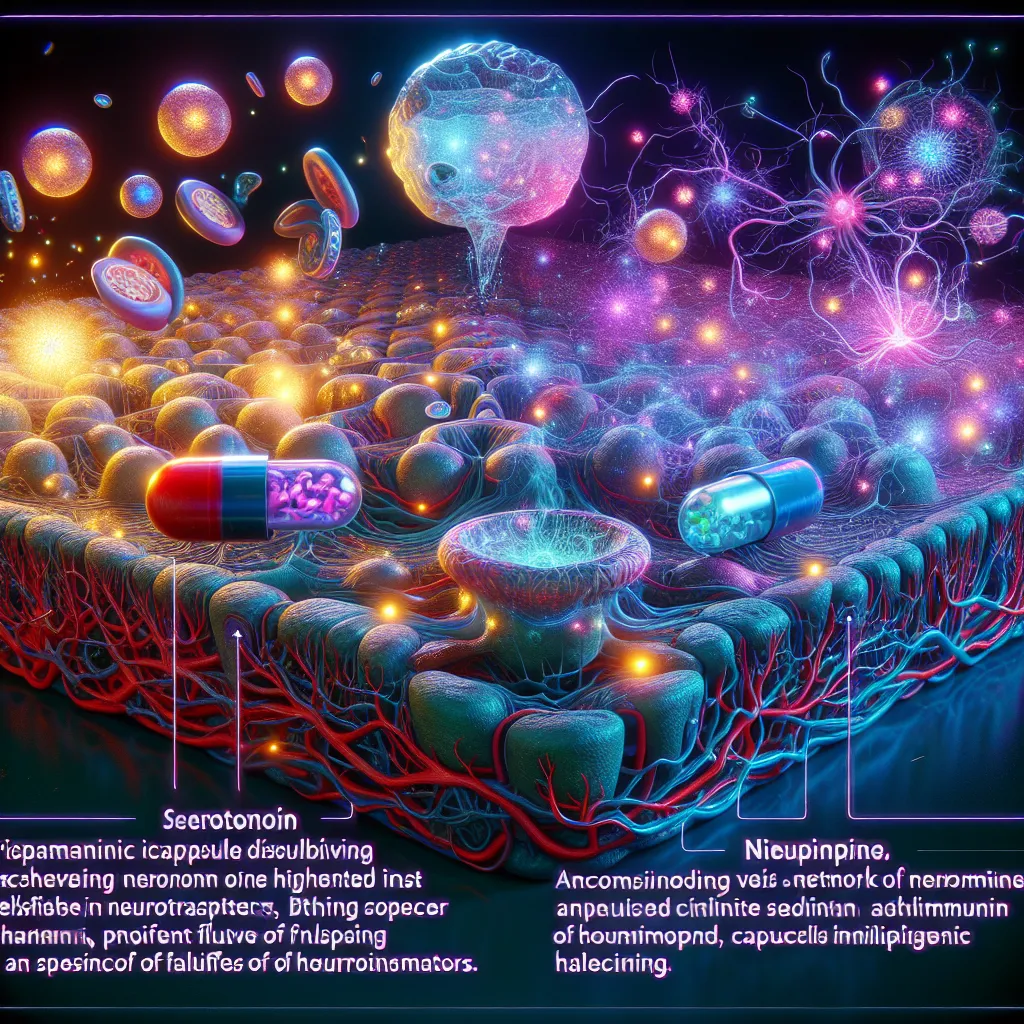
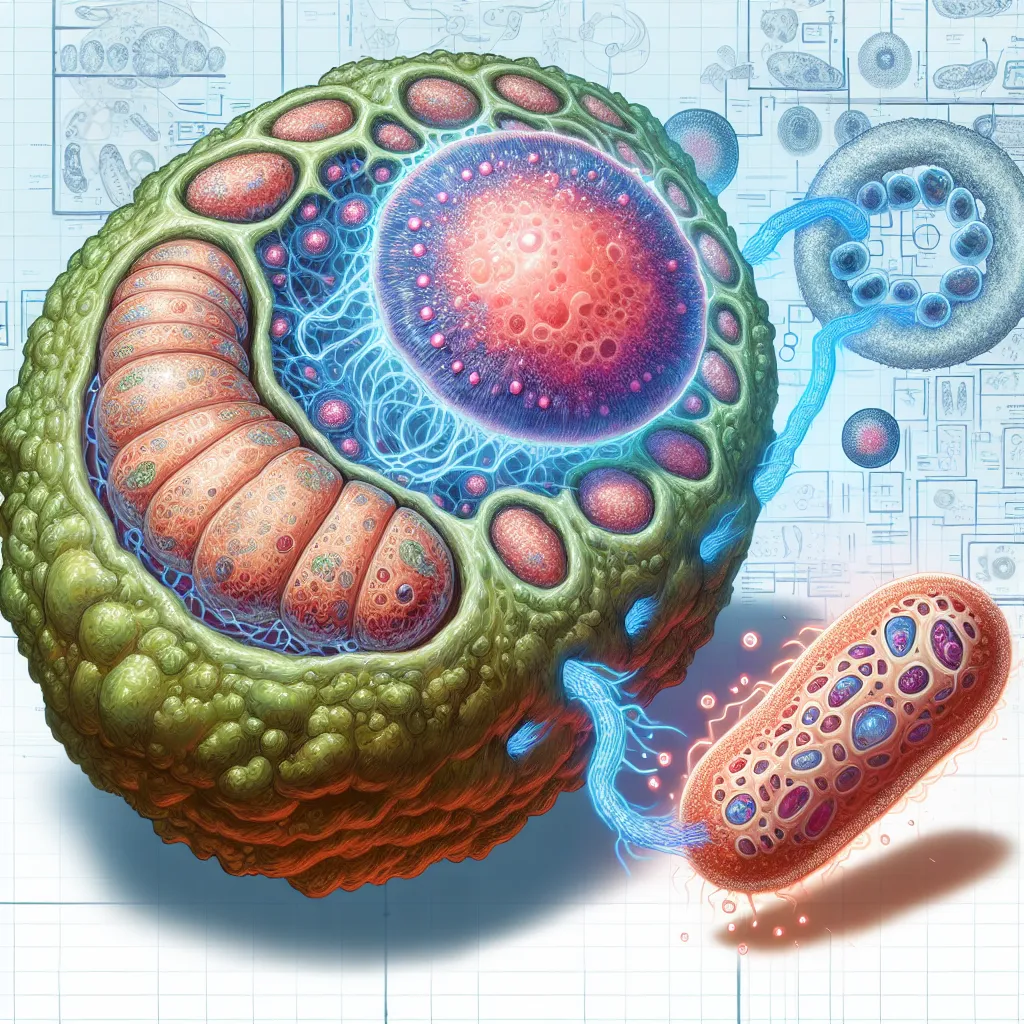
Picture three types of these early cells: one was a big blob-like cell that could absorb others, another was a bacterial cell capable of photosynthesis, and the third used oxygen to break down sugar molecules for energy. Sometimes, the blob-like cells absorbed the photosynthetic bacteria. Instead of digesting them, they coexisted, with the bacteria living inside the blob. This arrangement made it look like a single organism, much like how our organs function inside us. This is called endosymbiosis—one organism living inside another.
But it didn’t stop there. If the oxygen-using bacteria also joined this cellular party, the result was highly complex cells full of intricate structures called chloroplasts and mitochondria. These structures harnessed sunlight to make sugar and broke it down using oxygen, adapting to the changing environment. This illustrates the endosymbiotic theory, explaining how complex cells evolved.
There’s strong evidence supporting this theory. First, just like ancient bacteria, chloroplasts and mitochondria multiply on their own. Destroy them in a cell, and no new ones will appear because the cell itself can’t make them. They can only replicate themselves. Second, both chloroplasts and mitochondria have their own DNA and ribosomes, which resemble those of ancient bacteria more than the ones found in the rest of the cell. Their circular DNA and unique genes are nearly identical to those ancient prokaryotes.
The membranes are another clue. Chloroplasts and mitochondria are encased in two membranes. When these bacteria were engulfed, they retained their own membrane as the inner layer and got an outer layer from the blob cell. Specific lipids and proteins in these membranes match those of ancient bacteria.
Biologists use this theory to explain the diversity of eukaryotic life forms. Take, for instance, the green algae on swimming pool walls. When a larger eukaryotic cell absorbed such algae, it resulted in euglena, an organism capable of photosynthesis, sugar breakdown, and swimming. Euglena’s chloroplasts have three membranes, fitting perfectly with the theory.
Endosymbiosis allowed organisms to combine abilities, leading to better adaptation to Earth’s conditions. It sparked an evolutionary leap that birthed the rich variety of microorganisms, plants, and animals we see today.