Did Democracy Almost Ruin Ancient Athens?
Athenian Daybreak: Love, Plague, War, and a Race Against Time
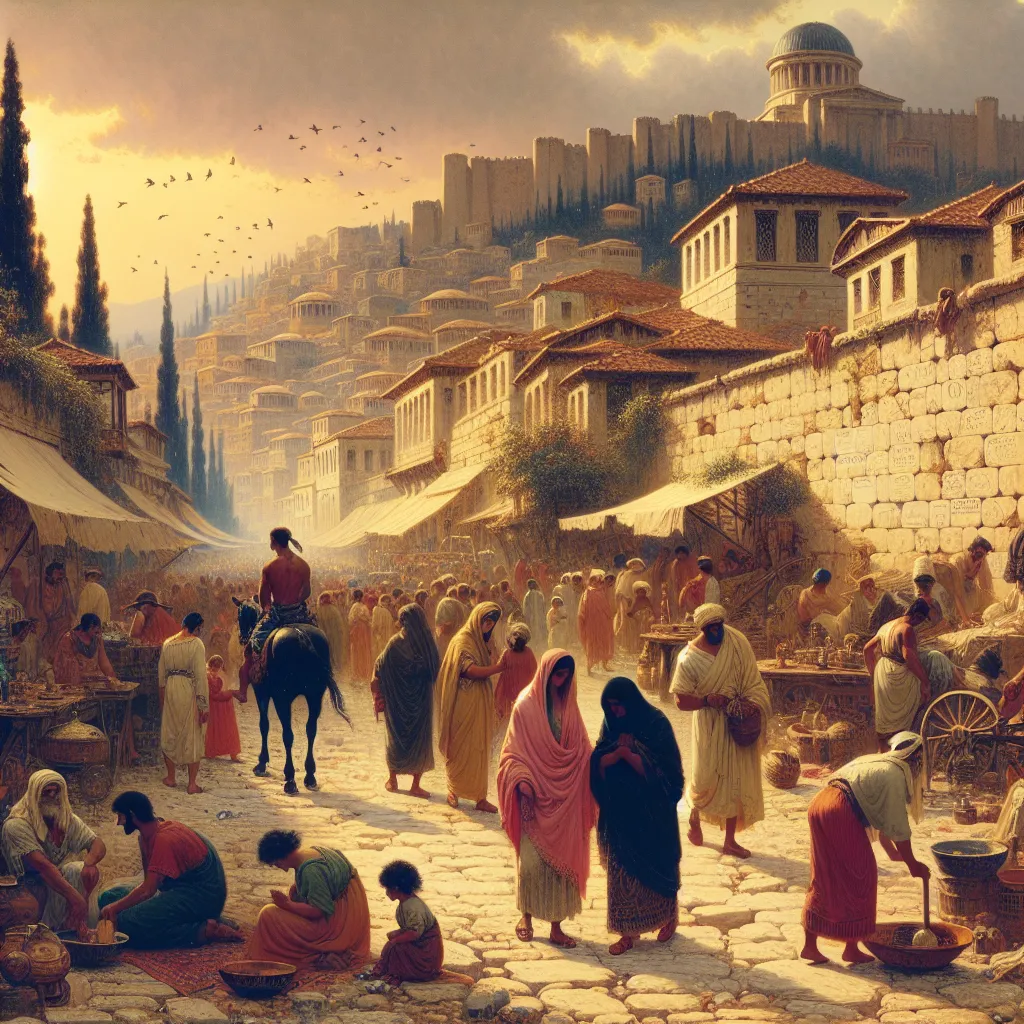
It’s 427 BCE, and the Peloponnesian War is raging between Athens and Sparta. The conflict has been going on for four years, and the situation in Athens is dire. The Athenians can’t compete with Sparta’s powerful army on land, so they’ve taken refuge within the city’s walls, relying on their superior navy.
Life inside the crowded city is tough. A recent plague wiped out a third of the population, yet the Athenians try to carry on. Archias and Dexileia live in central Athens. Archias is a potter who does well enough to follow city affairs closely. Dexileia stays home, barred by societal norms from participating in politics or owning property. Luckily, three of their four children have survived past infancy, a rare blessing in these harsh times.
The family owns slaves from Thrace, captured in wars. Thratta handles most of the household chores and helps with the children. Philon, the paidagôgos, supervises their son’s education, teaching him to read and write. Life for the children is a blend of domestic learning for the girls and formal education for the boy.
Archias wakes early today for a meeting of the Ekklêsia, or citizen assembly, which starts at dawn. He performs a brief ritual at the household shrine before heading out. Dexileia stays home, continuing domestic lessons with her daughters.
At the agora, the city’s bustling civic center, Archias joins a throng of citizen-soldiers. The main topic today is the fate of Mytilene, a city that recently revolted against Athenian rule. The citizens gather on the Pnyx, a crowded hill where the assembly meets.
The meeting opens with a call for speakers, and one by one, citizens voice their opinions. A motion to execute all Mytileneans and enslave their women and children gains support. Despite the heated arguments, a majority vote in favor.
After the assembly, Archias returns to the agora, where citizens argue over the brutal decision. Later, he shares the news with Dexileia, who thinks the punishment is overly harsh. That evening, Archias attends a symposium where he and his friends debate the decision, many agreeing with his wife’s call for mercy.
As dawn approaches, something unprecedented happens: heralds announce a second assembly. The new meeting debates fiercely but ultimately decides only the leaders of the revolt should be executed. However, there’s a catch—the execution order from the first vote has already been sent. A second ship is dispatched to try and countermand it—a desperate race against time to correct the course of democracy.