Throughout our lives, our bodies undergo countless changes: growth spurts, puberty, and for many, reproduction. Behind all these transformations is the endocrine system, a silent operator that regulates everything from sleep to heartbeats by impacting every cell in your body.
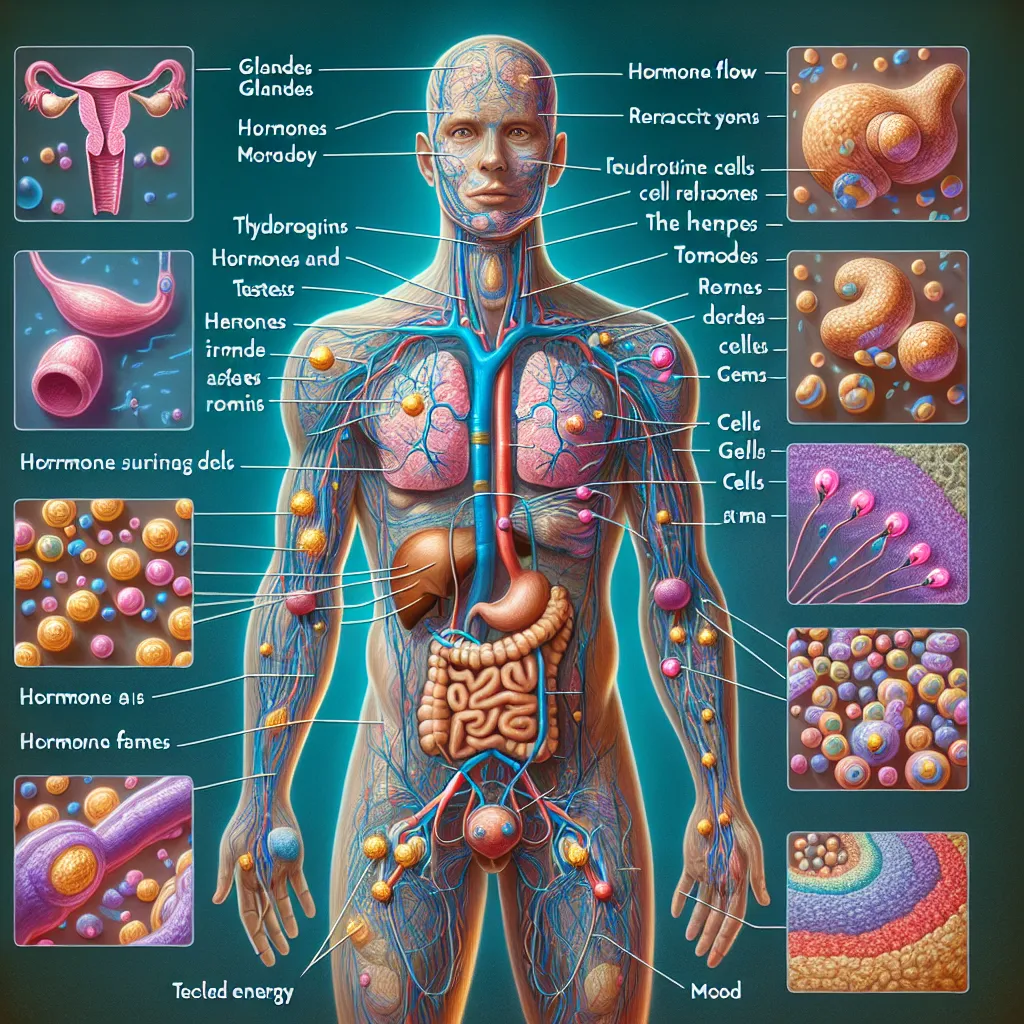
The endocrine system relies on three main components: glands, hormones, and cell receptors. There are several hormone-producing glands scattered throughout our bodies, including three in the brain and seven elsewhere. These glands extract ingredients from the bloodstream to create hormones, which are then released in tiny, precise amounts. Once released, these hormones travel through the bloodstream to find target cells, leading to specific changes within those cells. Proteins known as receptors, found inside or on the surface of cells, help hormones identify their targets. When a hormone binds to its receptor, it triggers effects that can either increase or decrease various cellular processes.
Take the thyroid for instance. It produces hormones like triiodothyronine and thyroxine, which travel to most body cells to influence their energy usage and activity levels. This chain reaction governs everything from breathing rates to body temperature and digestion.
Hormones also shape some of the most visible changes during puberty. For boys, increased testosterone from the testes spurs sexual organ development, facial hair growth, voice deepening, and height increases. For girls, estrogen from the ovaries signals the body to prepare for adulthood, leading to changes like widened hips and a thickening womb lining for menstruation or pregnancy.
A common misconception is that hormones are strictly male or female. In reality, both men and women have estrogen and testosterone, just in different amounts. Both hormones, along with over ten others, play roles in pregnancy, ensuring fetal growth, enabling birth, and preparing mothers to feed their babies.
Hormonal changes often impact mood because they influence brain chemicals like serotonin. Shifts in these chemicals can lead to emotional changes. However, hormones are not the sole drivers of our behaviors; our brains, neurotransmitters, and social factors also play significant roles.
The primary function of the endocrine system is to keep our bodily processes in check, not control us. Factors like disease, stress, and diet can disrupt this balance, affecting how much hormone is produced or how cells respond. For instance, diabetes occurs when the pancreas produces too little insulin, impacting blood sugar levels. Hypo- and hyperthyroidism result from too little or too much thyroid hormone, causing symptoms ranging from fatigue and depression to weight loss and irritability.
Most of the time, the endocrine system successfully maintains our body’s balance, guiding the changes that define who we become.