science

What Happens When Three Bombs Join Forces?

Harmonizing Chaos: The Symphony of Destruction in a Hydrogen Bomb
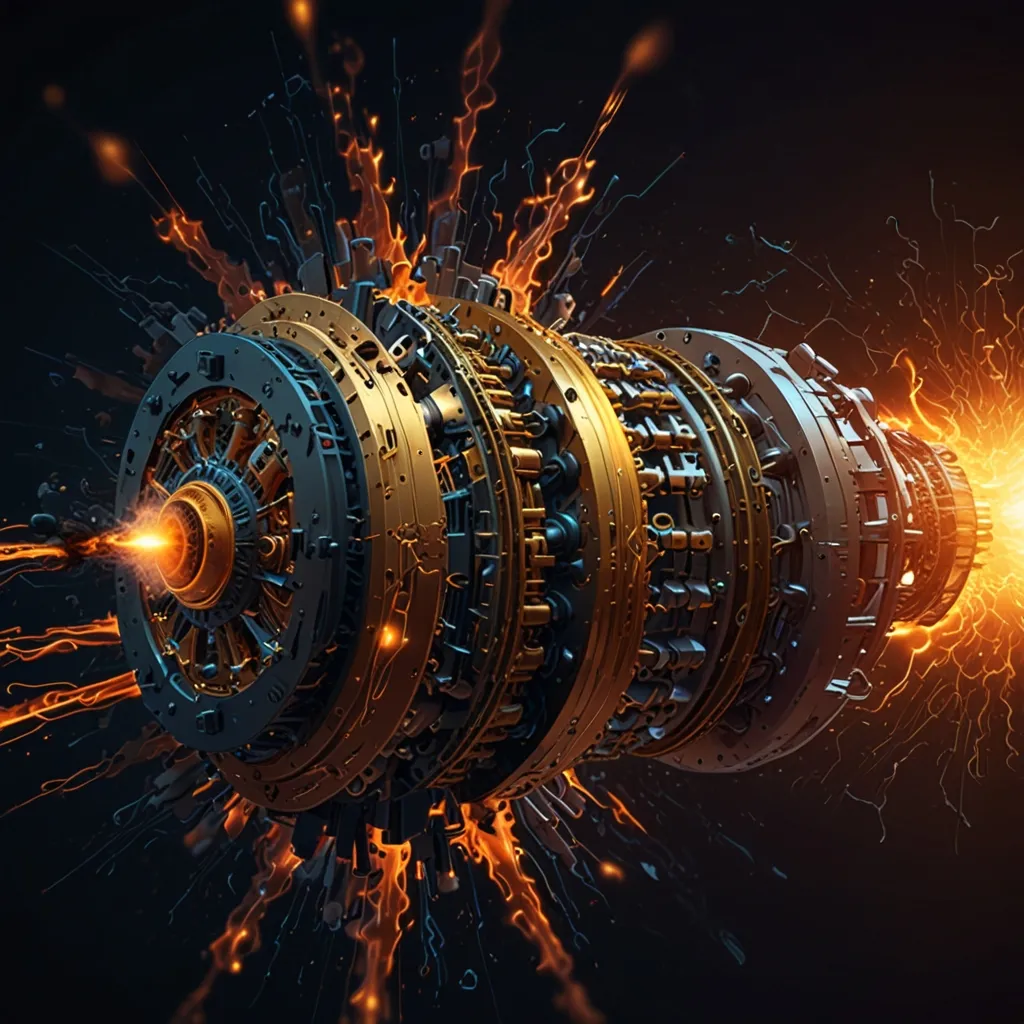
What Happens When Three Bombs Join Forces?

A hydrogen bomb is essentially a combination of three bombs working together: a traditional chemical bomb, a fission bomb, and a fusion bomb. These three elements collaborate to create an immensely destructive force.

First, the chemical bomb is set off, which then triggers the fission bomb. The fission bomb functions similarly to the one dropped on Nagasaki. When the fission bomb detonates, it uses conventional chemical explosives to implode a sphere of plutonium-239 or uranium-235. This implosion generates extreme heat and pressure.

Next, this intense energy causes the fusion component to kick in. Specifically, it compresses a fusion cylinder filled with lithium deuteride. Under these conditions, lithium deuteride reacts and releases tritium. Tritium and deuterium then combine to form helium and additional neutrons.

The newly generated neutrons prompt the uranium casing and the plutonium rod within the bomb to undergo even more fission reactions. This heightened fission generates additional pressure on the lithium deuteride from both the inside and outside.

As this process continues, the fusion reactions produce even more neutrons, perpetuating the cycle of fission and fusion. This positive feedback loop escalates, resulting in a colossal explosion that causes widespread devastation.



Similar Posts
Blog Image
Escape the Quiet Desperation: Transform Your Life with Five Mindset Shifts

Life transforms with mindset shifts: embrace the present, learn from interactions, prioritize self-care, find happiness in giving, and manage worries wisely.

Blog Image
Can the Elderberry Warp Drive Make Faster-Than-Light Travel a Reality?

Warp Drives: Riding Space-Time Waves to Theoretical Ultra-Fast Travel

Blog Image
Five Revolutionary Dating Methods That Transformed Archaeological Science and Rewrote Human History Forever

Discover 5 revolutionary archaeological dating methods that transformed our understanding of human history. From tree rings to DNA clocks, learn how scientists accurately date ancient artifacts and fossils. Explore now!

Blog Image
Supercharged Crops: Enhancing Plant Growth with Natural Growth Factors

Scientists explore nature's solutions to boost crop yields: phosphorus optimization, biostimulants, beneficial microorganisms, enhanced photosynthesis, and climate adaptation. These innovations promise sustainable, resilient agriculture for future food security.

Blog Image
Molecular Gastronomy: Science Meets Cuisine in Mind-Blowing Culinary Creations

Molecular gastronomy blends science and cooking, exploring food's physical and chemical changes. Chefs use lab tools to create innovative dishes, manipulating ingredients at a molecular level for new textures and flavors. It involves unconventional ingredients like liquid nitrogen and hydrocolloids. This approach enhances dining experiences, engaging all senses and influencing the food industry's approach to taste and nutrition.

Blog Image
What's Really Hiding in the Emptiness of Space?

The Myth of Empty Space: Even Nothing is Something