Who Led a Parade on Horseback to Change the Course of History?
Women Marching Forward: A Century-Old Struggle and the Fight for Equality
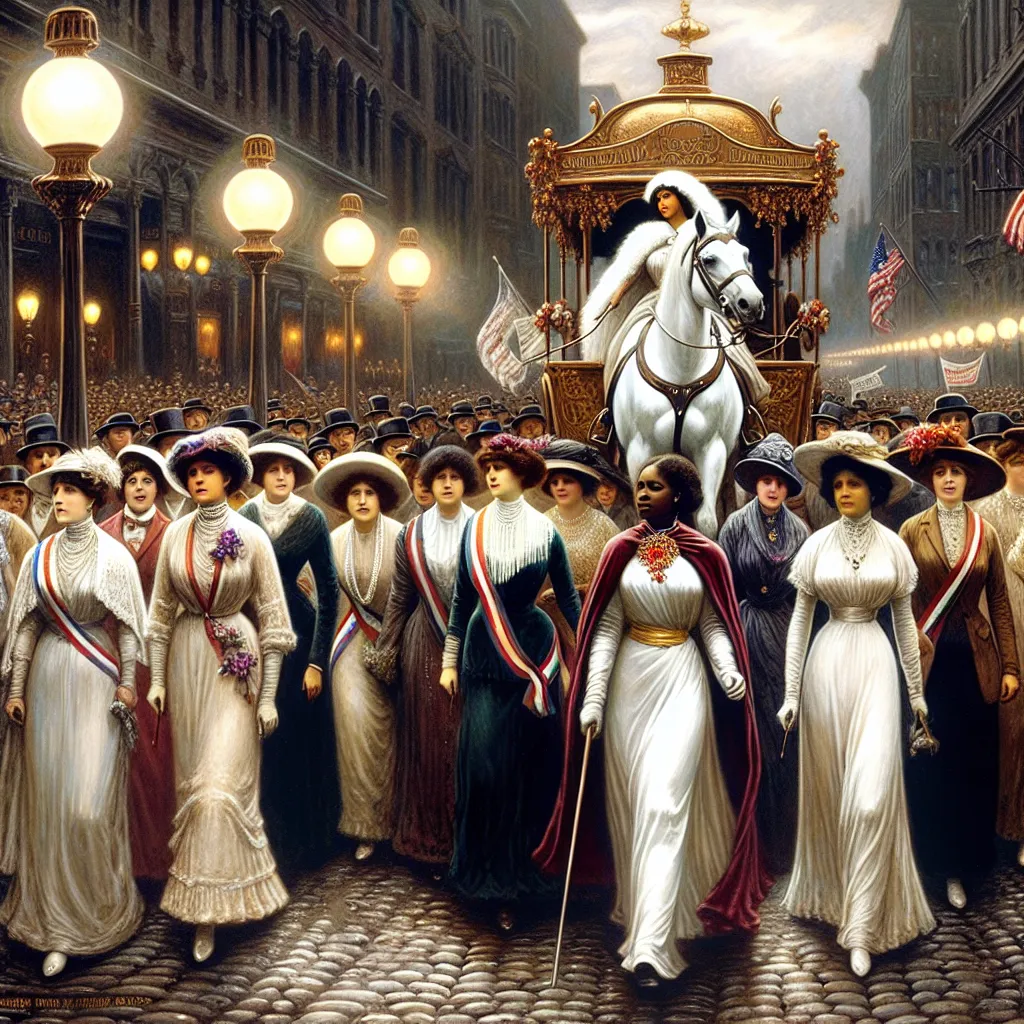
On March 3, 1913, the streets of Washington D.C. buzzed with an excited tension as women gathered for a historic event. Leading the Women’s Suffrage Parade was Inez Milholland, awe-inspiring in her flowing white cape, riding a white horse. This parade was the first large-scale national protest advocating for women’s right to vote, and it had been meticulously planned despite facing numerous hurdles.
By then, women’s rights activists had been striving for this cause for decades. Yet, their efforts had not yet resulted in substantial victories since 1896, when Utah and Idaho granted women the right to vote, bringing the total number of states to four. Women remained a disenfranchised group, living under laws they had no voice in shaping.
A wave of fresh energy swept the movement when Alice Paul took the stage. Inspired by the aggressive tactics of British suffragettes, Paul aimed to push for a constitutional amendment, streamlining the fight on a national level rather than piecemeal state efforts. With this strategy, she proposed a grand parade on the eve of President Woodrow Wilson’s inauguration to seize media attention and maximize impact.
Paul faced resistance from Washington authorities who wanted the parade confined to side streets, but she prevailed, ensuring the central route for the event. However, her plans largely catered to white women, marginalizing African American women by relegating them to the back of the parade.
But black women refused to be sidelined. Ida B. Wells-Barnett, a pioneering journalist and anti-lynching advocate, boldly marched at the front rather than the back. Mary Church Terrell, along with the founders of the Delta Sigma Theta Sorority from Howard University, also took their rightful place in the parade.
The procession itself was a spectacular sight, filled with international suffragists, artists, business-owners, and ornate floats symbolizing liberty and progress. Despite facing physical assaults and insults from an unruly mob, and with police failing to protect them, the suffragists continued their march. Over 100 women ended up hospitalized, but their courage and the brutality they faced made headlines nationwide, turning public sentiment in their favor.
The aftermath saw national newspapers condemning the police’s inaction, and Congressional hearings scrutinized the chaos. The “Women’s Journal” declared the event a victory for equal suffrage, marking a significant step forward in the suffrage movement.
Following the parade, suffragists kept the momentum alive with regular rallies and petitions to the White House. Inez Milholland, who had led the parade, tirelessly campaigned across the country despite her failing health. Tragically, she passed away in 1916 after collapsing during a speech, with her reported final words being a poignant plea to the President.
It took a few more years of relentless activism before Congress finally ratified the 19th Amendment in 1920, granting women the right to vote. Though the road to full inclusion was long, this march was a pivotal moment in the journey towards gender equality in the United States.