Why Do We Keep Falling for Fad Diets?
Navigating Ever-Changing Diet Trends: The Allure and Illusion of One-Size-Fits-All Solutions
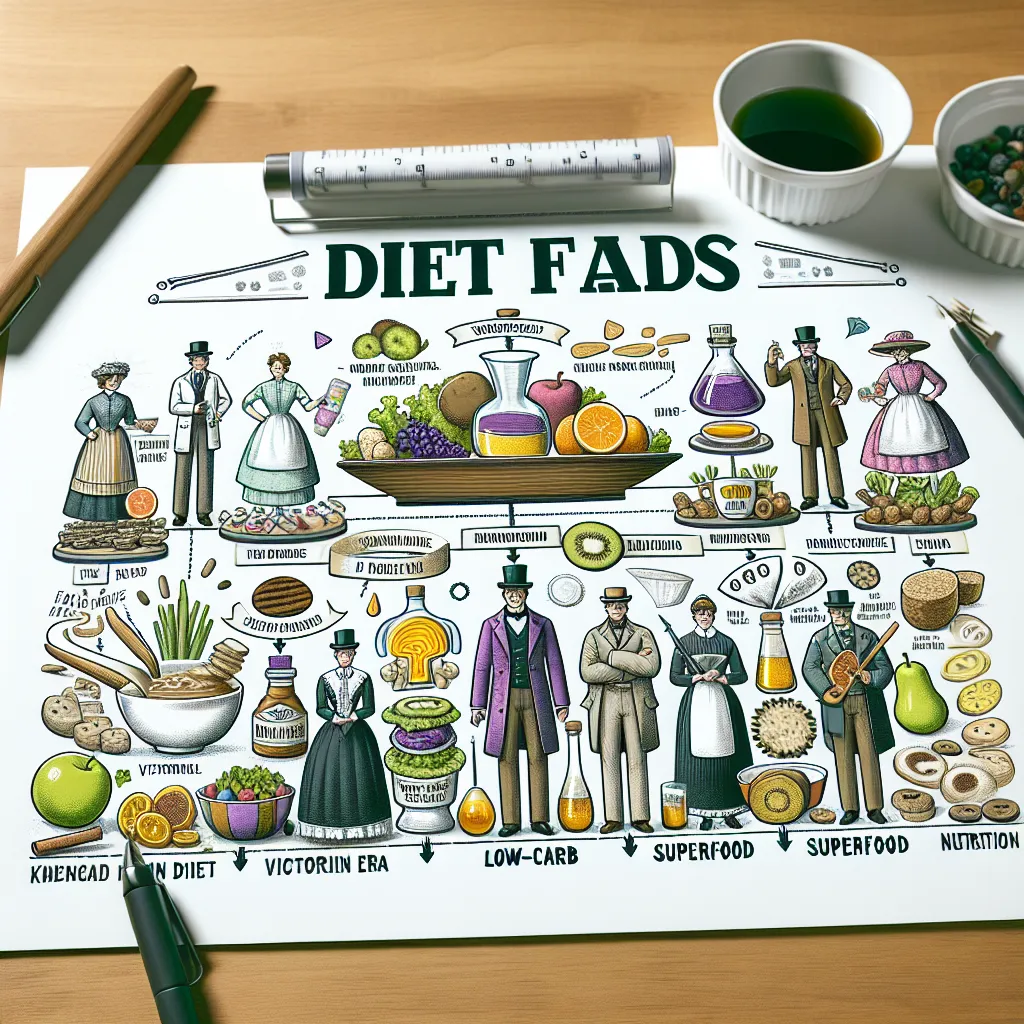
Diet advice and nutritional wisdom seem to change constantly. We often see ads claiming to know the best way to eat, making it hard to distinguish what’s genuinely healthy from what marketers just want us to believe. Marketing loves to prey on our desire to lose weight quickly and look and feel better. Enter fad diets: the alluring, too-good-to-be-true plans promising dramatic results.
But where do these diet fads originate? Though Ancient Greeks and Romans started large-scale health regimens centuries ago, fad diets, as we know them, began in the Victorian Era. From the vinegar diet to the Banting Diet, people have been following bizarre dietary crazes for over a century. We’ve been told to chew excessively, not chew at all, eat a grapefruit with every meal, subsist on cabbage soup, and even consume dangerous substances like arsenic or tapeworms. If these diet crazes have lasted this long, one might wonder if they work.
In the short term, some of them do. Low-carb diets like Atkins or South Beach often cause initial weight loss through the loss of sodium and temporary fluid reduction. High-protein diets can also lead to short-term weight loss by limiting food choices and reducing overall calorie intake. However, the body quickly adjusts, lowering its metabolic rate, and the supposed benefits diminish over time, especially if the diet isn’t maintained.
Recognizing a fad diet isn’t too hard. If a diet demands severe calorie cuts or elimination of entire food groups like fats, sugars, or carbs, it’s likely a fad. Another red flag is when a diet insists on eating specific foods, unique combinations, or food substitutes like bars or shakes. The reality is that long-term weight loss doesn’t have a quick-fix solution.
Beyond weight loss, there’s also buzz around superfoods and cleanses. Marketers amplify the allure of exotic superfoods like blueberries and açaí, claiming they offer magical health benefits. While these foods are nutrient-packed and healthy, their transformative powers are often overstated. They’re best enjoyed as part of a balanced diet, but watch out for them in sugary drinks or cereals where their benefits can be negated.
Cleanses can be good for a short period, helping to kickstart weight loss and boost vegetable and fruit intake. However, science hasn’t proven any long-term benefits or that they detoxify the body better than our natural mechanisms.
Advice on what to eat is best left to doctors and nutritionists who know our individual needs. Diets and food fads aren’t inherently wrong and might work for some people in certain situations, but they’re not a one-size-fits-all solution.