King Tutankhamun, one of the most famous pharaohs in ancient Egyptian history, died at a very young age. His life and death have been subjects of much speculation and research. Let’s dive into the details of his life and the circumstances surrounding his death.
King Tutankhamun ascended to the throne of Egypt when he was just eight or nine years old. This was a time of great change and conflict in Egypt. His father, Pharaoh Akhenaten, had introduced radical religious reforms, moving the capital to Amarna and promoting the worship of a single god, Aten. Tutankhamun reversed many of these changes, restoring the traditional polytheistic religion and moving the capital back to Thebes.
Despite his young age, King Tutankhamun’s reign was significant. He was guided by powerful advisers, including Ay, the Grand Vizier, and Horemheb, the commander-in-chief of the Egyptian army. These men played crucial roles in helping the young pharaoh make important decisions.
King Tutankhamun’s life was cut short when he died at the age of 18 or 19. The exact cause of his death has been a topic of much debate. For many years, it was believed that he died from an infected broken leg. However, more recent research has suggested that malaria might have been the cause, possibly in combination with a bone disease.
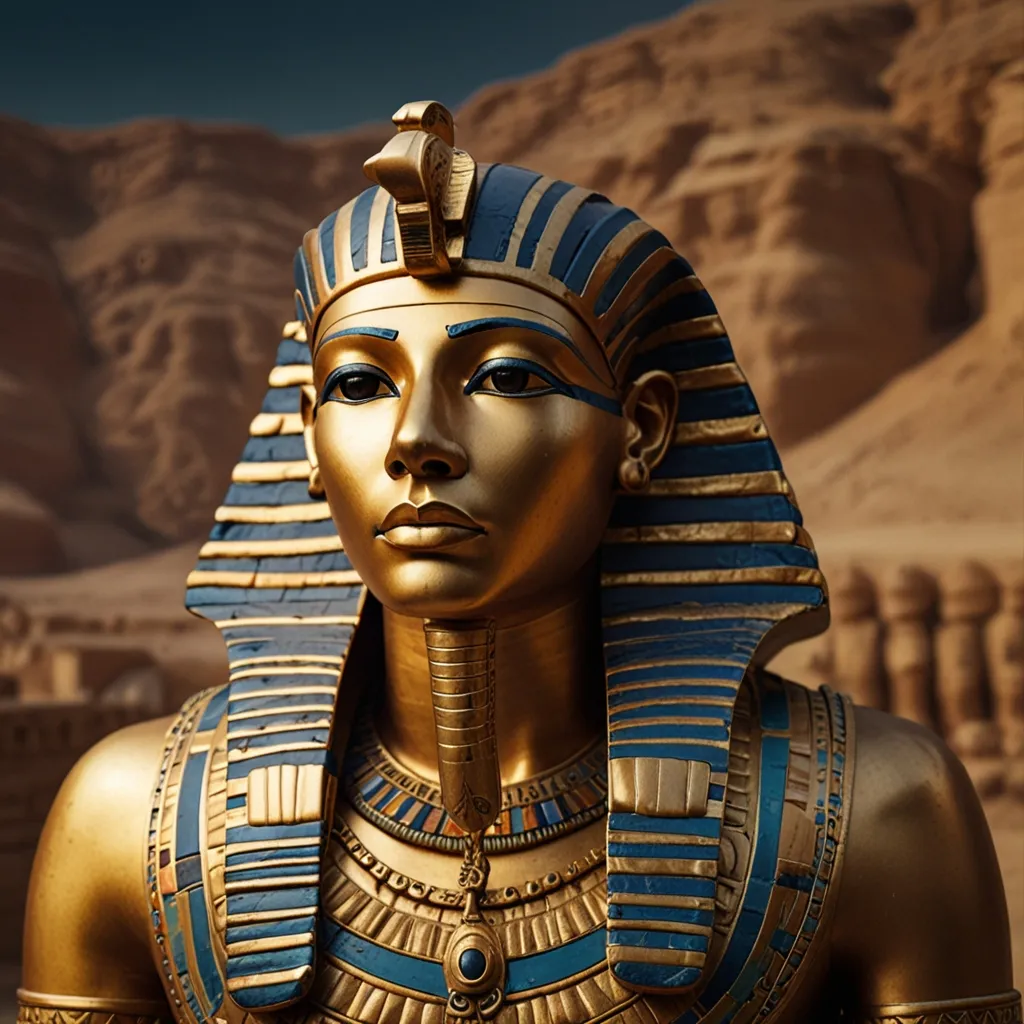
The discovery of King Tutankhamun’s tomb in 1922 by Howard Carter was a groundbreaking moment in archaeology. The tomb, known as KV62, was found in the Valley of the Kings and was remarkably well-preserved. The tomb contained over 5,000 artifacts, including the golden mask that has become an iconic symbol of ancient Egypt.
The discovery of King Tutankhamun’s tomb not only provided insights into his life but also sparked a global fascination with ancient Egypt. The treasures found in his tomb have been exhibited around the world, captivating audiences with their beauty and historical significance.
King Tutankhamun’s legacy extends beyond his tomb. He is remembered as a pharaoh who restored the traditional religious practices of ancient Egypt and brought stability to a period of turmoil. His story continues to fascinate people around the world, making him one of the most famous figures in history.
In summary, King Tutankhamun died at the age of 18 or 19, with the cause of his death likely being a combination of malaria and a bone fracture. His life and reign were marked by significant changes in ancient Egyptian religion and politics, and his tomb remains one of the most famous archaeological discoveries in history.