How Does India's Parliament Balance the People's Will and State Interests?
Balancing Powers: The Dynamic Interplay Between India's Lok Sabha and Rajya Sabha
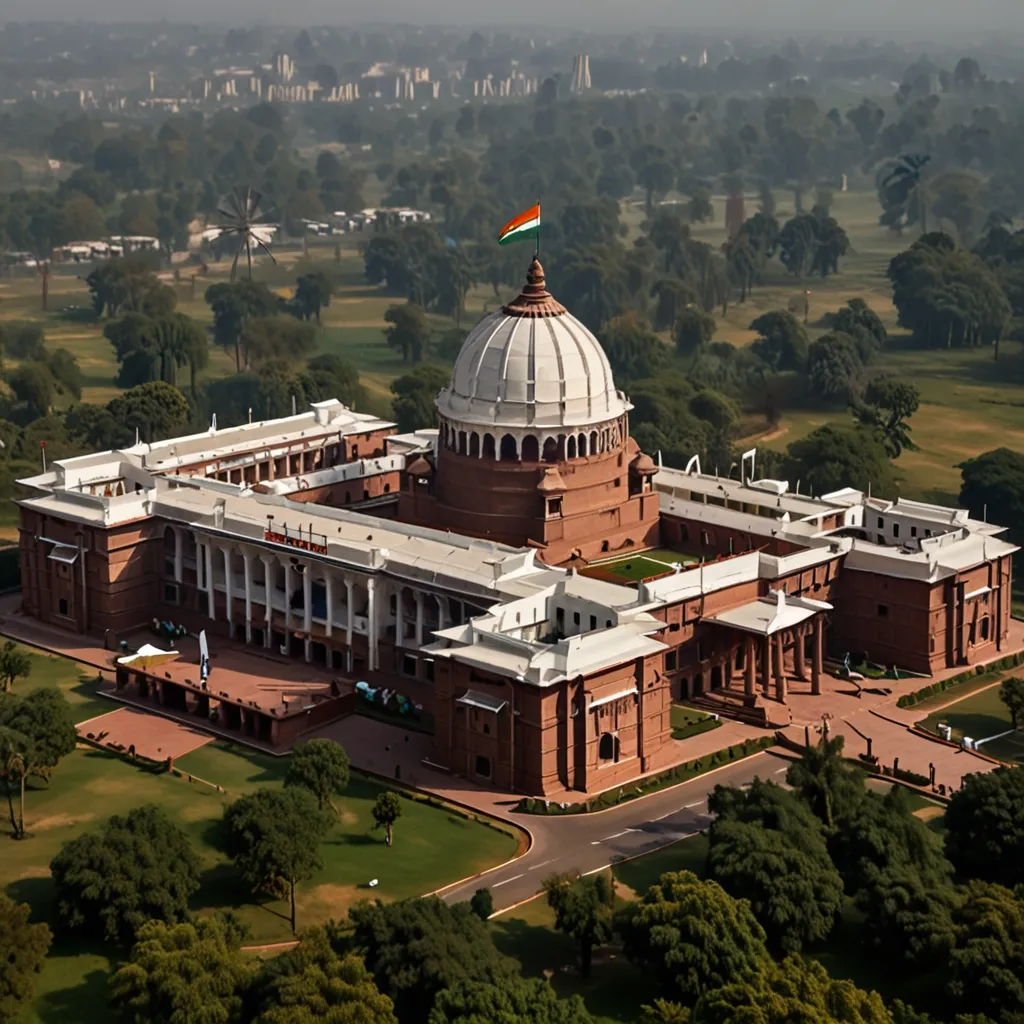
India’s Parliament has two houses, Lok Sabha and Rajya Sabha. Each of them has its unique role and powers. The Lok Sabha, also known as the House of People, is the lower house and is directly elected by the people of India. This house makes and passes laws, especially those related to financial matters. It has up to 552 members. Out of these, 530 represent the states and 20 represent the Union Territories. The head of the Lok Sabha is called the Speaker, and members must be at least 25 years old.
The Rajya Sabha, or Council of States, is the upper house. It represents the states and Union Territories of India. Unlike the Lok Sabha, the Rajya Sabha is a permanent body and isn’t subject to dissolution. Its members are elected indirectly by the elected State Legislative Assembly members and the Electoral College for Union Territories. The Rajya Sabha can have up to 250 members. Out of these, 238 are elected indirectly, and the President nominates 12 for their expertise in various fields. The Vice President of India is the Chairman of the Rajya Sabha, and members must be at least 30 years old.
A key difference between these houses is how their members are elected. Lok Sabha members are directly elected by the people during general elections held every five years. Rajya Sabha members are elected indirectly by State Legislative Assembly members and the Electoral College for Union Territories. This means the Rajya Sabha reflects the states’ interests at the national level.
The Lok Sabha holds significant power over financial matters. All financial legislation, including the budget, must start in the Lok Sabha. The Rajya Sabha can review and suggest changes to these bills but cannot introduce or pass them. This gives the Lok Sabha a special role in shaping the country’s economic policies.
Another difference is the term of office for members of each house. The Lok Sabha’s term is five years unless dissolved sooner. The Rajya Sabha is permanent, with one-third of its members retiring every two years. This staggered retirement ensures continuity.
The Lok Sabha can pass a vote of no confidence, forcing a government to resign if necessary. The Rajya Sabha doesn’t have this power but can criticize and review government policies and actions. The Lok Sabha can also pass censure and adjournment motions to hold the government accountable.
Both houses can make laws and discuss national policies, but the Lok Sabha has more control over financial legislation. The Rajya Sabha works as a reviewing chamber, making sure states’ interests are accounted for at the national level. By a two-thirds majority resolution, the Rajya Sabha can authorize Parliament to legislate on matters in the State List, protecting states’ rights.
The Indian Parliament’s two-house system balances the people’s interests and the states’. The Lok Sabha represents the people’s will, while the Rajya Sabha ensures states’ voices are heard. This structure maintains the country’s federal system and ensures no single entity controls the legislative process.
In essence, both the Lok Sabha and Rajya Sabha are vital to India’s Parliament, each with special roles and powers. The Lok Sabha, directly elected by the people, handles financial matters. The Rajya Sabha, representing states and Union Territories, reviews legislation. Together, they ensure a balanced and democratic process representing India’s diverse population.