Did the Mauryan Empire Pioneer the World's First Welfare State?
Blueprint of an Ancient Powerhouse: The Mauryan Empire's Masterclass in Governance and Economy
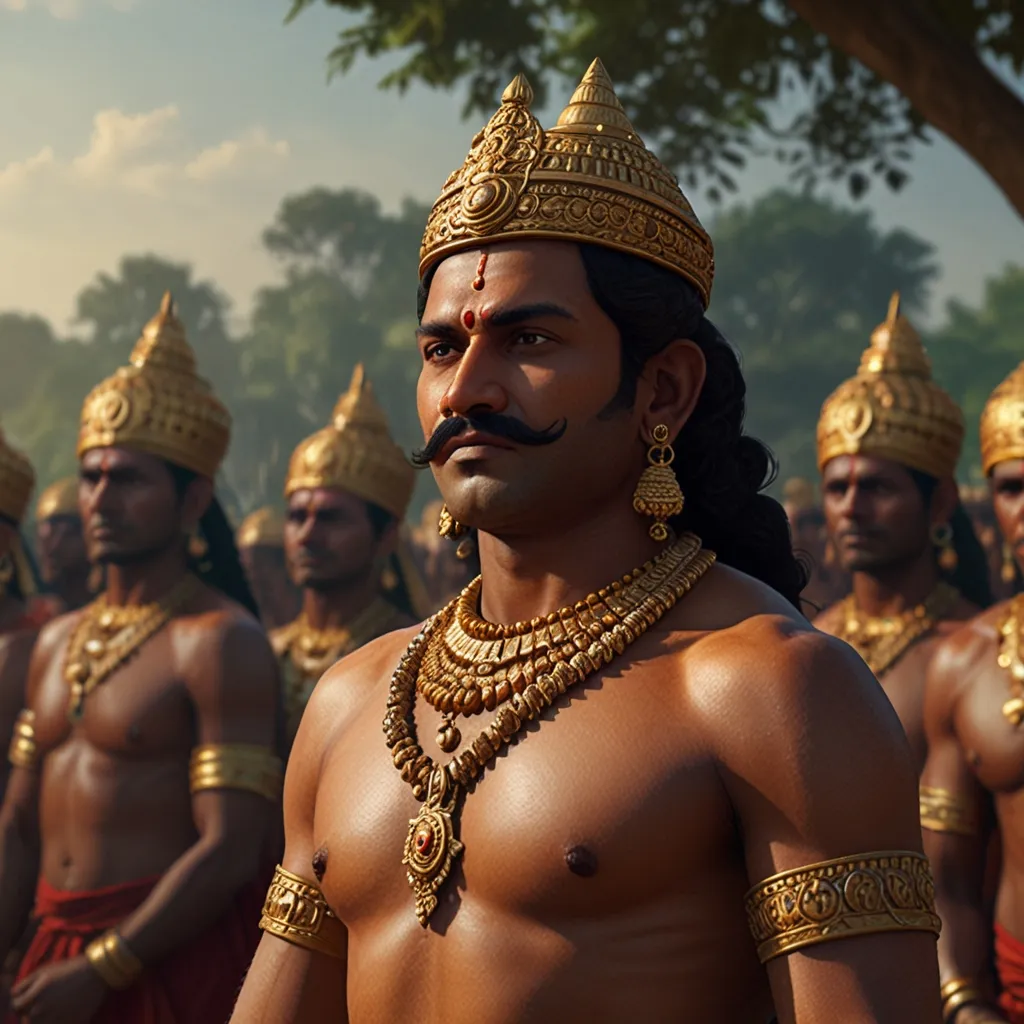
The Mauryan Empire, which existed from around 321 to 185 BCE, was a beast of a time in India’s history. It was organized like a properly run machine and held its core at Pataliputra (modern-day Patna). Imagine an empire that covered most of the Indian subcontinent, and voilà, that’s the Mauryan Empire for you. Thanks to their sharp economic moves, they not only united politically but also saw some serious economic boom.
The Mauryan administration was pretty slick. They had the empire chopped into four provinces, each under a prince who acted like the emperor’s right-hand man. This setup was mirrored at the central level. Decisions flowed from the emperor and his Council of Ministers, keeping the whole empire running smooth. They were involved in every little thing, from keeping the cities clean to managing international trade.
Chandragupta Maurya, the founder, was a visionary – he rolled out a single currency across India. This wasn’t just a cool move; it made trade easier, letting merchants do business across the empire without a hitch. Regional governors and administrators ensured justice and security, boosting internal trade thanks to the newfound peace and unity.
In terms of agriculture, the emperor owned all the land. The farmers gave a portion of their produce as tribute and in return, got essentials like seeds, tools, and animals. This system kept the emperor in control of the economy while supporting the farmers. They also invested in public works like waterways and canals, making agriculture more productive.
The taxation system was strict yet fair. Farmers didn’t have to worry about regional kings taxing them, as the Mauryan system was nationally administered. This was all based on the Arthashastra, a treatise by Chanakya, which laid down detailed advice on collecting taxes and managing resources. The collected revenue funded numerous public works that boosted productivity.
The Mauryan military was massive, with 600,000 infantry, 30,000 cavalry, 8,000 chariots, and 9,000 war elephants. Even though Ashoka, one of the notable emperors, stopped offensive warfare, he still kept a huge army to protect the empire and maintain peace. A vast espionage system was in place to gather intelligence and ensure the empire’s safety.
Trade was a big deal for the Mauryans. With political unity and military security in check, the common economic system saw trade flourish. The Khyber Pass, a key trade route, connected them to the world outside. India’s exports, including silk, textiles, spices, and exotic foods, found their way to Greek states and Hellenic kingdoms in West and Southeast Asia.
Ashoka, another big name in the Mauryan line, left his mark on public works and infrastructure. Thousands of roads, canals, hospitals, rest houses, and more were constructed under his reign. His stone pillar edicts encouraged nonviolence and peace, showcasing his Buddhist beliefs.
The Mauryan Empire’s economic policies laid the groundwork for a welfare state. The government played a huge role in looking after the people, boosting trade and uniting the empire politically and economically. Their investment in infrastructure wasn’t just about getting things done; it was about improving living standards. The lessons from their governance and economic management are still admired and studied today.