history

What Secrets Are Hidden in the Ancient Puma-Shaped City of the Incas?

Echoes of Gold: The Glorious Rise and Fall of Cuzco

What Secrets Are Hidden in the Ancient Puma-Shaped City of the Incas?

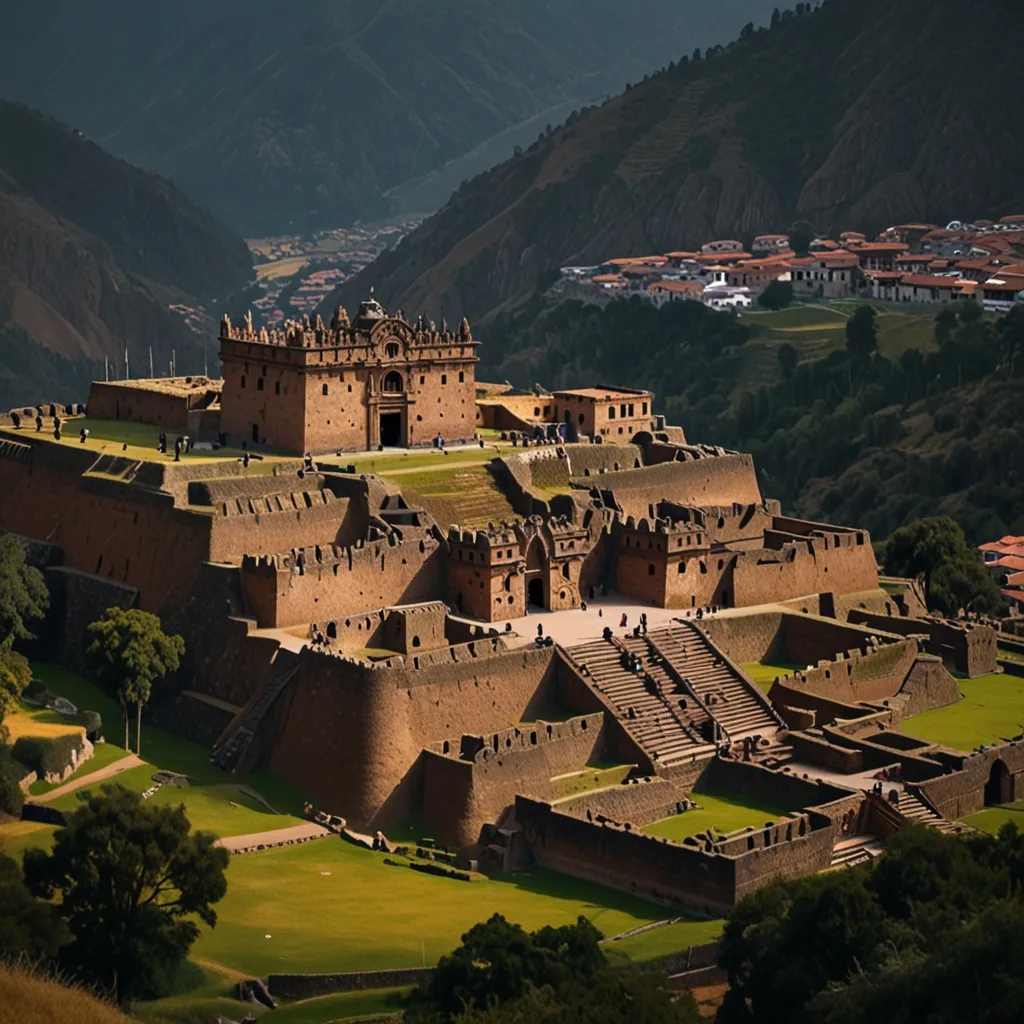
The capital city of the Inca Empire was Cuzco, located in what is now southern Peru. This city was the heart of the empire, serving as the political, religious, and administrative center. The name “Cuzco” comes from the Quechua word qosqo, which means “dried-up lake bed” or perhaps refers to a particular stone marker in the city.

Cuzco was founded by Manco Capac, the first Inca ruler, around the 12th century. Over time, it grew into a bustling metropolis with a population of up to 150,000 people at its peak. The city was meticulously planned, with its layout resembling a puma, a sacred animal to the Incas. The imperial metropolis of Pumachupan formed the tail, while the temple complex of Sacsayhuaman formed the head.

The city was dominated by the Coricancha complex, also known as the Temple of the Sun. This magnificent structure was lined with gold and emeralds, showcasing the wealth and grandeur of the Inca Empire. The temples built in honor of Inti, the sun god, and Mama Kilya, the moon goddess, were particularly splendid. The temple dedicated to Inti was lined with 700 sheets of beaten gold, each weighing 2 kg, while the temple dedicated to Mama Kilya was lined with silver.

Cuzco was not just a religious center but also a hub of political and military power. The Inca rulers, known as the orejones or ‘big ears’ due to their large earspools, held significant power and influence. The city was home to the supreme Inca ruler, who governed the empire through a complex administrative system. Local administrators reported to regional governors, who in turn reported to the central government in Cuzco.

The Inca Empire was known for its impressive infrastructure, including a vast network of roads that stretched across the empire. This road system, known as the Qhapaq Ñan, was crucial for communication, trade, and military movements. The roads were built with precision, featuring tunnels, bridges, and storehouses to support travelers. The relay system of runners, known as chasqui, could carry messages up to 150 miles a day, ensuring efficient communication across the vast empire.

The economy of the Inca Empire was based on agriculture and reciprocity. There was no currency, so taxes were paid in kind, including foodstuffs, textiles, and labor. The mit’a system required people to work for the state for a certain period each year. This labor was used for various projects, including the construction of roads, terracing, and irrigation systems.

The Inca people were skilled farmers, growing crops like potatoes, corn, and beans. They also raised animals such as llamas, alpacas, and guinea pigs. Their agricultural innovations, including terracing and irrigation, allowed them to thrive in the challenging Andean environment.

Despite its grandeur, the Inca Empire faced significant challenges, including rebellions and diseases brought by European explorers. The Spanish conquest in 1532 marked the end of the Inca Empire, but the legacy of Cuzco and the Inca civilization continues to inspire wonder and awe today. The city remains a testament to the ingenuity and cultural richness of the Inca people, attracting visitors from around the world who marvel at its architecture and history.

Keywords: Sure thing! Here are ten keywords to attract more views: Cuzco Inca Empire, capital city Cuzco, Inca metropolis, Temple of the Sun Cuzco, Inca infrastructure, Inca agriculture, Qhapaq Ñan, Inca administrative system, Spanish conquest of Incas, Cuzco tourism. These keywords should help in attracting a broad range of viewers interested in history, culture, and travel to the historical center of the Inca civilization.


Similar Posts
Blog Image
Historic Book Burnings That Changed Civilizations: From Ancient China to Nazi Germany's Cultural Erasure

Discover how 5 historic book burnings from Nazi Germany to ancient China shaped civilizations, erased cultures, and sparked unexpected resistance. Learn why tyrants fear books and how memory survives destruction.

Blog Image
Tree Rings Reveal Ancient Megadroughts: Climate Lessons from the Past

Tree rings reveal Earth's climate history, showing megadroughts lasting decades. These events, linked to La Niña, affected civilizations and ecosystems. Dendrochronology helps create drought atlases, crucial for predicting future climate patterns. This knowledge is vital for water management and climate adaptation strategies, especially as human activities accelerate climate change.

Blog Image
Aral Sea's Rebirth: How Science and Cooperation Are Reviving a Lost Wonder

The Aral Sea's decline due to Soviet-era irrigation projects led to ecological disaster. Restoration efforts, led by Kazakhstan, include the Kok-Aral Dam, which revived the Northern Aral Sea. Innovative techniques like satellite monitoring and saxaul plantations combat environmental damage. Water management, climate adaptation, and international cooperation are key. These efforts offer hope and lessons for global environmental challenges.

Blog Image
Doha Debates: How Global Discussions Are Shaping Our Multipolar World

The Doha Debates bridge global divides through inclusive discussions on complex issues. They bring diverse voices together, fostering understanding in a polarized world. The platform tackles political, economic, cultural, and social topics, using a Majlis-style approach to encourage thoughtful dialogue. By reaching wide audiences, the debates promote critical thinking and challenge assumptions about global leadership and influence.

Blog Image
Uncontacted Tribe: Sentinelese Survive 60,000 Years in Isolation on Mysterious Island

The Sentinelese, an isolated tribe on North Sentinel Island, have lived undisturbed for 60,000 years. They fiercely resist outside contact, maintaining their unique culture and way of life. The Indian government protects their isolation, recognizing the risks of external interference. Their story highlights the importance of respecting indigenous rights and cultural diversity in our globalized world.

Blog Image
The Untold Story of How One Man Changed the Course of History

Hidden heroes shaped history through small acts of courage and innovation. From revolutionaries to trailblazers, these unsung individuals sparked movements, challenged norms, and paved the way for progress, proving anyone can make a difference.