religion

Can Music Make You Ecstatic Like a Whirling Dervish?

Dancing Through Sound: The Magical World of Sama and Whirling Dervishes
Can Music Make You Ecstatic Like a Whirling Dervish?

Ever heard of Sama? It’s this cool Sufi practice that’s all about listening to recited poetry or music as a spiritual activity. Sama literally means “listening” or “audition,” and it’s pretty fascinating. One of the most famous examples of Sama is the whirling dervishes from the Mevlevi order. You’ve probably seen those mesmerizing spinning dancers, right? They’re not just performing—it’s a spiritual thing!

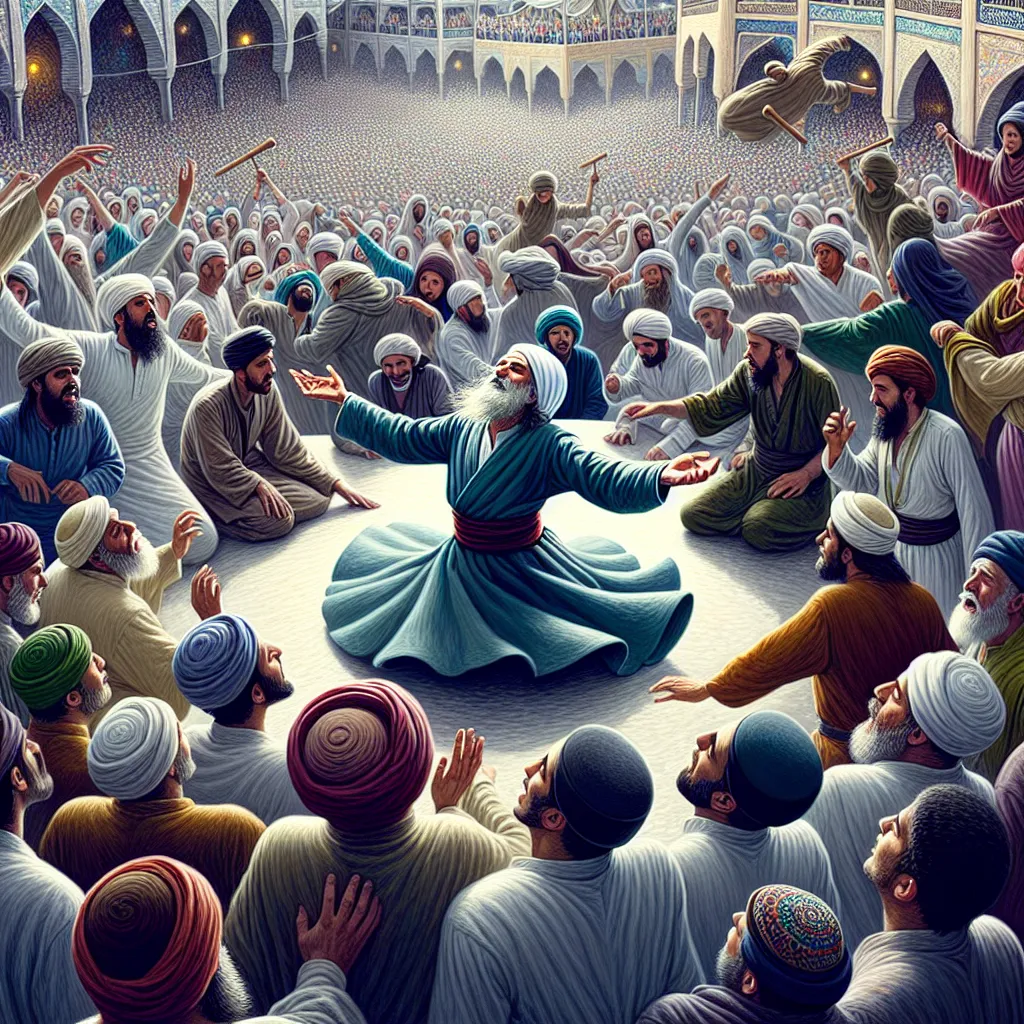
Now, there’s this Sufi mystic called Ibn Fadid who was really into Sama. He loved it so much that there are tons of stories about how he would join these musical gatherings and reach ecstatic states. There’s even this one wild story where Ibn Fadid was just chilling in the marketplace. A group of guards walked by, singing, and beating these clappers. The moment he heard them, he couldn’t help himself. He started shouting and dancing right there in the marketplace.

What happened next was even crazier. A huge crowd gathered around him, and the vibe was so intense that many people in the crowd fell to the ground in ecstasy too! All while the guards just kept on singing. It’s mind-blowing how powerful music and poetry can be, especially in spiritual practices like Sama.


Similar Posts
Blog Image
How Did Neoplatonism Shape Our Understanding of Reality and the Soul?

Tracing the Mystical Blueprint: Neoplatonism's Enduring Legacy in Western Thought

Blog Image
Can Different Religions Uncover the True Meaning of Life?

Discovering Life's True Meaning: Diverse Religious Perspectives on Our Ultimate Purpose

Blog Image
What Can a 14th-Century Critic Teach Us About Mystical Intrigue?

Sufism’s Enigmatic Contrarian: Unearth Ibn Sab'in’s Radical Ideas and Legacy

Blog Image
Controversial Jain Death Fast: Ancient Ritual Sparks Modern Debate on Spirituality

Sallekhana, a Jain practice of gradual fasting to death, is a spiritual journey aimed at purifying the soul. It's chosen by individuals facing unavoidable circumstances like old age or incurable disease. The process involves gradually renouncing food and liquids. Jains argue it's not suicide, but a means to achieve spiritual liberation. This practice raises ethical and legal questions about end-of-life choices and religious freedom.

Blog Image
Interfaith Initiatives: Bridging Divides and Fostering Global Peace

Discover how interfaith initiatives foster global peace through dialogue and mutual respect. Learn about impactful programs promoting understanding across religions. Join the movement for a more compassionate world.

Blog Image
What Do Different Religions Say About Sin and Redemption?

Exploring the Multifaceted Concept of Sin Through Diverse Religious Lenses and Human Struggles