Can We Ever Really Understand What a True Religion Is?
Preconceived Notions and the Ever-Evolving Landscape of Religion
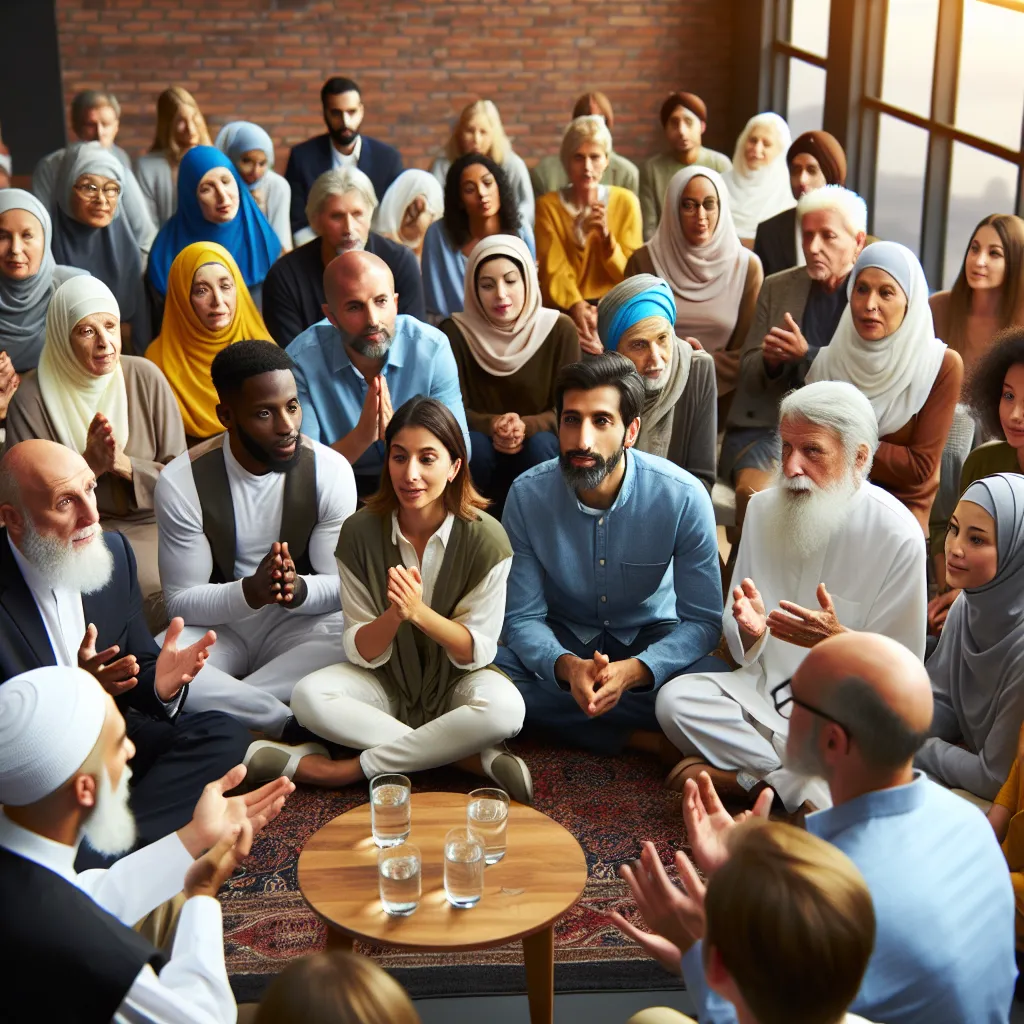
Religion is one of those topics that always seems to spark heated debates. We’ve all likely encountered arguments like “Buddhism is a peaceful religion” or “Islam is violent.” Such statements boil down to preconceived notions about what a religion should be, often causing heated arguments.
The “No True Scotsman” fallacy frequently surfaces in these discussions. For instance, someone might claim that Christianity is peaceful, and when someone counters this with historical instances of violence perpetrated by Christians, they’ll retort with, “Well, those weren’t true Christians.” The same thing happens with Islam, where people argue groups like Al-Qaeda aren’t real Muslims. These perspectives root from our personal biases and misconceptions about religions.
In academia, essentializing religions is common. Scholars and academics often argue that specific religions stand for certain unchanging principles. However, this point of view clashes with a critical truth about religion: all religions are diverse and ever-evolving. Sweeping generalizations are risky, especially in academic settings. While generalizations are necessary for discussions, they should be recognized as compromises.
It’s problematic to label Buddhism inherently peaceful or Islam inherently sexist without acknowledging the exceptions. Religions can’t be entirely defined by any single version because they’re too complex and diverse. What’s often forgotten is that religion is shaped by people. People continuously create and recreate their religious practices and beliefs.
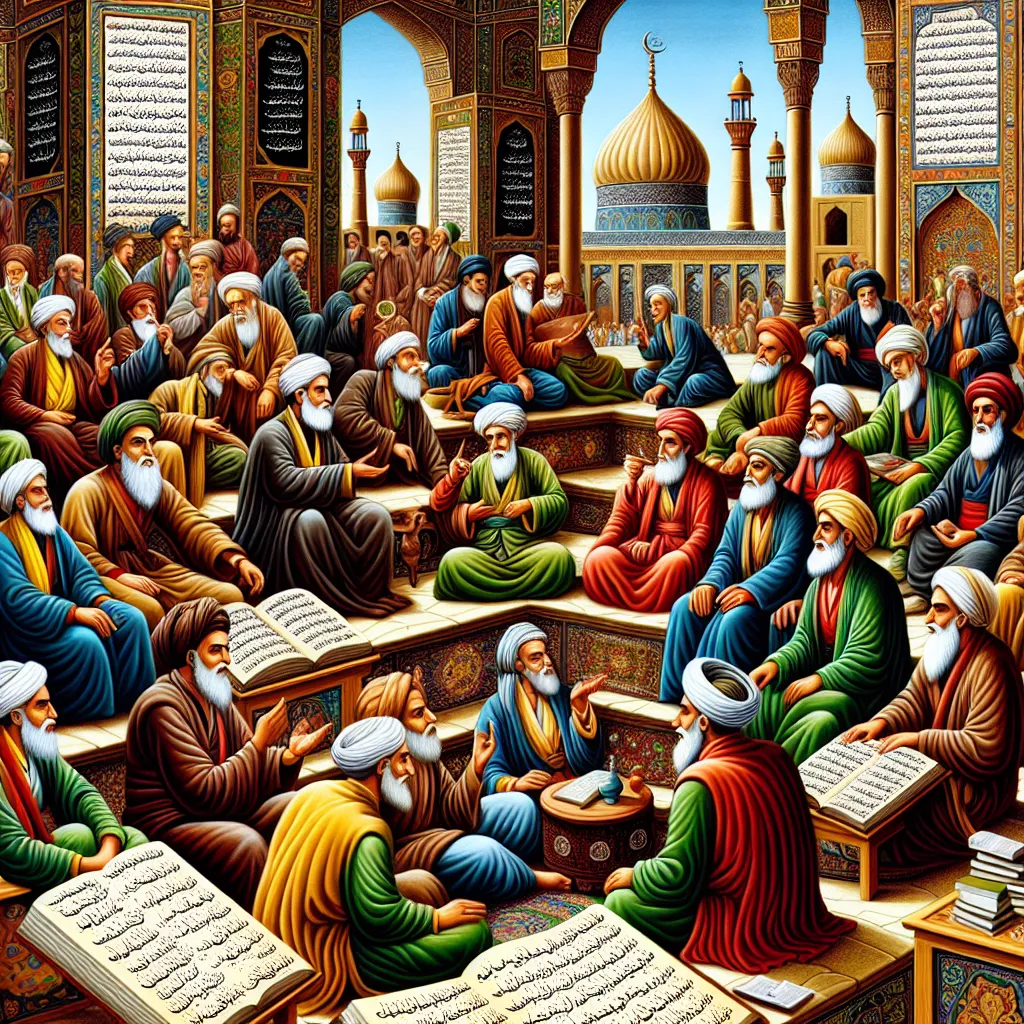
This essentializing problem is prevalent in discussions about Islam. Many assume they understand what Islam is about, but they’re often looking at a single perspective. Various voices speak for Islam, each with differing interpretations.
Gabrielle Maranchi, in his article “Sociology and Anthropology of Islam,” highlights this issue, noting how scholars sometimes paint Islam as static and unchanging—a holdover from colonialist narratives. Edward Said’s book “Orientalism” also discusses how Western scholarship has portrayed the Middle East as primitive compared to the evolving West.
People often believe that understanding Islam means understanding all Muslims, but this ignores their social, political, and economic contexts. Reducing Muslims to merely religious beings exoticizes them and overlooks their everyday lives, which are filled with mundane concerns like anyone else’s.
Maranchi suggests flipping the perspective: instead of thinking that Islam shapes Muslims, consider that Muslims shape Islam through their practices and beliefs. Remembering the historical and cultural diversity within religions can avoid major issues in both research and public discourse.
The anthropologist Simon Coleman also points out that Hinduism often gets judged through an Indian lens, even though it’s a global religion. This creates similar oversimplifications.
My aim isn’t to completely overturn your understanding of religion but to lay a foundation for future discussions. No religion is a homogeneous, static entity. Religions are lived and continuously redefined by their practitioners. This perspective can change how we approach and understand them.
Moving forward, in academic discussions or debates about faith, it’s key to remember that every religion is internally diverse and always changing. Objective discussions should avoid making judgments about which teachings or denominations are truer than others.
As we explore these subjects, it’s essential to critique generalizations and elevate the nuanced, multifaceted nature of religious traditions. Remember, religions are shaped by people; they’re not independent entities with a single truth. Keep this in mind, and we’ll navigate these discussions with greater understanding and respect. Stay tuned for more diverse and fascinating discussions about religion, and feel free to engage and share your thoughts.