religion

What Makes an Inscribed Talisman So Powerful in Islamic Tradition?

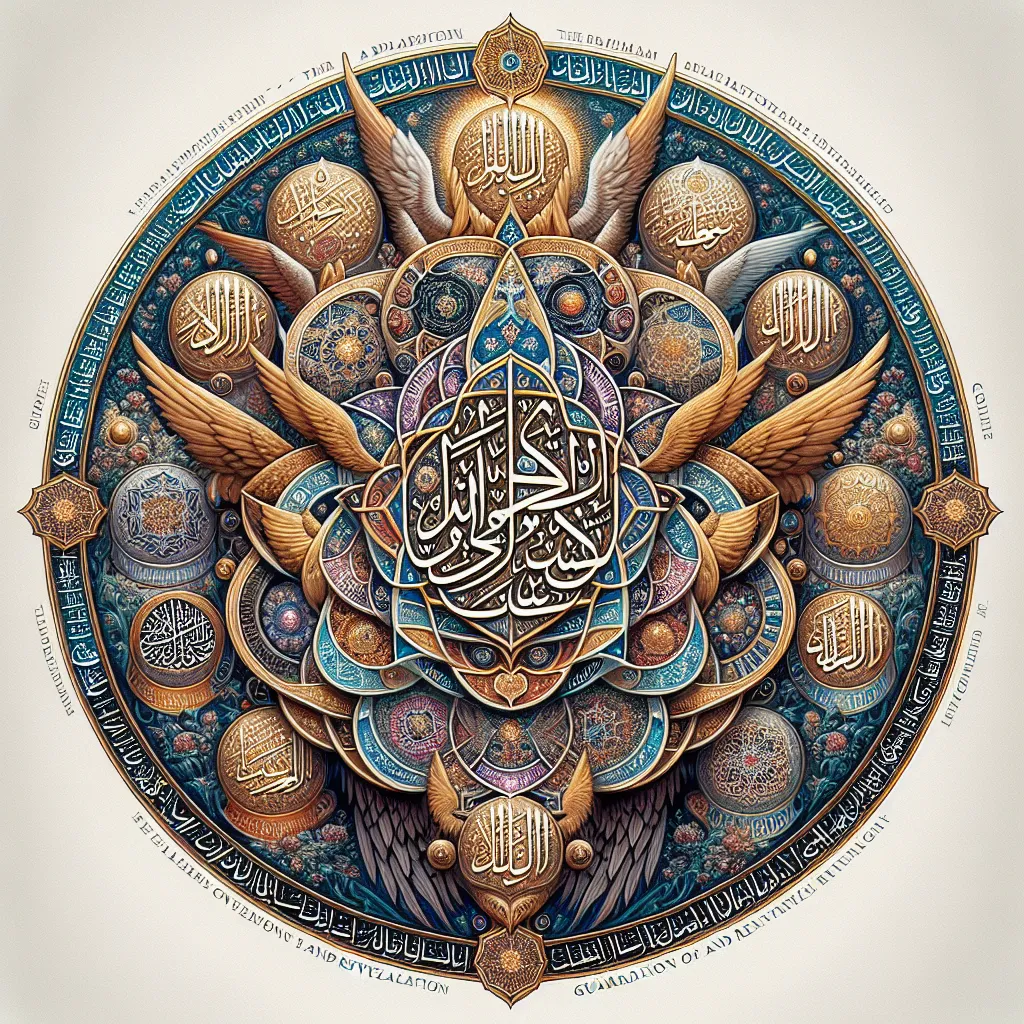
Cosmic Words: Sacred Writing Transformed into Powerful Islamic Talismans

What Makes an Inscribed Talisman So Powerful in Islamic Tradition?

Turning an object into a talisman in Islamic tradition often involves inscribing it with sacred names. The primary name used is “Allah,” but other divine names like “the Merciful” or “the One” are also common. If not God’s names, people might choose the names of angels like Jibreel or Mikail. Names of prophets such as Muhammad, Moses, or Solomon are also popular.

For many Shiites, the names of imams, the spiritual successors to Prophet Muhammad, are significant. Another widespread practice is writing the Shahada, the Muslim declaration of faith, which states, “There is no God but God.”

Direct verses from the Quran, especially those believed to hold special power like the Ayat al-Kursi, or the Throne Verse, are frequently used. Essentially, talismans in this context involve a lot of sacred writing, each inscribed word thought to bring spiritual protection and blessings.



Similar Posts
Blog Image
Is Letting Go of Grudges the Ultimate Key to Happiness?

Discarding Grudges: How Forgiveness Transforms Minds, Hearts, Relationships, and Health for a Thriving Life

Blog Image
What Could Your Next Life Be? Dive into the Mysteries of Reincarnation

Endless Dance of the Eternal Soul in Hindu Philosophy

Blog Image
Is Nature the New Religion in Sweden?

Nature as Sweden’s Sanctuary: Spirituality Beyond Organized Religion

Blog Image
How Religious Faith Quietly Shaped Five of History's Most Dramatic Turning Points

Discover how faith shaped history's biggest turning points — from Constantine's edict to the Civil Rights Movement. Explore 5 moments religion changed the world.

Blog Image
What Secrets Did God Reveal About My True Self?

Celestial Paradox: The Hidden Knowledge of Divine Unity and Human Duality

Blog Image
Divine Fashion: How Faith Shapes Global Style Trends

Faith and fashion intersect in a complex tapestry of cultural expression. Religious symbols, modesty codes, and cultural identity influence global trends. Designers draw inspiration from various faiths, creating both innovative and controversial pieces. This fusion reflects personal values and beliefs, highlighting the deep connection between spirituality and style. As fashion evolves, it continues to embrace diverse religious influences, shaping a more inclusive industry.