science

Can Entropy Explain the Cosmic Dance of Order and Disorder?

Cosmic and Terrestrial Ballet: The Unstoppable Rise of Entropy

Can Entropy Explain the Cosmic Dance of Order and Disorder?

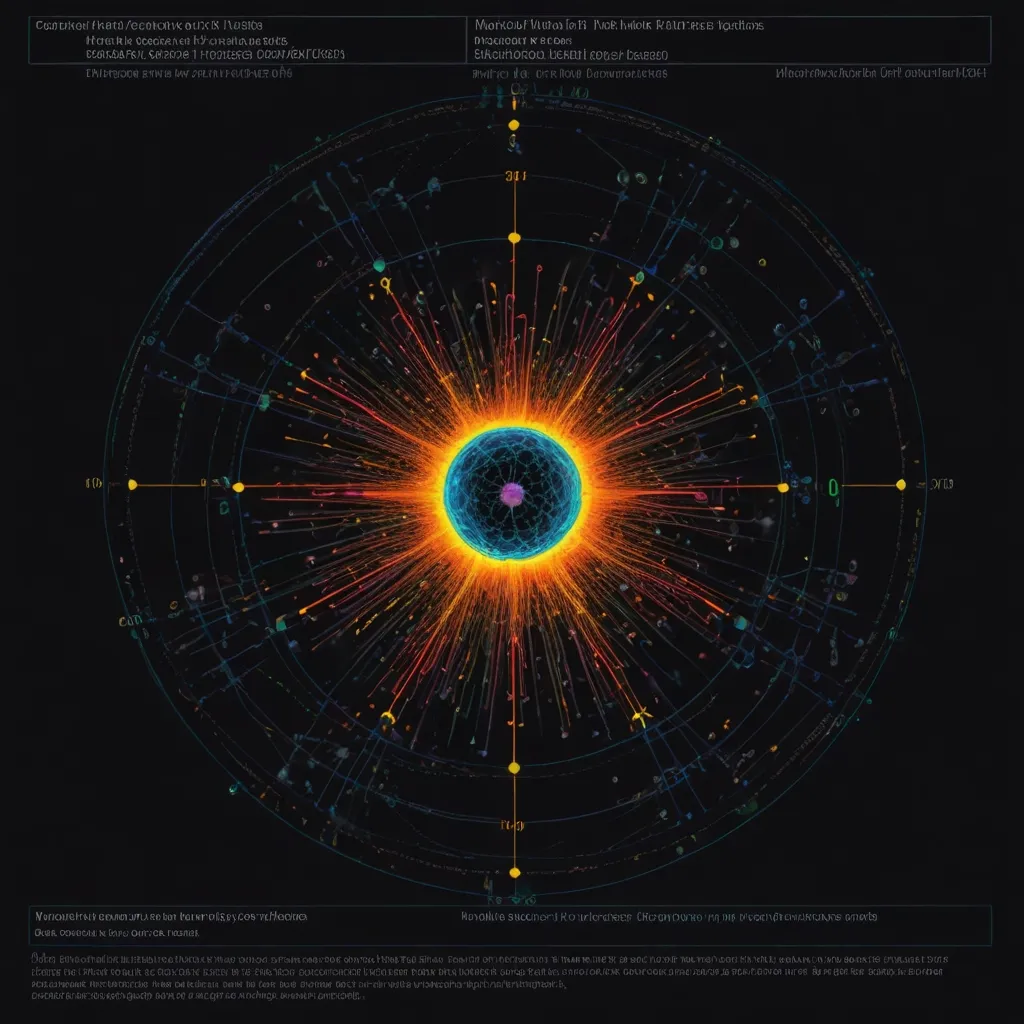
The story of entropy is fascinating when you look at how it plays out both in the cosmos and here on Earth. Essentially, the sun is converting low-entropy matter into high-entropy heat and radiation. This means the overall level of disorder, or entropy, is always increasing.

Even though gravitational forces cause diffuse gases to collapse and create the sun, the resulting heat and radiation from this process increase overall entropy. This principle aligns with the second law of thermodynamics, which states that entropy tends to increase over time.

On Earth, we see similar principles at work. Various chemicals and elements naturally combine to form larger, more complex molecules. These processes are similar to those occurring in living organisms, where order increases within the system, but the surrounding entropy also rises. When molecular systems become more ordered, higher entropy is shifted elsewhere to maintain balance.

Take the example of crystals. Crystals form on their own and go from a high-entropy state to a low-entropy state. During this process, they give off heat, which increases the overall entropy of their surroundings. Conversely, when crystals melt, they absorb heat, which decreases the environment’s entropy but increases the entropy of the molecules themselves by making them more disordered. They transition from a solid to a liquid state, illustrating how entropy and order create a never-ending dance.


Similar Posts
Blog Image
Did A Town Really Get Robbed By A Chocolate Bunny?

Adventures in Sentence Clarification: Navigating the World of Misplaced Modifiers

Blog Image
Did Nikola Tesla Really Envision Our High-Tech Future Over a Century Ago?

When a Visionary Like Tesla Builds Our Modern World

Blog Image
Nature's Blueprint: Incredible Buildings Inspired by Biological Marvels

Biomimetic architecture draws inspiration from nature to create sustainable buildings. Examples include Zimbabwe's Eastgate Centre (termite mounds), Beijing's Bird's Nest (bird nests), and Sydney's One Central Park (vertical gardens). These designs mimic natural structures and processes, resulting in energy-efficient, environmentally friendly buildings that enhance human well-being while reducing environmental impact.

Blog Image
Quantum Biology: How Tiny Particles Shape Life's Biggest Mysteries

Quantum biology explores how quantum physics affects life at the molecular level. It reveals that processes like photosynthesis, animal navigation, and enzyme function utilize quantum effects such as tunneling and entanglement. This emerging field could revolutionize our understanding of nature and lead to breakthroughs in medicine, energy production, and technology.

Blog Image
Why Does Sunlight Keep Us Safe From Dangerous Space Particles?

Positrons Play Hide and Seek in the Sun's Fiery Plasma Playground

Blog Image
Can Six Simple Parenting Tips From a 70-Year Study Really Make Kids Happier and More Successful?

Unveiling Timeless Wisdom: Decades-Long Study Reveals Simple Yet Powerful Parenting Practices for Raising Happy, Successful Kids