Did Aristophanes Use Comedy to Keep Ancient Athens Honest?
Aristophanes: The Bold Satirist Who Shaped Comedy with Relentless Wit and Audacity
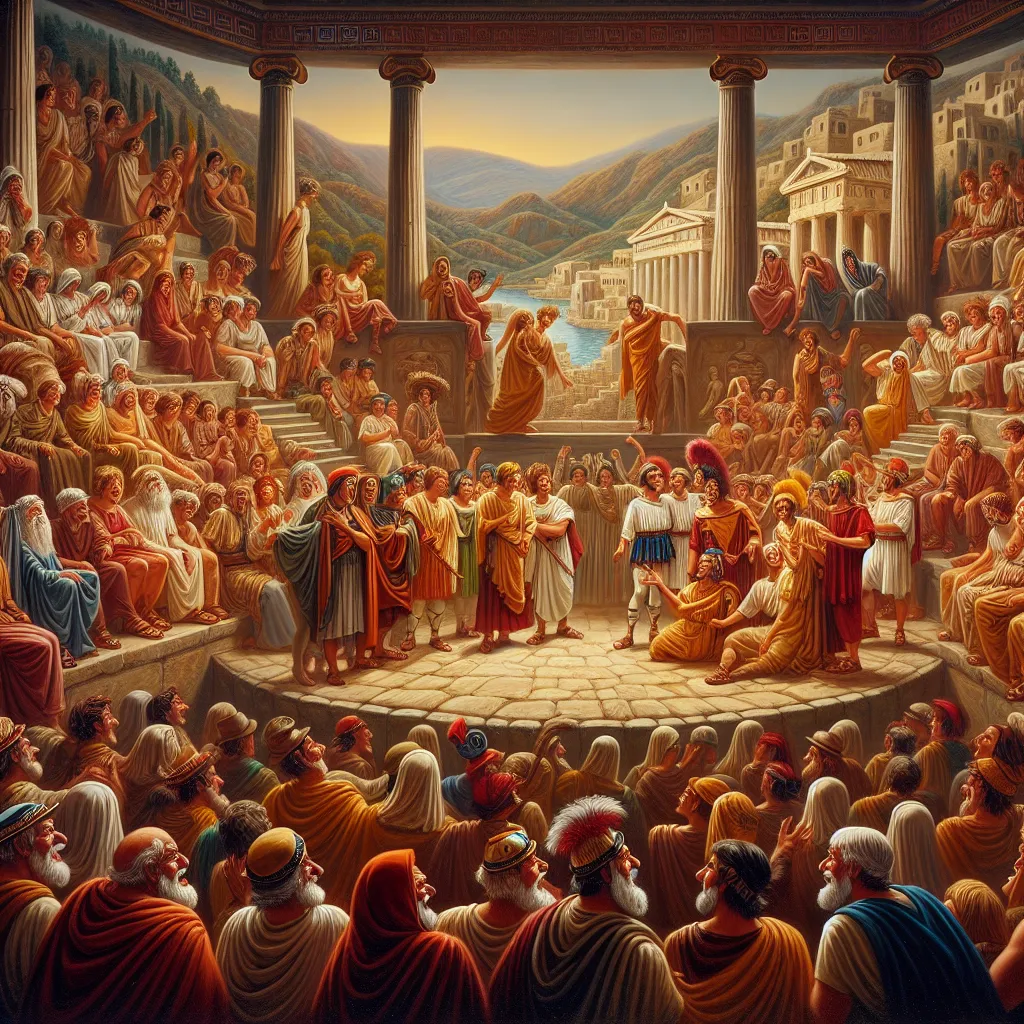
In 426 BC, a comic play called The Babylonians, written by a young poet named Aristophanes, won first prize at an Athenian drama festival. The play was so controversial for its depiction of Athens during the Peloponnesian War that a politician named Kleon sued Aristophanes for “slandering the people of Athens in the presence of foreigners.”
Two years later, Aristophanes hit back with another play, The Knights, where he openly mocked Kleon, portraying him as a lowly sausage seller. This style of satire was typical of 5th century Athens’ unrestricted democracy and is now known as “Old Comedy.” Aristophanes’ plays are the oldest surviving comic dramas, filled with parodies, songs, sexual jokes, and surreal fantasy. They often used wild and imaginative situations to subvert audience expectations. These plays have shaped the way comedy is written and performed to this day.
The word “comedy” comes from the Ancient Greek “komos,” meaning revel, and “oide,” meaning singing. Unlike tragedies, which focused on the downfall of the high and mighty, comedies usually had happy endings and dealt with current events. Aristophanes’ plays celebrated ordinary people and attacked the powerful, often those sitting in the front row of the theatre, ensuring everyone saw their reactions. These targets were known as “komoidoumenoi,” or “those made fun of in comedy.”
Aristophanes’ biting and often obscene mockery held leaders accountable, testing their commitment to the city. The Peloponnesian War between Athens and Sparta was a frequent topic in his works. In Peace, written in 421 BC, he depicted an Athenian freeing the embodiment of peace from a cave where profiteering politicians had exiled her. After a severe Athenian naval defeat in 411 BC, he wrote Lysistrata, where women go on a sex strike until their husbands make peace.
In Clouds, Aristophanes mocked trendy philosophical thinking by having the hero, Strepsiades, enroll in Socrates’ new school, learning to argue that wrong is right and debts are not debts. Despite the outlandish scenarios, his heroes always win in the end.
Aristophanes was also a master of the parabasis, a comic technique where actors address the audience directly. In Birds, the Chorus, playing different birds, threatens the judges that if their play doesn’t win first prize, the birds will defecate on them. The play ended up coming in second, perhaps reflecting the judges’ lack of humor.
By pushing the boundaries and encouraging self-criticism in Athenian society, Aristophanes not only mocked his fellow citizens but also shaped the nature of comedy. Many consider him the father of comedy, and his influence is seen in techniques like slapstick, double acts, and political satire. His plays celebrated free speech and ordinary heroes, making audiences laugh and think at the same time. His retort to Kleon in 425 BC—“I’m a comedian, so I’ll speak about justice, no matter how hard it sounds to your ears”—still resonates today.