How Can Just One Degree Change Our World Forever?
Catastrophic Repercussions of a Warming Earth Highlight the Urgency of Climate Action
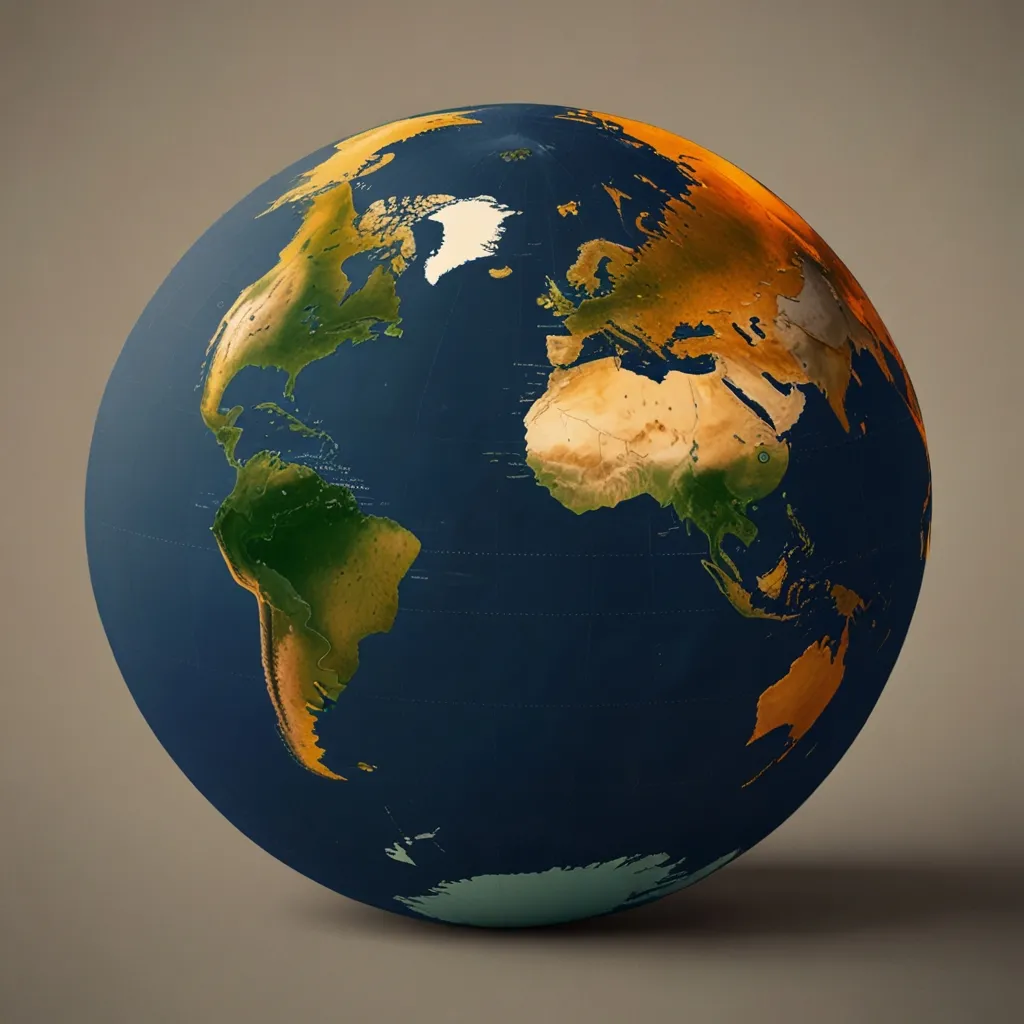
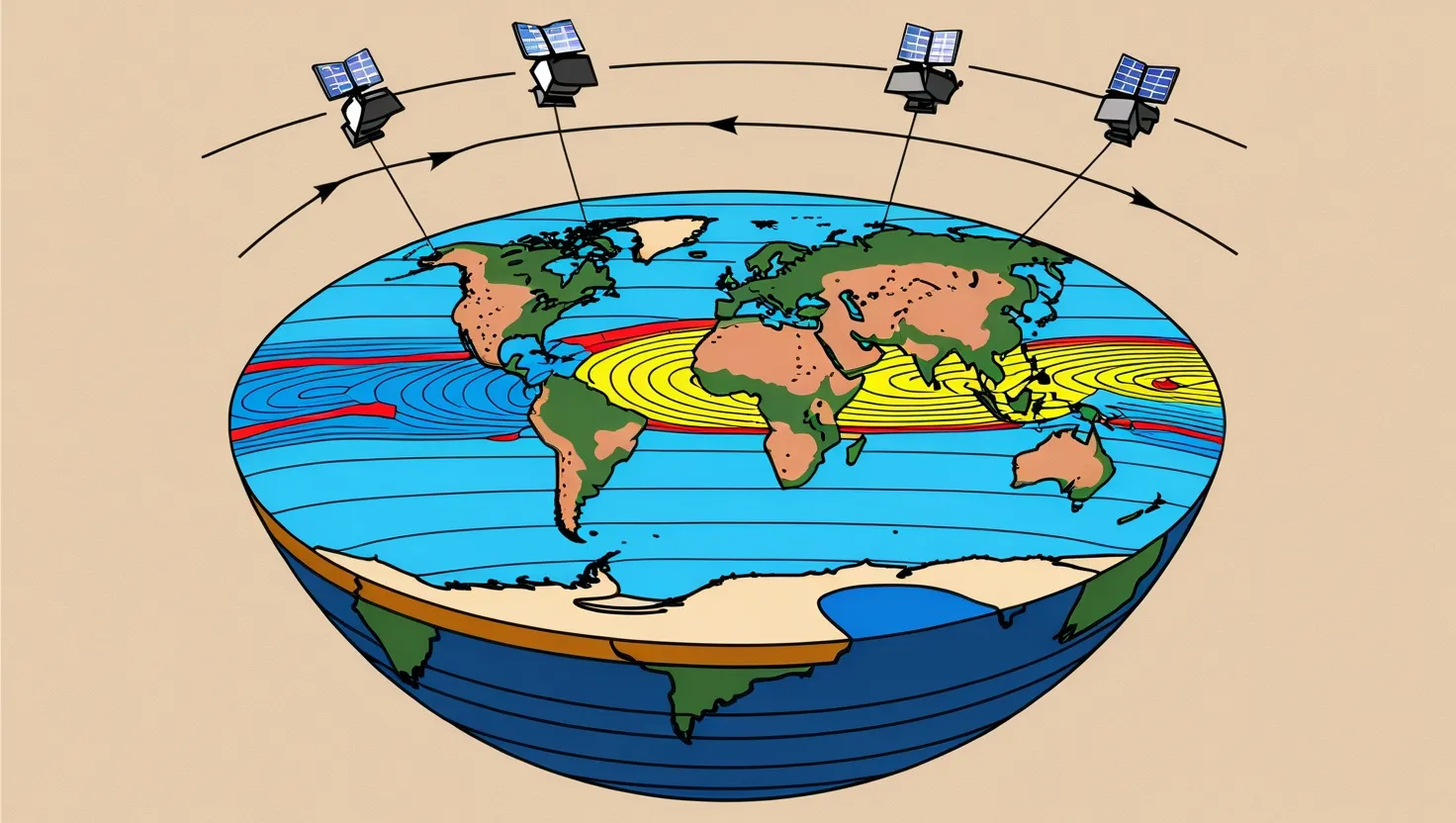
In the last 20 years, we’ve seen alarming trends in global temperatures, with 19 of the hottest years on record. Compared to the average temperatures from 1950 to 1980, today’s world is about 0.85 degrees Celsius (1.5 degrees Fahrenheit) warmer. Climate models predict that in the next 40 years, temperatures will climb by another one and a half degrees Celsius (2.7 degrees Fahrenheit).
You might wonder, how can one degree of warming have such a significant impact? Think of the entire Earth and how much energy an increase of just one degree represents. This seemingly small change results in massive energy retention in our atmosphere and oceans. The atmosphere alone gains about five times 10 to the 18 kilojoules of extra energy, and this number doubles when considering the ocean’s contribution.
This extra energy doesn’t just sit idly; it drives various catastrophic phenomena. More water evaporates from oceans, leading to intense rainfall and exacerbating storms and hurricanes. Warmer waters expand, and polar ice melts, causing sea levels to rise. The notion that climate isn’t changing is nearly obsolete; the real debate has shifted to understanding what’s driving these changes and figuring out actionable solutions.
When discussing climate, it’s crucial to distinguish it from weather. Weather is short-term and changeable, while climate indicates long-term trends over decades. A few warm winters don’t signify a climatic shift, but an upward trend in global temperatures over 30 years does. This overall temperature rise results in extreme weather conditions, which have become more frequent and severe.
But what’s the root cause of this warming? While the Sun is a fundamental source of Earth’s energy, it alone can’t explain the current rise in global temperatures. Historically, Earth’s climate has fluctuated due to factors like volcanic eruptions and natural cycles. For example, 56 million years ago, the Earth experienced the Paleocene-Eocene Thermal Maximum (PETM), a period of extreme warming caused by substantial carbon dioxide emissions from volcanic activity.
Fast forward to today, humans are emitting roughly 10 gigatons of carbon annually into the atmosphere—an amount far surpassing natural volcanic contributions. This is evidenced by the rising ratio of carbon-12 to carbon-13 in the atmosphere, a direct result of burning fossil fuels. Unlike natural causes, human activities are supercharging the warming process, making the current climate change more rapid and severe.
Addressing climate change starts with understanding the sources of greenhouse gases. Carbon dioxide, methane from livestock, and nitrous oxide from fertilizers all exacerbate the greenhouse effect. Human actions, like deforestation, further compound the problem by removing critical carbon sinks.
Is there hope? Absolutely. Mitigating climate change involves reducing our carbon footprints and preserving natural ecosystems. Collective action at individual, community, and global levels can steer us towards a sustainable future. Being informed and proactive can make a difference, showing that while Earth will outlast us all, we must strive to ensure it remains hospitable for all life.