Revolutionizing Agriculture: The Promise of HI-Edit
In the world of agriculture, a groundbreaking technique is turning heads and sparking excitement. It’s called HI-Edit, short for haploid induction editing, and it’s not just another fancy scientific term. This innovative approach is set to change the game in farming and food production, making it more sustainable, efficient, and eco-friendly.
So, what’s the big deal about HI-Edit? Well, it’s like giving Mother Nature a helping hand. The technique combines a natural process called haploid induction with the precision of genome editing tools like CRISPR-Cas9. Now, if you’re wondering what haploid induction is, think of it as a plant’s way of producing seeds with half the usual number of chromosomes. It happens naturally in some plants like wheat, corn, and tobacco.
But here’s where it gets interesting. By merging this natural process with CRISPR-Cas9, scientists can edit plant genomes faster and more accurately than ever before. It’s like having a super-precise pair of genetic scissors that can snip and tweak DNA with incredible speed.
Let’s talk about time for a moment. Traditional plant breeding is like watching paint dry – it can take a whopping 15 to 20 years to introduce a new trait into a crop. That’s longer than it takes for a newborn to graduate high school! But HI-Edit? It’s like hitting the fast-forward button, potentially cutting that time down by 5 to 10 years. In a world where we need to feed more people with fewer resources, this speed is a game-changer.
Now, let’s get down to the nitty-gritty of why HI-Edit is such a big deal for the environment and our wallets. Imagine crops that can tough it out through droughts or fend off pesky diseases without needing a ton of chemicals. That’s what HI-Edit is aiming for. By creating these super-resilient plants, farmers can ease up on fertilizers and pesticides. It’s a win-win – healthier soil and water, and farmers save money on chemicals. Who wouldn’t want veggies that are not only tastier but also grown with fewer artificial interventions?
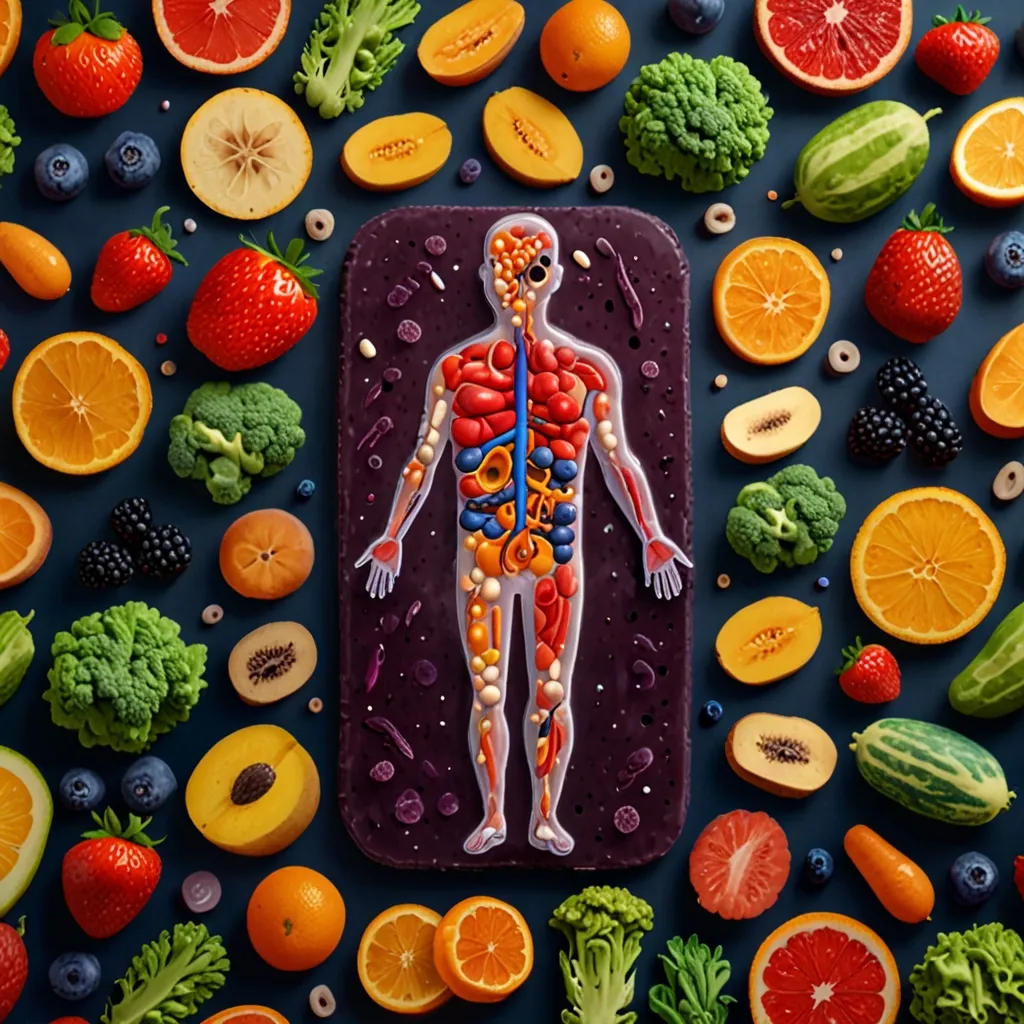
But it’s not just about what happens on the farm. HI-Edit could make a difference right in your kitchen too. Picture this: fruits and veggies that stay fresh longer in your fridge. That means less food waste and more money in your pocket. Plus, knowing that your produce is grown with minimal chemicals? That’s the cherry on top for health-conscious folks.
Now, you might be thinking, “Wait a minute, isn’t this just another GMO thing?” Not quite. Unlike GMOs, which have faced their fair share of controversy, HI-Edit operates in a different ballpark. It doesn’t introduce foreign DNA into plants, which means it sidesteps a lot of the issues that have made GMOs a hot topic. Scientists and regulators see HI-Edit as a distinct technology, one that can tackle agricultural challenges without the baggage that comes with GMOs.
But here’s where it gets even more exciting – HI-Edit isn’t just about plants. The technology that makes it tick, especially CRISPR-Cas9, is opening doors in other fields too. We’re talking medicine, bioengineering – the works. Scientists are even using CRISPR-Cas9 in clinical trials to treat diseases like HIV and hemophilia. It’s like having a Swiss Army knife for genes.
And it doesn’t stop there. Researchers are taking genome editing to new heights with high-throughput techniques. Imagine being able to edit multiple genes at once, like a genetic orchestra where every instrument plays in perfect harmony. That’s what’s happening in labs right now, and it’s not just cool science – it’s paving the way for breakthroughs in both medicine and agriculture.
So, what does the future look like with HI-Edit? Picture fields of crops that laugh in the face of droughts, shrug off pests, and grow strong with minimal help from us humans. It sounds like science fiction, but it’s quickly becoming science fact. Scientists and farmers are working hard to turn this vision into reality.
Let’s get real for a moment and talk about actual applications. HI-Edit isn’t just staying in the lab – it’s heading out to the fields. Researchers are already looking at ways to use this technique on all sorts of crops. We’re talking field corn, sweet corn, wheat, and even your favorite veggies like cabbage, broccoli, and kale. And they’re not stopping there – soybeans and tomatoes could be next on the list. It’s like giving farmers a whole new toolbox to work with.
But why should you care about all this sciencey stuff? Well, it’s simple. HI-Edit and technologies like it are shaping the future of our food. They’re working towards a world where farming is not just sustainable but also super efficient. Imagine biting into a juicy tomato that’s not only packed with flavor but also grown in a way that’s kinder to our planet. That’s the kind of future HI-Edit is trying to create.
And let’s not forget the bigger picture. Our world is changing fast – climate shifts, growing population, dwindling resources. We need smart solutions, and we need them fast. HI-Edit is stepping up to the plate, offering a way to create crops that can roll with the punches Mother Nature throws.
As we wrap this up, it’s worth taking a moment to appreciate just how far we’ve come. From the first farmers who figured out how to domesticate wild plants to today’s scientists tweaking genes with surgical precision – it’s a journey that spans millennia. HI-Edit is the latest chapter in this story, a powerful tool that combines the wisdom of nature with the ingenuity of human innovation.
So, the next time you’re munching on an apple or tossing a salad, take a second to think about the incredible science that might be behind your meal. Who knows? That fruit or veggie might just be a product of HI-Edit technology, representing a small but significant step towards a more sustainable, food-secure future.
In the end, HI-Edit is more than just a scientific breakthrough – it’s a beacon of hope. Hope for farmers struggling with changing climates, hope for consumers wanting healthier food options, and hope for a planet in need of more sustainable practices. It’s a reminder that with creativity, perseverance, and a dash of scientific magic, we can tackle even the most daunting challenges. The future of agriculture is being written right now, and HI-Edit is holding the pen.