Ever feel like you have a million things on your mind, trying to keep tabs on everything you need to do? It can get overwhelming, but guess what—we’ve got one major task covered without even thinking about it: breathing. Breathing isn’t just second nature; it’s essential for life. It keeps our body’s cells ticking by delivering oxygen and flushing out carbon dioxide.
So, how do we pull off this incredible feat without a second thought? The unsung hero here is our respiratory system. Think of it as a finely tuned machine, complete with specialized parts and a trigger to get things going. First up, we’ve got the lungs and other respiratory organs. But how does this system kick into gear?
That’s where the autonomic nervous system comes in. This is your brain’s way of managing vital functions without you having to consciously think about them. When it’s time to breathe, this system signals the muscles around your lungs, flattening the diaphragm and contracting the intercostal muscles between your ribs to make room for your lungs to expand.
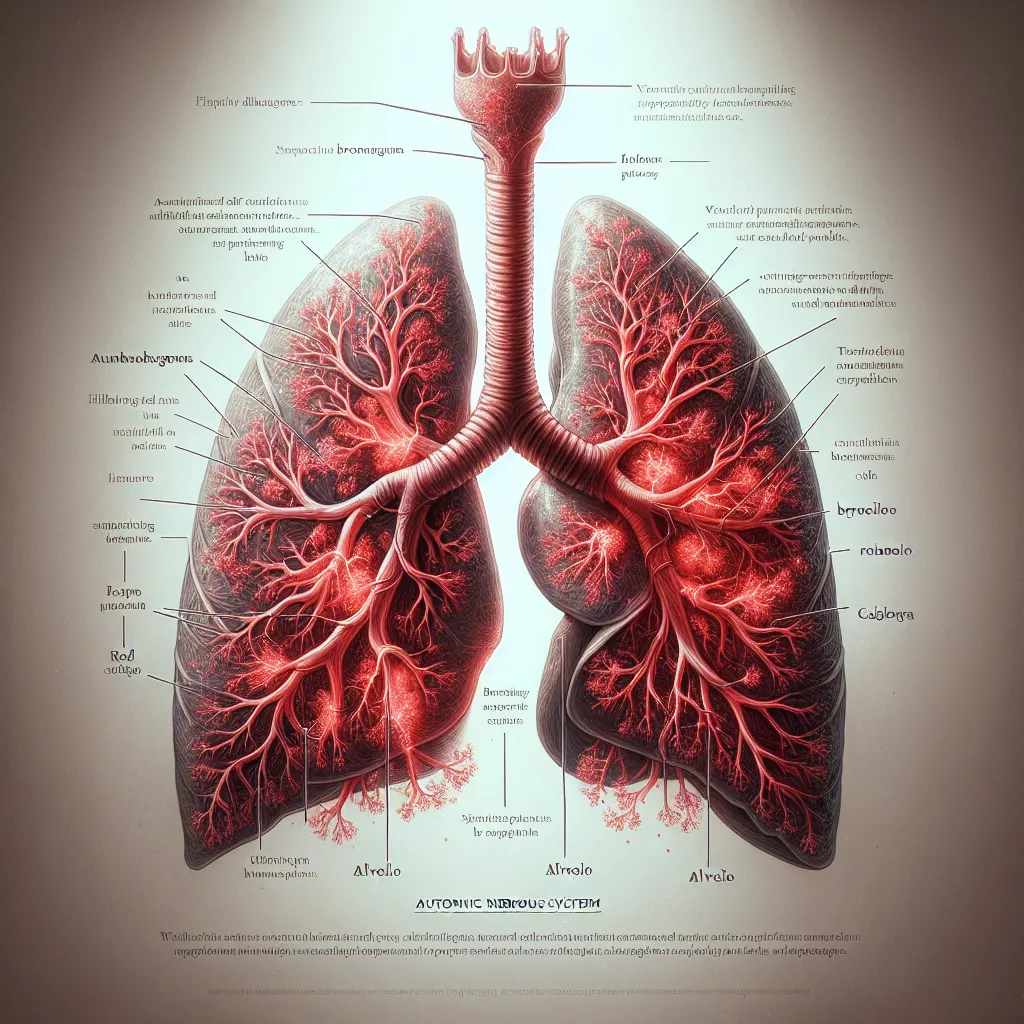
Air rushes through your nose and mouth, then down your trachea, and splits into the bronchi—one for each lung. These bronchi branch out like tree limbs into thousands of tiny passages called bronchioles. Contrary to what some might think, your lungs aren’t hollow balloons. They are spongy structures filled with these bronchioles.
At the end of each bronchiole is an air sac known as an alveolus. These sacs are wrapped in capillaries teeming with red blood cells that have special proteins called hemoglobin. When you inhale, air fills these sacs, inflating the lungs. Here’s where the magic happens: these sacs are full of oxygen, while the capillaries are loaded with carbon dioxide.
Because of diffusion, oxygen moves to the capillaries, and hemoglobin picks it up, while carbon dioxide makes its way into the lungs. This oxygen-rich hemoglobin then travels through your bloodstream, supplying your body with essential oxygen.
But what happens to all that carbon dioxide? It gets exhaled. The autonomic nervous system kicks in again, causing the diaphragm to contract and the intercostal muscles to relax. This makes your chest cavity smaller and forces the lungs to compress, pushing out the carbon dioxide. Then the cycle starts all over.
Your lungs go through this process 15 to 25 times a minute, processing an astounding 10,000 liters of air every day. It might sound like a lot of work, but don’t worry—your lungs and autonomic nervous system have got it all under control.