What Happens When Science Unleashes the Power of an Atomic Bomb?
Atoms Split and History Shatters: The Dawn of Atomic Power
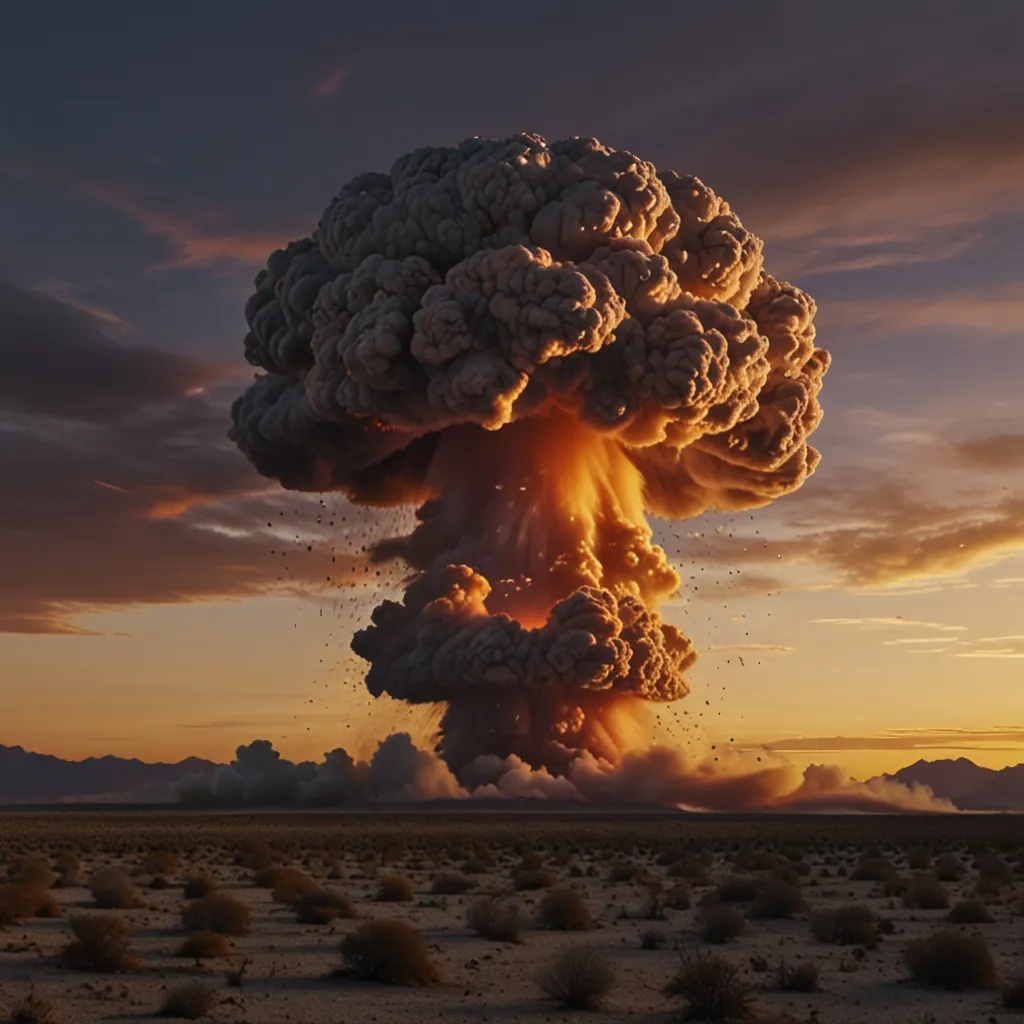
At 5:30 a.m. on July 16, 1945, in a small town called Alamogordo, New Mexico, the world witnessed a monumental shift in history. This was the day the first atomic bomb was detonated, forever altering the fate of humanity. The mastermind behind this colossal feat, the Manhattan Project, was Robert Oppenheimer. Overwhelmed by the bomb’s destructive power, Oppenheimer famously quoted a verse from the Hindu text the Bhagavad Gita: “Now I am become death, the destroyer of worlds.”
So, how does an atomic bomb work? At its core, the atomic bomb operates on the principle of nuclear fission. This process involves the splitting of a nucleus, releasing a tremendous amount of energy. Think of it like knocking over a stack of bowling pins. When the pins fall, the energy used to stack them is released all at once. Similarly, a nucleus is held together by a significant amount of energy, and splitting it releases this energy explosively.
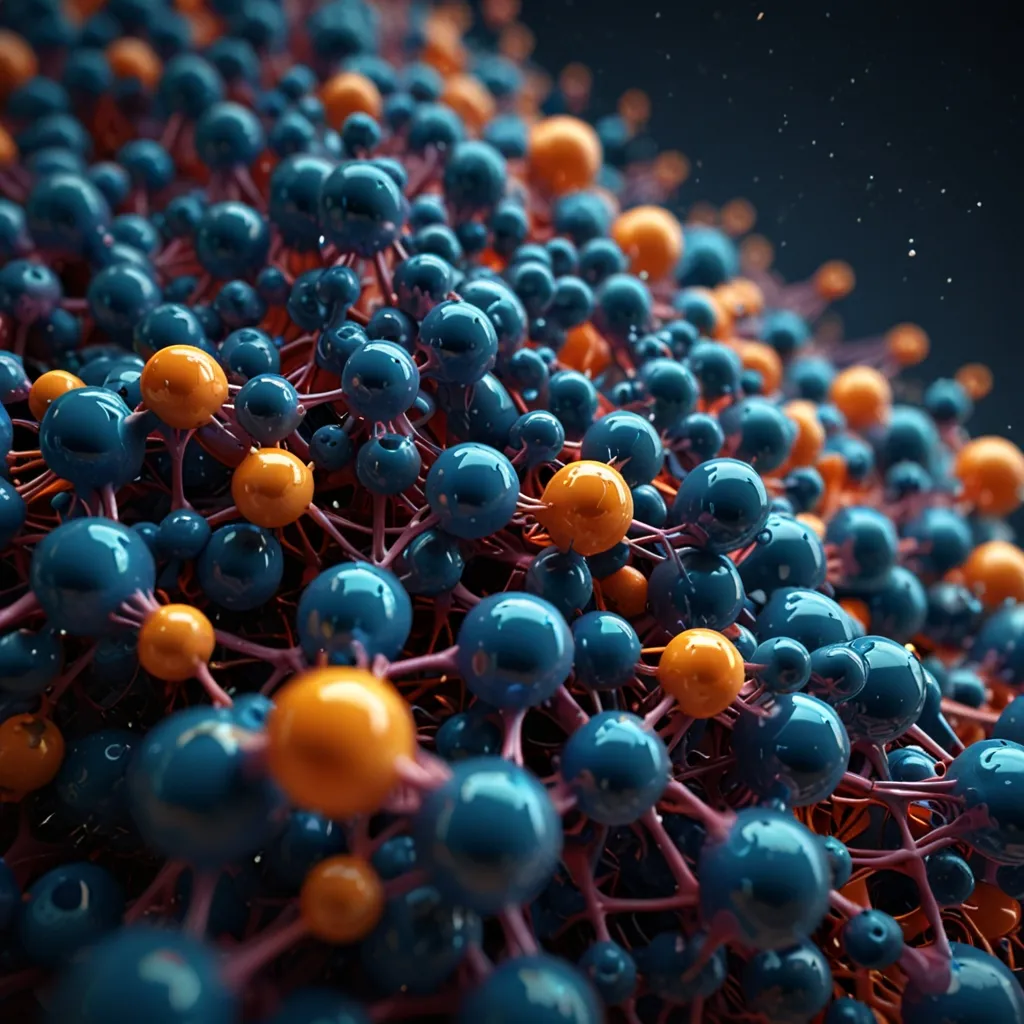
Scientists found that uranium was the best candidate for this process, particularly the isotope U235. Unlike its more stable sibling U238, U235 is highly unstable and suitable for sustaining a nuclear fission reaction. When a neutron strikes a U235 atom, it transforms into U236, an extremely unstable state that causes it to split into two stable atoms, Krypton and Barium, releasing a massive amount of energy and additional neutrons in the process. These released neutrons go on to strike more U235 atoms, triggering a chain reaction that leads to a massive explosion.
Why don’t more countries possess atomic bombs if the concept is straightforward? The challenge lies in the materials. Natural uranium contains only about 0.7% of U235, necessitating an extensive enrichment process to increase this percentage. This process often involves converting uranium into a gas and separating the lighter U235 isotope. Another engineering hurdle is creating a container that can keep neutrons from escaping, enabling a sustained chain reaction.
Achieving this “supercritical mass” involves assembling enough fissionable material to sustain an uncontrollable chain reaction. The material must be kept in subcritical masses until the moment of detonation to prevent premature explosions. Typically, an initial conventional bomb is used to bring these subcritical masses together, triggering the nuclear explosion.
The staggering energy released in this explosion is derived from Einstein’s equation, E=mc^2. Only about 0.1% of the bomb’s mass converts into energy, causing the devastating blast. Imagine the magnitude if 100% of the mass were converted.
Though the fundamentals of an atomic bomb are uncomplicated, the actual execution is immensely complex, requiring precise engineering and substantial resources. The atomic bomb remains one of the most significant and terrifying innovations in human history, reminding us of the immense power and responsibility that comes with scientific advancement.