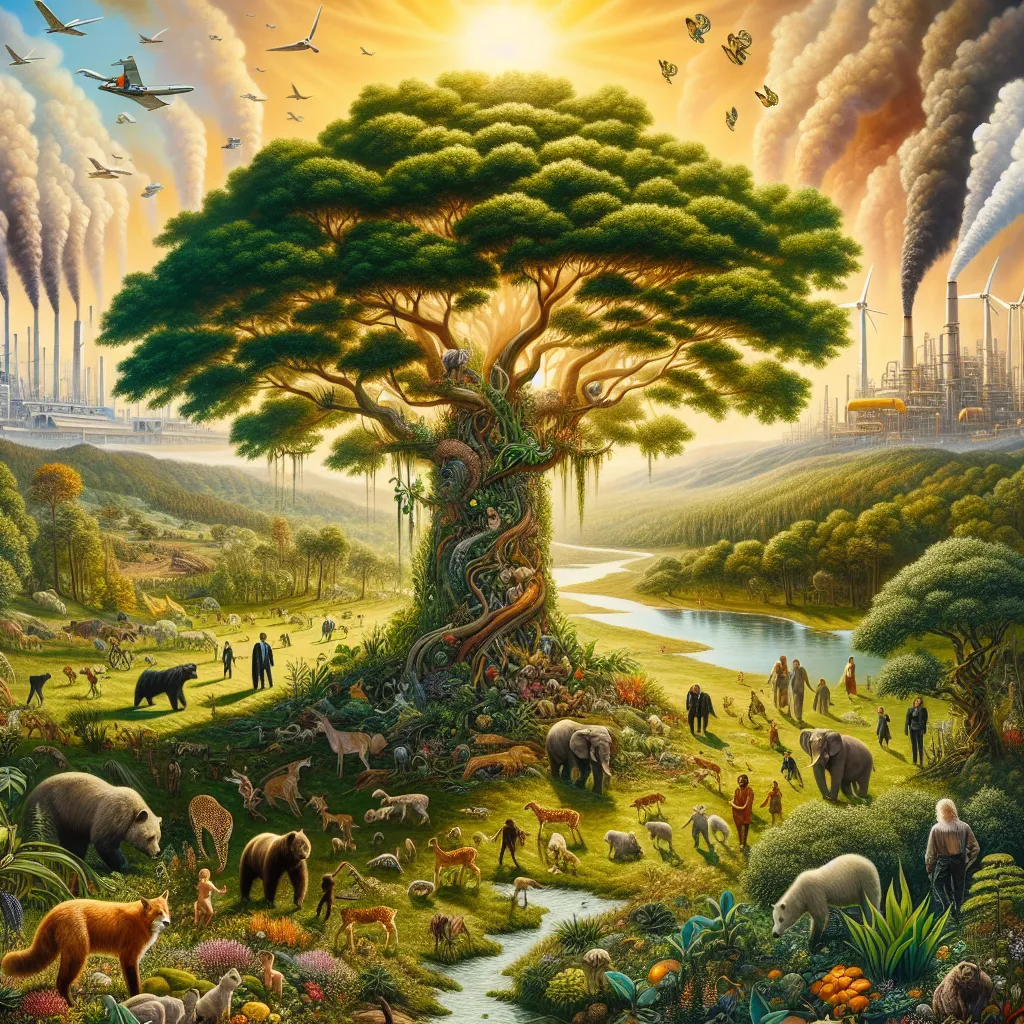
Carbon dioxide, or CO2, is the big player in climate change. But how does CO2 find its way into our atmosphere? It all starts with the sun. The sun bombards the Earth’s surface with more energy in just an hour than the entire planet uses in a year. Plants, acting like green magicians, absorb this sunlight and suck in CO2 from the air. They then mix them up to create stored energy in the form of carbohydrates, like glucose and sucrose, through photosynthesis.
When animals, including us humans, munch on these plants, our bodies convert this food back into energy. This process has a byproduct—greenhouse gases. If plants kick the bucket and decompose, tiny microorganisms break them down, releasing greenhouse gases once again. Essentially, energy makes its way from the sun, moves through the food chain, and when carbon-based life forms like plants or animals get trapped underground, they undergo immense pressure and turn into fossil fuels such as oil, coal, or natural gas.
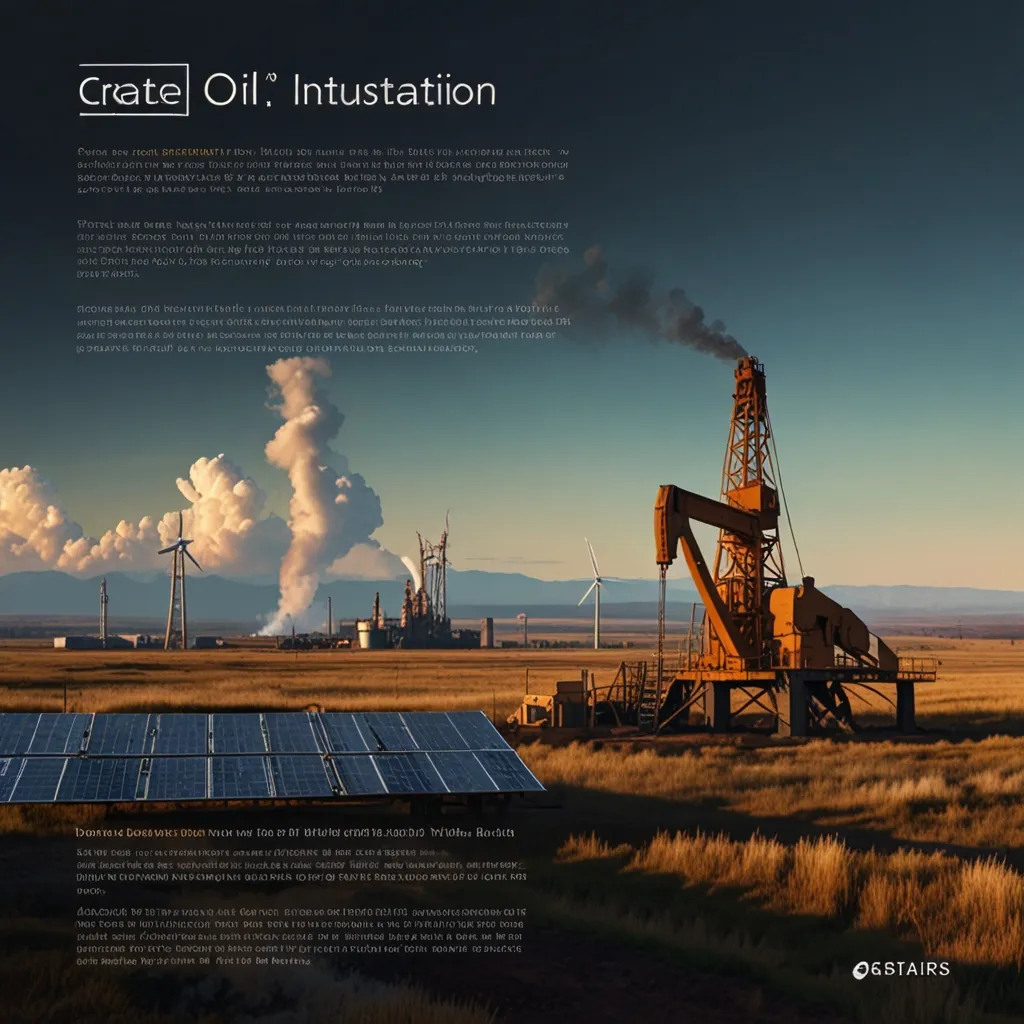
Since the Industrial Revolution, we’ve been yanking those fossil fuels out of the ground and burning them to generate electricity and power engines. Unfortunately, this releases tons of ancient CO2 back into the atmosphere. On top of that, we humans breathe in oxygen and exhale CO2, while trees do the exact opposite. They absorb huge amounts of CO2, helping to balance the cycle. But deforestation is reducing these crucial CO2 absorbers, attacking the cycle from both ends.
Imagine a computer. It can run a few programs at a time. Normally, you’d save and close each document after you’re done to avoid overloading it. Now, imagine you stopped closing your documents. Everything stays open, and your computer slows down, eventually freezing or crashing. That’s pretty much where our environment is headed if we keep overloading the carbon cycle.
So, can we balance things out? Enter technology. Technology, by definition, tackles problems. Sustainable technologies, in particular, produce no negative side effects like CO2, neither now nor in the future. They essentially nullify their own environmental impact. To make this happen, we need to invent more sustainable technologies.
Think of all the cool clean technologies we have now: wind turbines, electric and solar cars, biogas, biofuels, photosynthetic algae, and composting. What do they have in common? They’re all products of human creativity. People innovate. People create. It’s this limitless human potential to dream up new technologies that will halt climate change and rebalance our ecosystem. And that’s something to be optimistic about.