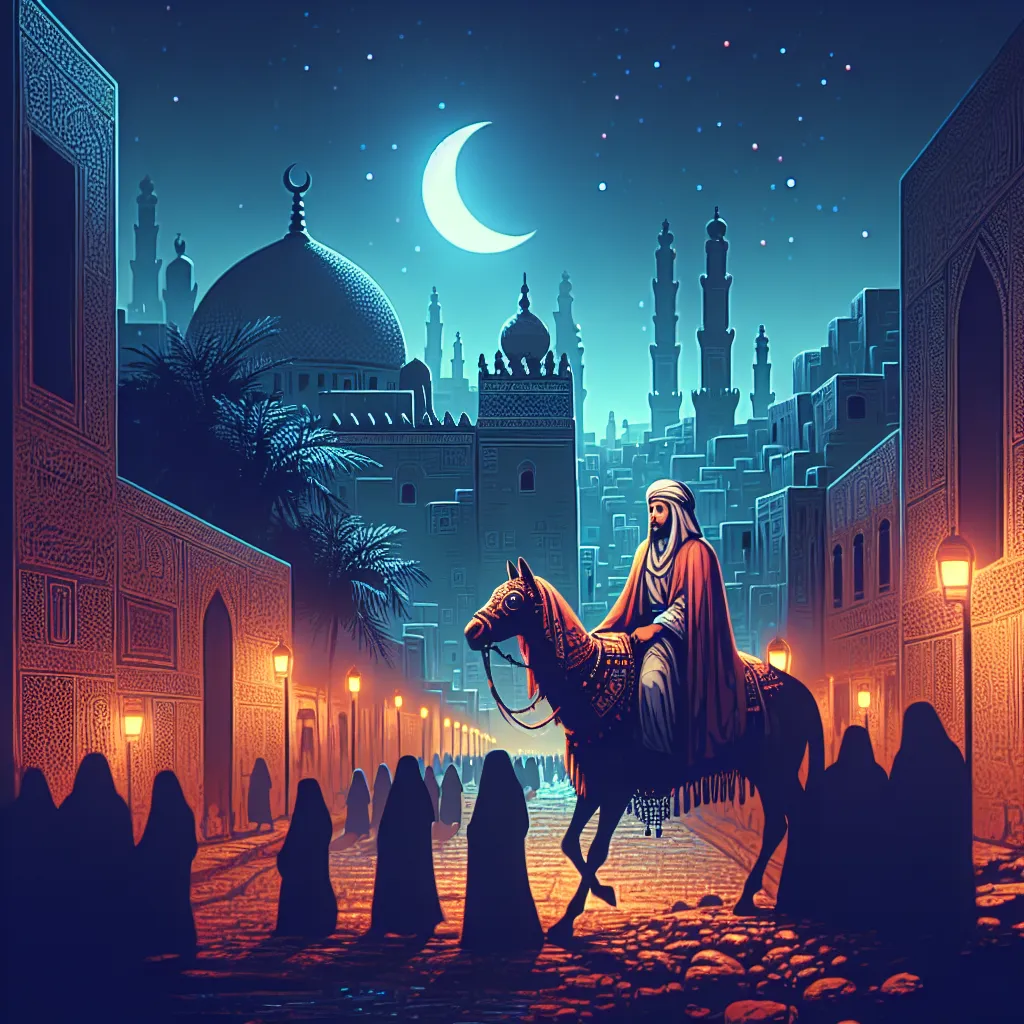
On the night of February 13, 1021, Al Hakim bi-Amr Allah, the 6th Fatimid caliph and 16th Imam of the Ismaili Shia Muslims, mysteriously disappeared. He left his home in Cairo for a nighttime walk but never returned. His vanishing act only intensified his prominent status among the Ismaili Shiites, and he became a divine figure in Druze religion.
The Druze are a secretive and isolated religious minority primarily found in Lebanon and Syria. Their origins are rooted in Ismailism, a branch of Shia Islam. Ismailism traces its lineage from Prophet Muhammad through his daughter Fatima and her husband Ali. The Ismailis split from the Twelver Shia over the succession of the fifth or sixth Imam. They eventually established the Fatimid Empire, which ruled much of North Africa and parts of the Arabian Peninsula.
The Fatimid leaders, including Al Hakim, served dual roles as caliphs and Imams. Al Hakim’s disappearance fed into the Shia concept of occultation—the belief that he went into hiding and would return at the end of time. This idea still resonates with many Shia groups.
After Al Hakim vanished, his successor, Ali Zaheer, reversed many of his policies and rejected the groups that saw Al Hakim as a divine figure. This led to the persecution and isolation of Al Hakim’s followers, the Druze, driving them to regions like the Levant and shaping their unique theology. The Druze ceased missionary work in 1043 and have since remained a closed community.
Druze beliefs are monotheistic and emphasize God’s oneness. They consider Al Hakim a manifestation of God but not an incarnation like Jesus in Christianity or Krishna in Hinduism. Reincarnation and the transmigration of souls are also key aspects of their faith.
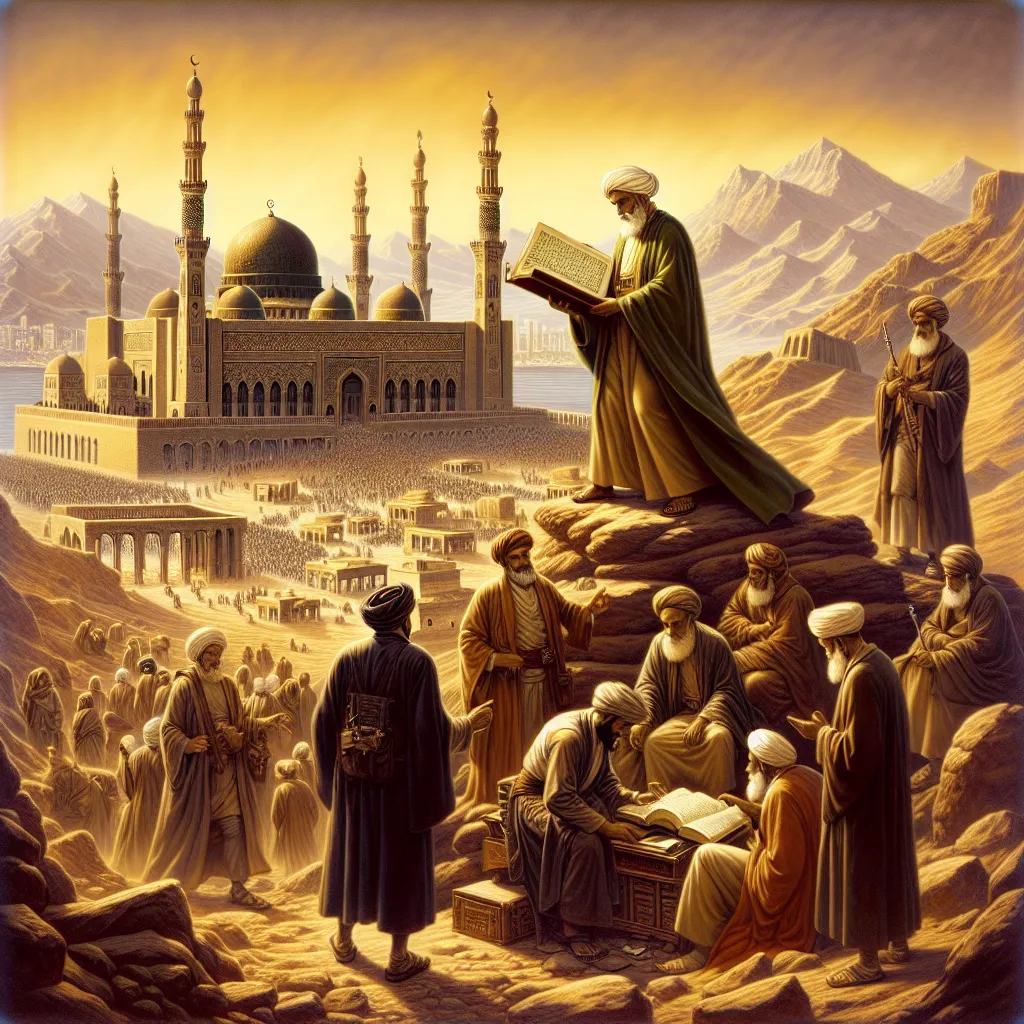
The Druze community is divided between the initiated, who have access to sacred texts, and the uninitiated, who do not. Their primary texts are the “Epistles of Wisdom,” compiled in the 13th century. They also respect the Quran and the Bible but believe these scriptures have been misinterpreted over time.
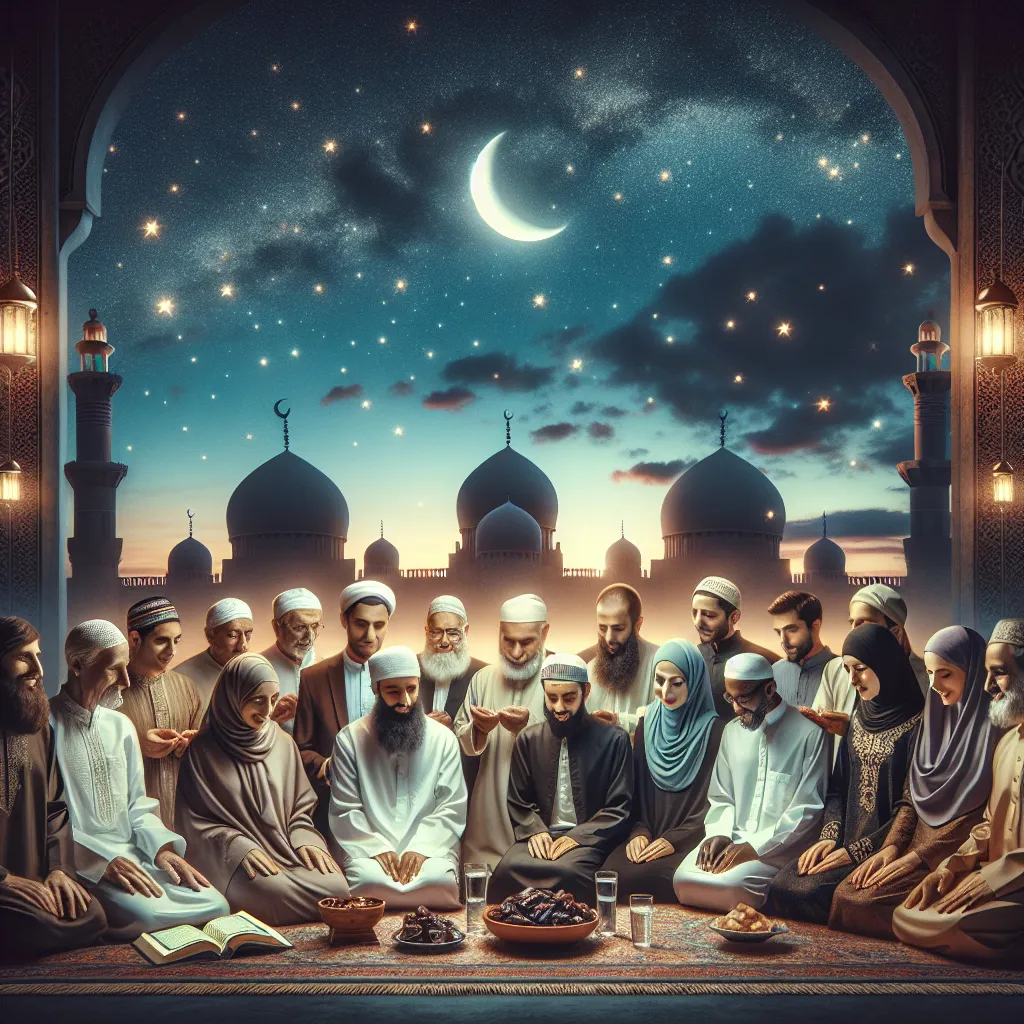
Their religious practices include a weekly gathering in places called khalwas and pilgrimages to holy sites such as the grave of Prophet Shuaib. They follow strict dietary laws, avoiding alcohol and pork, similar to mainstream Islam.
Throughout history, the Druze have faced varying degrees of persecution, often being seen as heretics by other Islamic scholars. However, during certain periods, like under the Ottoman Empire, they enjoyed autonomy and protection.
Today, the Druze population is estimated to be around one million worldwide. Their community remains complex and mysterious, with much of their beliefs and traditions still shrouded in secrecy. This enigmatic nature continues to intrigue scholars and followers alike.
Feel free to dive deeper, and let’s keep the discussion going in the comments.
Enjoyed this eBay story? Share it with your friends and family to spread the word about this e-commerce giant’s journey.