religion

Did Emperor Constantine Really Decide the Bible's Books?

Unveiling the Real Story Behind the Council of Nicaea's Non-Involvement in the Biblical Canon

Did Emperor Constantine Really Decide the Bible's Books?

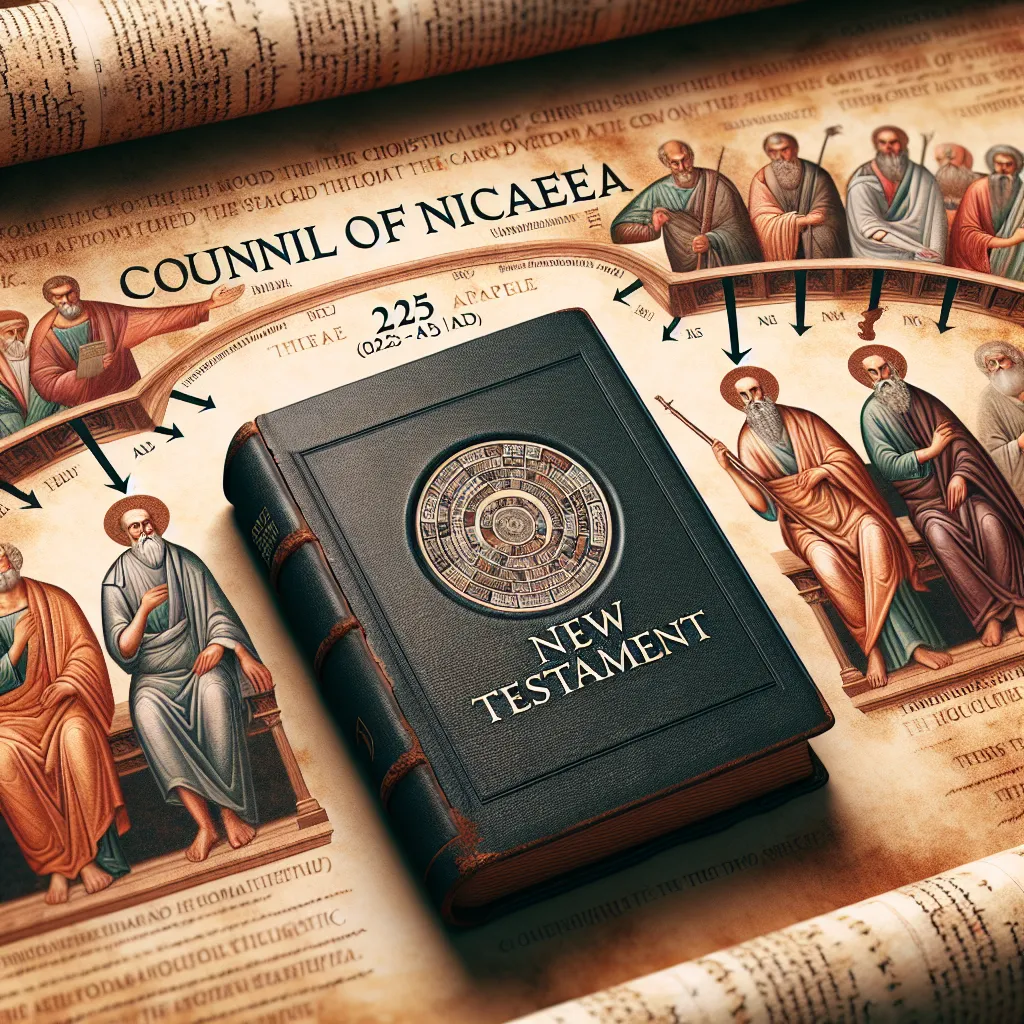
Did you know there’s a widespread belief that the Christian biblical canon was decided at the Council of Nicaea? Some even say Emperor Constantine himself made the call. This is a big myth, though, and it’s surprisingly popular on social media.

The Council of Nicaea actually had nothing to do with the biblical canon. They didn’t discuss it at all in their meetings. The creation of the New Testament canon didn’t just happen in one go; it was a lengthy, evolving process. This development took centuries, even continuing well beyond the 3rd century and the time of the council in 325 AD.

By the time the Council of Nicaea took place, the basic framework of the New Testament was already established. It had naturally come together over the years. So next time you see someone spreading these misconceptions about the Council of Nicaea, you can set the record straight.



Similar Posts
Blog Image
What Biblical Secrets Can Help You Crush Anxiety?

Navigating Life’s Storms with Timeless Biblical Promises

Blog Image
Who Were the Mysterious Scholars Who Challenged Orthodox Thought in Medieval Islam?

Exploring the Intellectual Harmony of the Mysterious Brethren of Purity in Abbasid Era

Blog Image
What Mysteries Lie Behind Salafism's Influence in Modern Islam?

Peeling the Layers of Salafism: A Journey Through Its Roots, Ideologies, and Modern Influence

Blog Image
What if Judas Wasn't the Bad Guy? Discover the Shocking Revelation

Gospel of Judas: A Twist in the Tale of Christianity

Blog Image
What Can a 14th-Century Critic Teach Us About Mystical Intrigue?

Sufism’s Enigmatic Contrarian: Unearth Ibn Sab'in’s Radical Ideas and Legacy

Blog Image
How Religious Education Models Transform Learning: Ancient Wisdom for Modern Teachers

Discover 6 religious education methods that transform learning from information transfer to personal formation. Explore oral traditions, sacred texts, communal wisdom, and holistic approaches that shape both character and intellect across faiths and cultures.