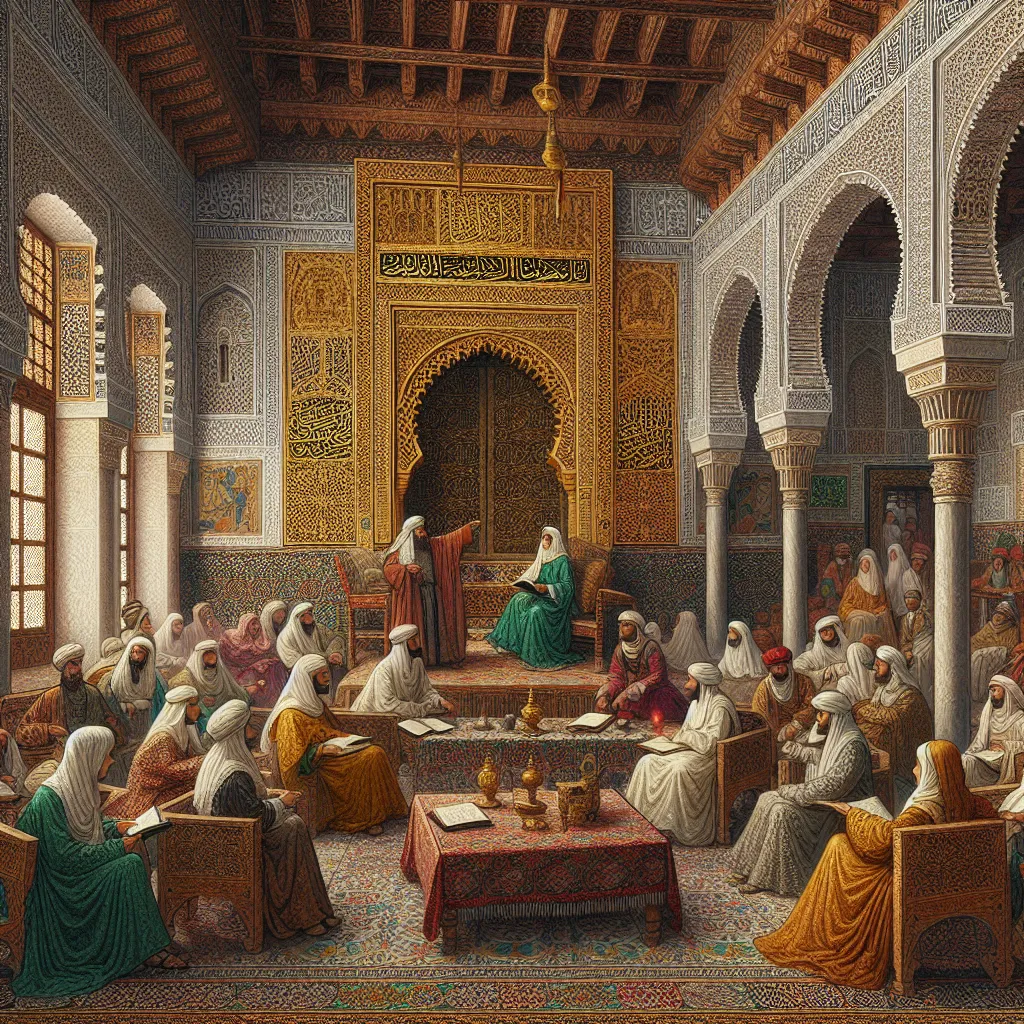
The early history of Islam, particularly the first hundred years, is a fascinating yet murky period. Modern scholars often view this era with a degree of skepticism because much of what we know about the Prophet Muhammad’s life was written down centuries after he lived. The Prophet’s biographies, called ‘sira,’ and the ‘hadith’ literature, which recounts his sayings and actions, were all penned by Muslim authors long after his death, sometimes even two centuries later. This delay has led to questions of bias and reliability.
However, skepticism varies among researchers. Some are completely critical of all hadith, while others accept them as gospel truth. But if we consider these sources unreliable, what are we left with to understand the early movements of Islam? Surprisingly, it’s not entirely hopeless. Two primary sources are often seen as more authentic and contemporary to Muhammad’s life—the Quran itself and the Constitution of Medina.
Fragments of the Quran dating shortly after Muhammad’s death, or even from his lifetime, show a remarkable consistency with today’s text. This helps historians trust it as a somewhat reliable source. The Constitution of Medina is another vital document, likely authored under Muhammad’s directives after his arrival in the city of Medina, formerly known as Yathrib.
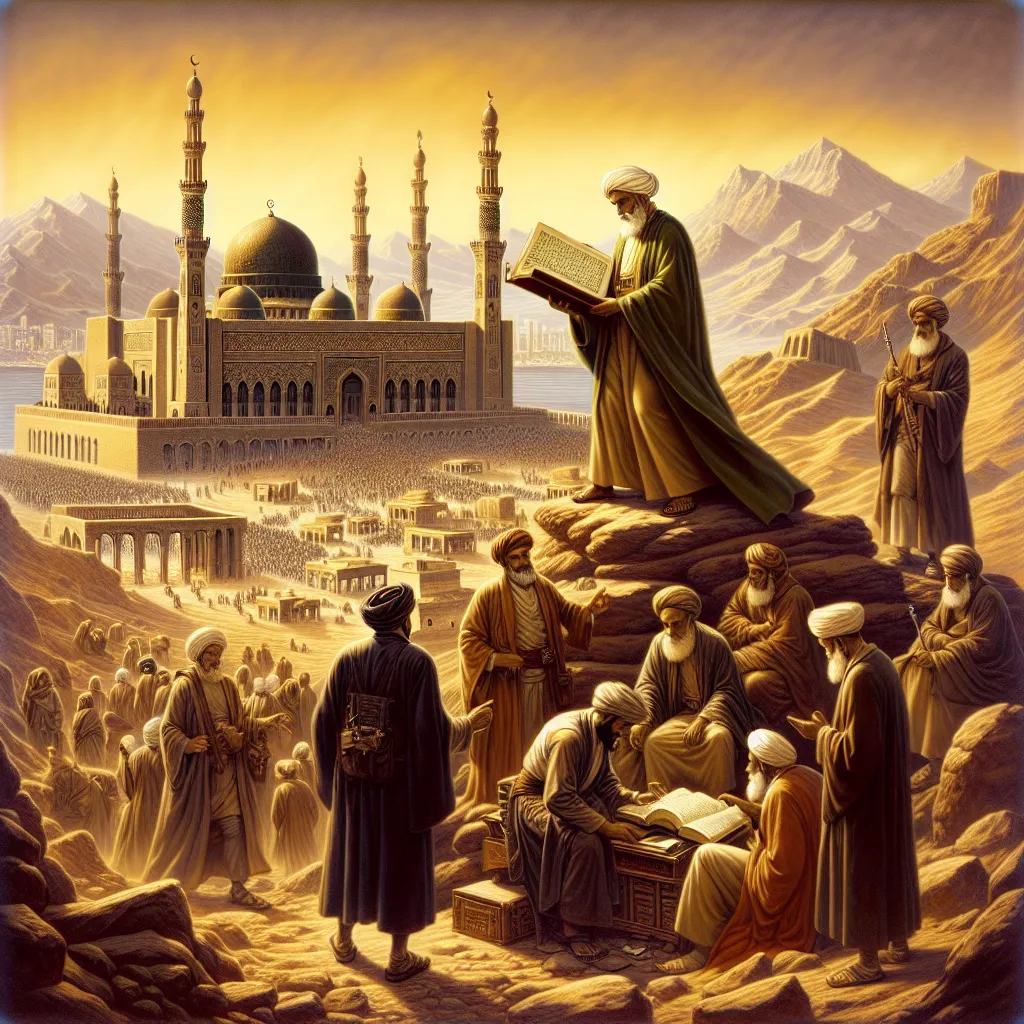
Here’s a bit of background: According to Muslim tradition, Muhammad received his first revelation in 610 while living in Mecca. His message promoting monotheism angered the ruling Quraysh tribe, leading to years of persecution. This oppression peaked in 622 when an attempt was made on his life. Seeking refuge, Muhammad received an invitation from Yathrib’s citizens to mediate tribal conflicts in return for shelter. This migration, known as the Hijra, marks the beginning of the Muslim calendar.
Once in Medina, Muhammad became the de facto political leader of a diverse community. The Constitution of Medina aimed to create a unified political entity out of these varied groups, including Jews, polytheists, and Muhammad’s followers. The document is recognized by many scholars as at least partially authentic, offering a rare glimpse into the early Muslim movement.
The text itself is significant for various reasons. It uses the term ‘Ummah,’ often interpreted today as the global Muslim community, to describe a larger political entity that included different tribes and faiths. This suggests an early Islamic world where religious pluralism was more accepted than often thought. Jews, for example, enjoyed complete equality and shared military responsibilities with Muslims, as long as they accepted Muhammad’s rule.
This inclusive approach makes the Constitution of Medina appear quite liberal for its time, challenging modern preconceptions about early Islam. However, the document isn’t without its biases, particularly against the Quraysh tribe, and it enforces some traditional Arabian customs, such as blood money and tribal commitments.
Assuming its authenticity, the Constitution provides a fascinating snapshot of Muhammad as both a spiritual and astute political leader. He managed to unify a conflict-ridden society under a single banner, creating a resilient community that would later spread across large swaths of the world.
Today, this document is often cited by liberal or progressive Muslims to argue for a more inclusive and tolerant interpretation of Islam. Though much is subject to interpretation and debate, the Constitution of Medina remains an essential read for anyone interested in the origins of Islam.
So, what do you think? Have you read the Constitution of Medina? What’s your take on its authenticity and significance? Let’s keep the conversation going!