How Does Water Shape Every Fiber of Our Being?
Living Liquid: The Essential Rhythm of Hydration
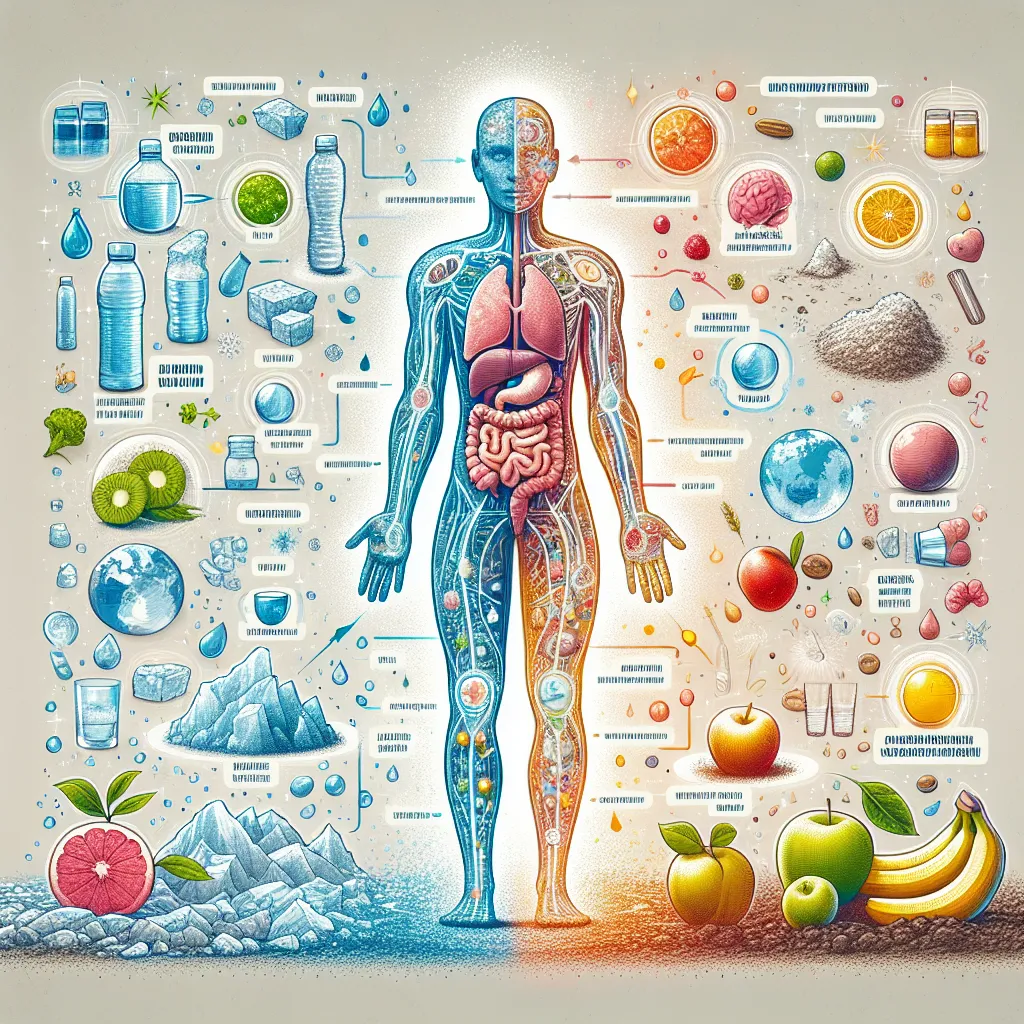
Water is everywhere, from the soil to the ice caps, and even inside our bodies. On average, humans are made up of 55-60% water, but this varies depending on factors like age, sex, and body fat. Babies, for instance, start their lives with about 75% water content but drop to around 65% by their first birthday.
Water’s role in our bodies is pretty crucial. It helps cushion and lubricate our joints, regulate our body temperature, and nourishes important areas like the brain and spinal cord. It’s interesting to note that our brains and hearts are nearly 75% water, similar to a banana. Our lungs, on the other hand, are 83% water, akin to an apple. Even our bones, which seem so dry, contain 31% water.
With water being so essential, why do we need to keep drinking it? Every day, we lose about two to three liters through sweat, urine, bowel movements, and even breathing. To stay healthy, it’s important to replenish this lost fluid. When our bodies sense low water levels, the brain signals the release of antidiuretic hormone. This hormone helps the kidneys retain more water, leading to concentrated, darker urine.
Dehydration can quickly sap your energy, affect your mood, dry out your skin, lower your blood pressure, and impair your cognitive function. A dehydrated brain has to work harder and actually shrinks temporarily. On the flip side, drinking too much water in a short time can lead to over-hydration or hyponatremia. This can dilute essential electrolytes like sodium and cause cells to swell. Severe over-hydration can result in headaches, vomiting, and in rare cases, seizures or death.
For those with access to clean drinking water, staying hydrated is straightforward. While the old guideline said to drink eight glasses a day, newer recommendations suggest daily water intake should be based on individual factors like weight and environment. Men generally need 2.5-3.7 liters per day, while women need about 2-2.7 liters. This amount can vary if you’re very active, older, or in hot conditions.
Water is the best choice for hydration, but other drinks like coffee or tea can also help. Plus, foods such as strawberries, cucumbers, and broccoli, which are over 90% water, contribute to your daily intake and supply valuable nutrients.
Maintaining good hydration has various long-term benefits. It can lower the risk of stroke, help manage diabetes, and potentially reduce the risk of certain cancers. So, keep an eye on your water intake—it makes a big difference in how you feel, think, and function every day.